UCLA Arts Newsletter
January 23, 2020
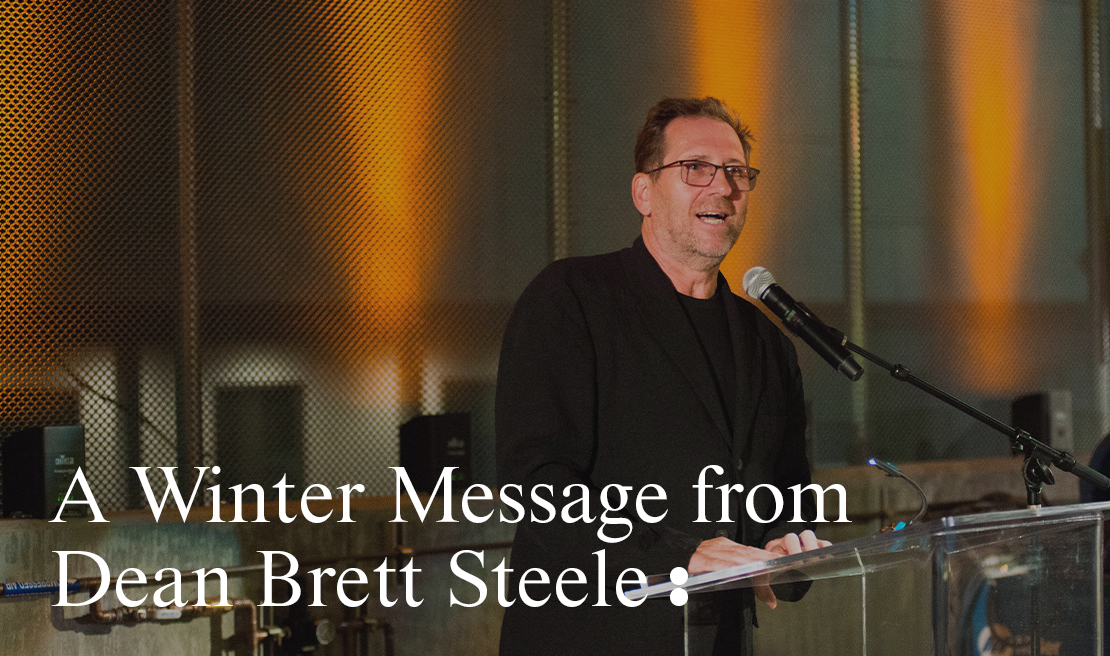
Greetings and best wishes to all as we begin a new year and a new decade.
For UCLA, 2020 marks the beginning of a new century. Much of the work of the past several years, as a school and as a university, has been about establishing the foundation for this next chapter.
How will we flourish in this new century?

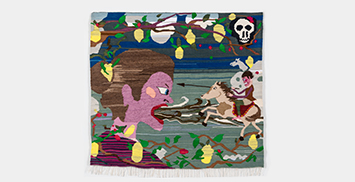
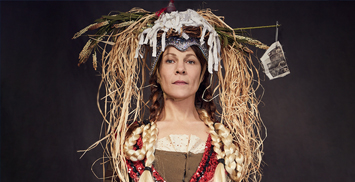
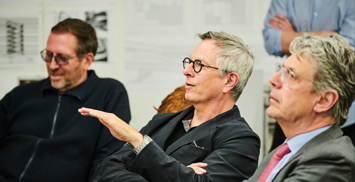
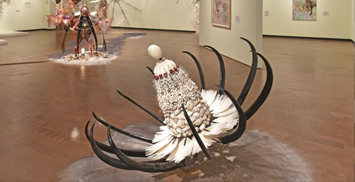
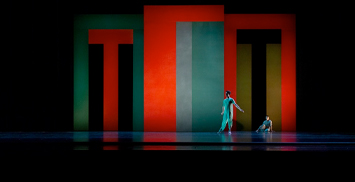
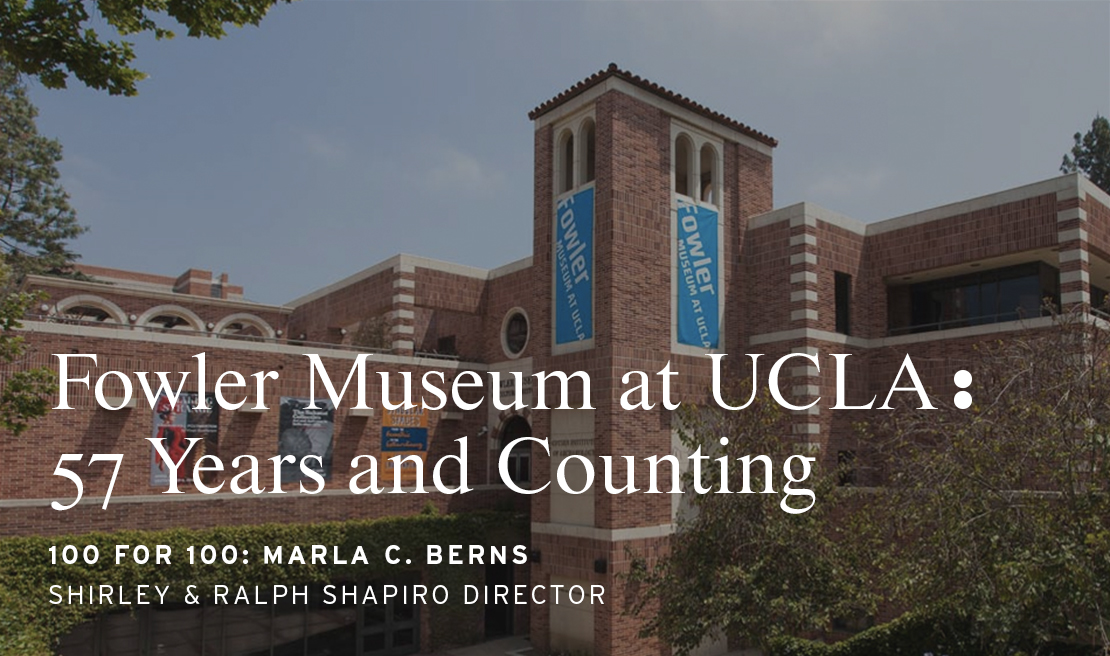
On the occasion of UCLA’s Centennial, UCLA Arts is proud to present 100 for 100—a collection of stories that celebrate the rich history of the arts at UCLA over the past century. Each monthly newsletter throughout the yearlong celebration features a new story by a member of our community that reflects on our past and imagines what’s possible for our future. This month's contribution comes from Marla C. Berns, Shirley & Ralph Shapiro Director of the Fowler Museum at UCLA.
Chancellor Franklin D. Murphy presided over UCLA during one of the most tumultuous decades of its history and that of the world at large—the 1960s. While addressing its reverberations—especially the new liberal consciousness rooted in the Civil Rights and antiwar movements that shook the foundations of many university campuses—Murphy made an indelible mark on UCLA’s and Los Angeles’s cultural landscape. He established what is now called the Franklin D. Murphy Sculpture Garden (1967), helped create the new Los Angeles Music Center (1964) and the Los Angeles County Museum of Art (1965), and founded a new campus museum, originally called the Laboratory of Ethnic Arts and Technology (1963). The museum’s creation and focus on the arts and material cultures of Africa, Asia, the Pacific, and the indigenous Americas were tied to Murphy’s vision of an internationally-oriented, interdisciplinary institution responsive to national liberation movements around the world. It coincided with new centers of study at UCLA—Latin American, Near Eastern, European, and African—as well as Ethnic Studies Centers reflecting Los Angeles’ growing diversification. The remarkable legacy of Murphy’s brief tenure (1960-68) is memorialized in the naming of UCLA’s administrative hub, Murphy Hall, and the art-filled garden sanctuary on north campus. Less well known is his imprint on the 57-year history of the Fowler Museum at UCLA.
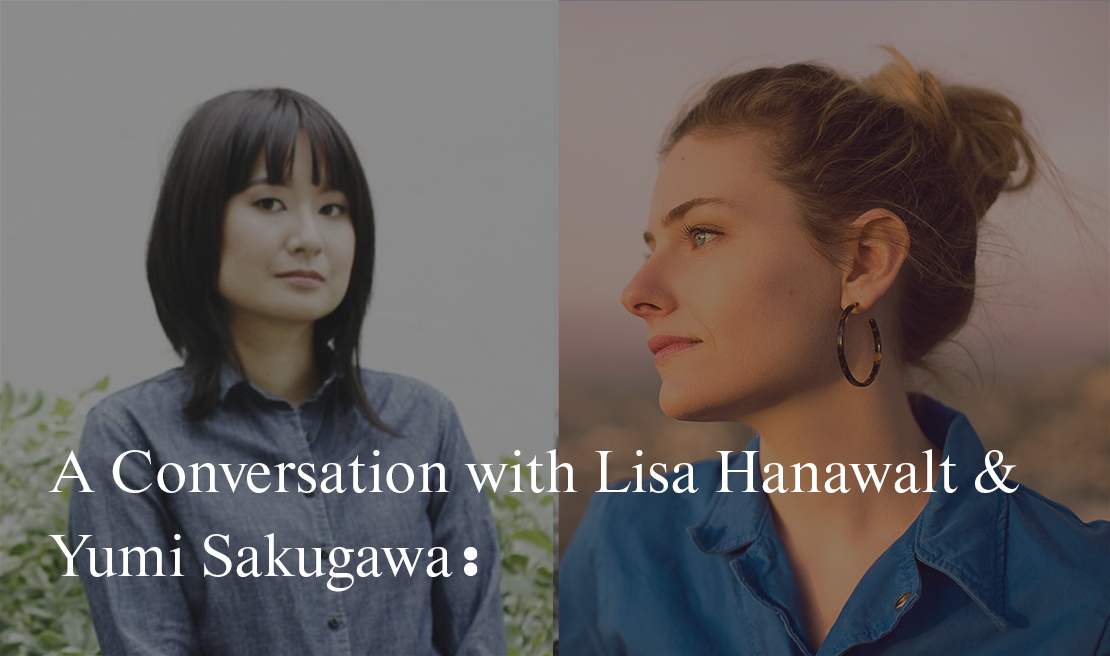
While Lisa Hanawalt ’06 and Yumi Sakugawa ’07 were students in the UCLA Department of Art at the same time, they only met when they became internet friends and shared a literary agency years later.
Last week, Lisa (artist, writer, and creator of Tuca & Bertie and production designer/producer of award-winning Bojack Horseman) and Yumi (artist, writer, and author of I Think I Am In Friend-Love With You and Your Illustrated Guide To Becoming One With The Universe) had a conversation with UCLA Arts about their creative practices, the importance of community, their art school experiences, and what lies ahead for them in 2020.
UCLA Arts: It’s the first month of a new decade, a time of year when a lot of people are setting intentions and goals. What guides your creative practices? How do you set intentions for your work or decide what to work on next?
Yumi: I always want to explore something that is scary for me through my work. With a lot of my creative projects, I'm working through healing some aspect of myself. I'm always thinking about how a creative project can be an exploration of something I'm feeling within myself as well a conversation with the readers and audiences who are going to be interfacing with the work.
Lisa: Do I do that? I’m not sure I’m so structured with my intentions. But yeah, I’m usually seeking out projects that explore something vulnerable about myself, an interest I have, or something that I haven't quite seen before.
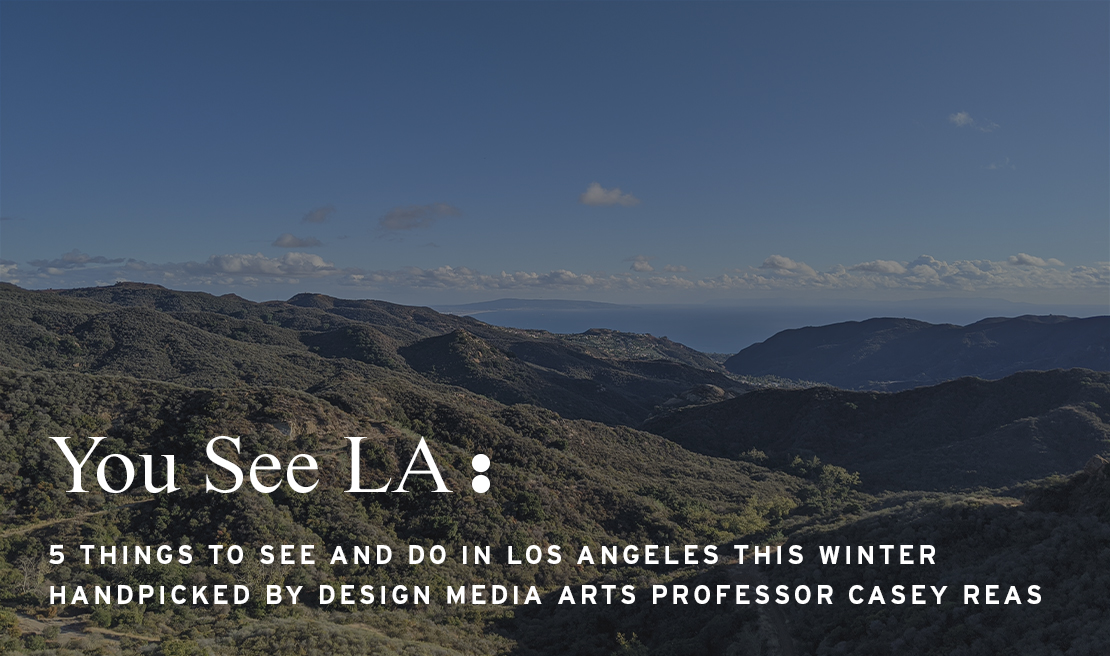
Casey Reas joined the UCLA Department of Design Media Arts in 2003. He is a Los Angeles-based artist and educator whose work ranges from works on paper to urban-scale installations, solo projects in studio to collaborations with architects and musicians.
Los Angeles can be hot and dusty, but winter is crisp, clear, and often wet. It’s the best time of year to hike and explore the mountains that surround us. In the UCLA Arts Conditional Studio, we’ve started to go on hikes to get out away from our computers and to encourage ideas to flow more organically. For me, the best way to explore new ideas is to get out of the studio and away of the sprawl. This list of winter activities spans Los Angeles County, and it includes my family’s and students’ favorite hikes and bikes.
5 Hikes and Bikes to Try This Winter
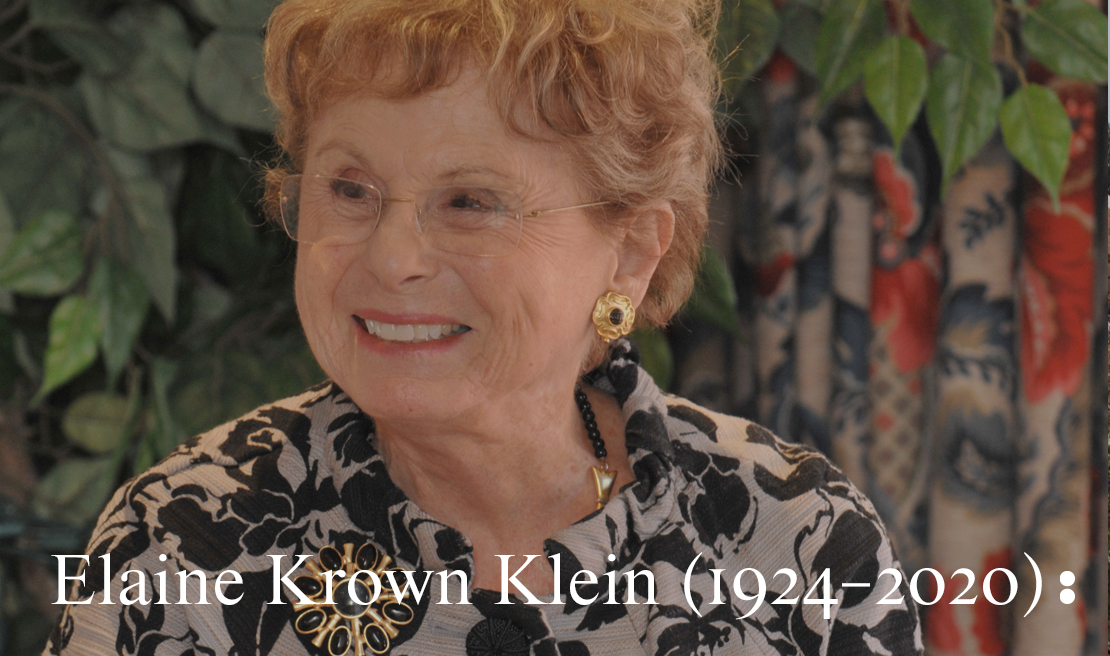
We are sad to share the news that Elaine Adelle Krown Klein, longtime supporter of the arts and music at UCLA passed away on January 5, 2020.
Elaine was born in Los Angeles on February 29, 1924. An only child raised by a single mother who was unable to financially support her own early passion for making art, Elaine attributes her nascent love for practicing art to the wonderful teachers who encouraged her artistic expression as a child and provided her with necessary resources to explore her interest, despite her family’s limited financial means. With her late husband, Leo, Elaine established and successfully ran an accounting firm in West Los Angeles for more than 40 years. While she was not able to afford formal artistic training until much later in life, her formative years instilled in her a profound appreciation for the struggles that young artists encounter and an unyielding desire to encourage their pursuit of their passions, regardless of financial capability.
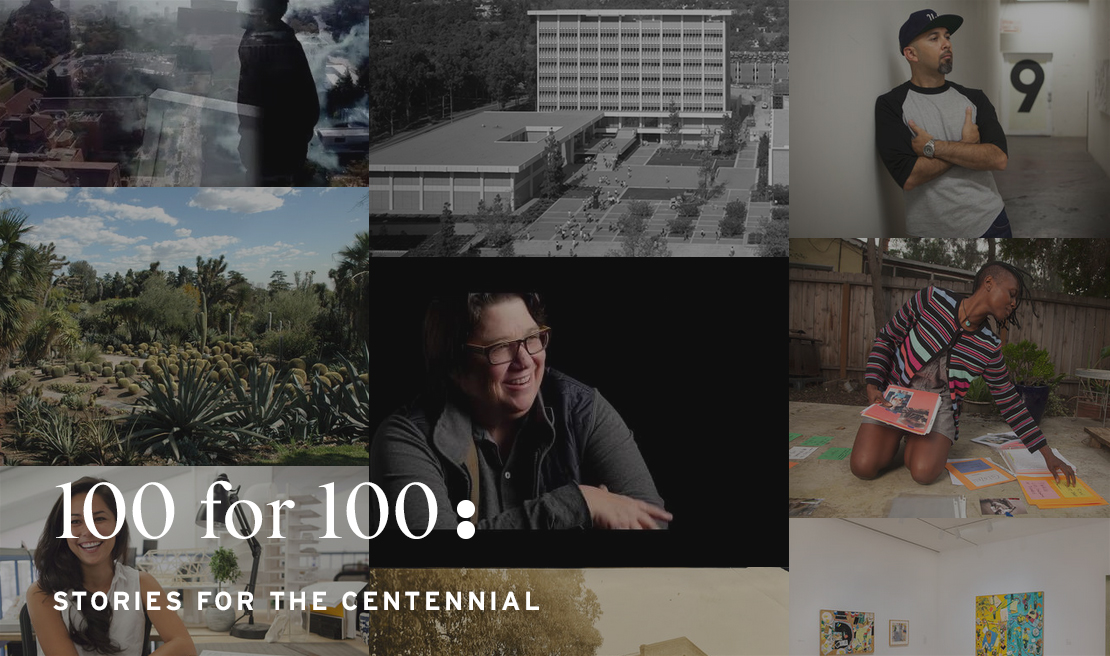
Celebrate UCLA's centennial by sharing your own story that reflects on the institution’s 100-year legacy by looking back at the past or forward into the future.
We invite you to share reflections on your time at UCLA, lessons learned at UCLA and how they have shaped your life and work, moments from UCLA’s history that have inspired or influenced you, and/or hopes for UCLA’s future.
Submissions could take any number of forms from brief comments, to short essays, to photographs, to drawings, to videos, to performances, etc., but should be formatted or documented with the end goal of digital distribution. Submissions can respond to a single moment, work, individual, project, exhibition, performance, or space relating to the arts and architecture at UCLA; a through-line that can be followed over time at the institution; or anything in between. Critique is welcomed – one could explore gaps or missteps throughout our institution’s history and share related hopes for our future.
Announcements
Find out what our faculty are up to:
On any given day, the work of our faculty enlivens museums, galleries, performance venues, lecture halls, public spaces, and more—both at home and abroad. Their creative and scholarly contributions mine the complexities of the human condition, asking essential questions of our time while expanding the potential of creativity and the depth, diversity, and real-world impact of the arts.
Read the latest stories about UCLA Arts students, faculty, and alumni:
From campus news to faculty and alumni activities around the globe the UCLA Arts website is updated daily to aggregate the best news and stories about and written by the School of the Arts and Architecture community. Arts and Architecture community.
Stay engaged. Use #UCLAarts to stay connected.


