Fowler Museum at UCLA: 57 Years and Counting
100 for 100: Marla C. Berns
On the occasion of UCLA’s Centennial, UCLA Arts is proud to present 100 for 100—a collection of stories that celebrate the rich history of the arts at UCLA over the past century. Each monthly newsletter throughout the yearlong celebration will feature a new story by a member of our community that reflects on our past and imagines what’s possible for our future. We invite our community to explore these stories and contribute their own to the collection. This month's contribution comes from Marla C. Berns, Shirley & Ralph Shapiro Director of the Fowler Museum at UCLA.
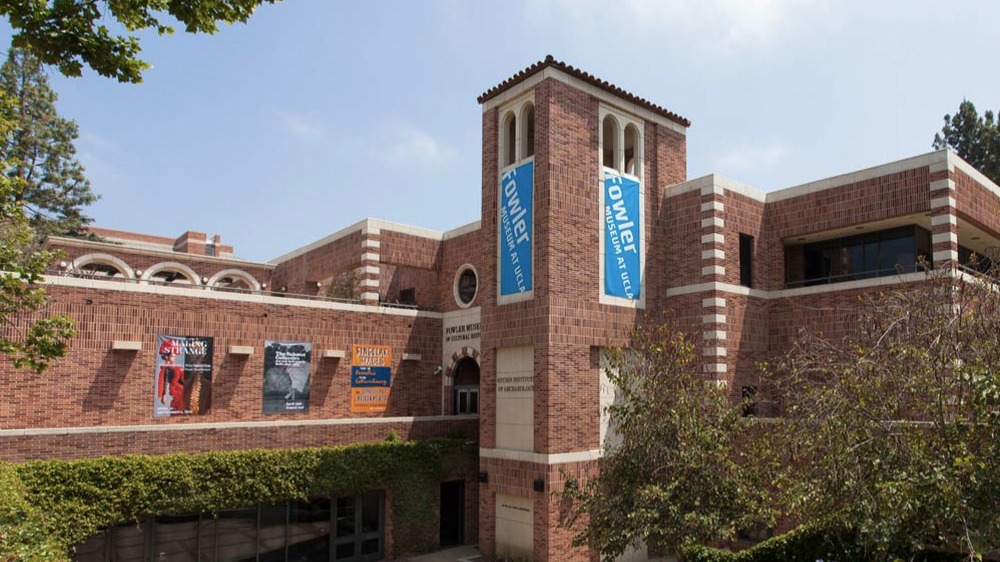
Chancellor Franklin D. Murphy presided over UCLA during one of the most tumultuous decades of its history and that of the world at large—the 1960s. While addressing its reverberations—especially the new liberal consciousness rooted in the Civil Rights and antiwar movements that shook the foundations of many university campuses—Murphy made an indelible mark on UCLA’s and Los Angeles’s cultural landscape. He established what is now called the Franklin D. Murphy Sculpture Garden (1967), helped create the new Los Angeles Music Center (1964) and the Los Angeles County Museum of Art (1965), and founded a new campus museum, originally called the Laboratory of Ethnic Arts and Technology (1963). The museum’s creation and focus on the arts and material cultures of Africa, Asia, the Pacific, and the indigenous Americas were tied to Murphy’s vision of an internationally-oriented, interdisciplinary institution responsive to national liberation movements around the world. It coincided with new centers of study at UCLA—Latin American, Near Eastern, European, and African—as well as Ethnic Studies Centers reflecting Los Angeles’ growing diversification. The remarkable legacy of Murphy’s brief tenure (1960-68) is memorialized in the naming of UCLA’s administrative hub, Murphy Hall, and the art-filled garden sanctuary on north campus. Less well known is his imprint on the 57-year history of the Fowler Museum at UCLA.
Murphy’s new museum did not neatly fit into mid-20th century categories of “art museum” or “anthropology museum.” Its founding staff was given license to chart an independent course and capitalize on the original notion of a “laboratory”—a place of experimental approaches to collecting and presenting world arts and cultures without rigid disciplinary, typological, or interpretive structures. In 1965, Murphy catapulted the museum into the top tier of institutions with global arts and material culture holdings—especially from Africa and the Pacific—by negotiating with characteristic chutzpah a gift of 30,000 objects from the Wellcome Ethnological Collection in London, built by pharmaceutical entrepreneur Sir Henry Wellcome. In short order, UCLA became the repository of a collection whose depth, scope, and history we are still exploring today. By 1975, the museum had organized 22 exhibitions and produced 13 publications, charting a course of high ambition and productivity that has earned it international acclaim and numerous awards.
It took until 1992 for the museum to move from its original home in the basement of Haines Hall into its purpose-built facility, the Fowler Museum of Cultural History. In addition to state-of-the-art storage, the new museum included some 20,000 square feet of exhibition space, classrooms, offices, a Center for the Study of Regional Dress, an auditorium, and beautiful outdoor spaces for events and multi-media programming. Today, through gifts, purchases, and field collecting, the Fowler boasts a permanent collection of around 125,000 objects, for which it bears substantial responsibilities of professional custodianship and documentation. It also maintains an Archaeology Collections Facility on south campus, where more than 5 million artifacts and associated documents are kept. The Fowler’s efforts to comply with guidelines mandated by NAGPRA (Native American Graves and Protection Act) have been exemplary; it has long-term relationships with local Tongva communities and has acknowledged them as traditional caretakers of the land before UCLA encouraged campus units last year to recognize them as such in statements at public events.
The Fowler Museum is celebrated for its ability to combine first-rate scholarship with innovative museological strategies. We are committed to “presenting highly contextualized interpretive exhibitions, publications, and public programming informed by interdisciplinary approaches and perspectives of cultures being represented.” I could name dozens of projects memorable for their originality and adventurous focus on unusual and unexpected artistic genres from across the globe. We have had the advantage of drawing not only on the research and knowledge of talented staff, but also that of colleagues on campus and beyond, as well as members of affiliated communities.
Fig. 1. Striking Iron: The Art of African Blacksmiths, installation view, 2018. Fowler Museum at UCLA. Photographer: Joshua White.
Over the past 12 years, the Fowler has pivoted toward the work of contemporary international artists, while shunning arbitrary divides between the “traditional” and the “contemporary.” Local artists as well as those engaged in international art markets all create within complex frameworks of politics, religion, culture, and social action. The Fowler’s Striking Iron: The Art of African Blacksmiths (on view now in Paris at the Musée du quai Branly – Jacques Chirac) features spectacular forged iron artworks whose significance resides in their practical as well as symbolic meanings and purposes, plus their aesthetic and technical accomplishments (Fig. 1). Make Me a Summary of the World (currently on view at the Fowler) presents elaborate assemblages and paintings of Kolkata-born and New York-based artist Rina Banerjee, whose work is materially virtuosic and conceptually provocative (Fig. 2). Artists from around the world—both named and those whose identities remain unknown—have opened pathways to the uncharted possibilities of human creativity and to conversations that promote transnational understandings. They help us appreciate our shared humanity, acknowledge differences, and respect complex identities.
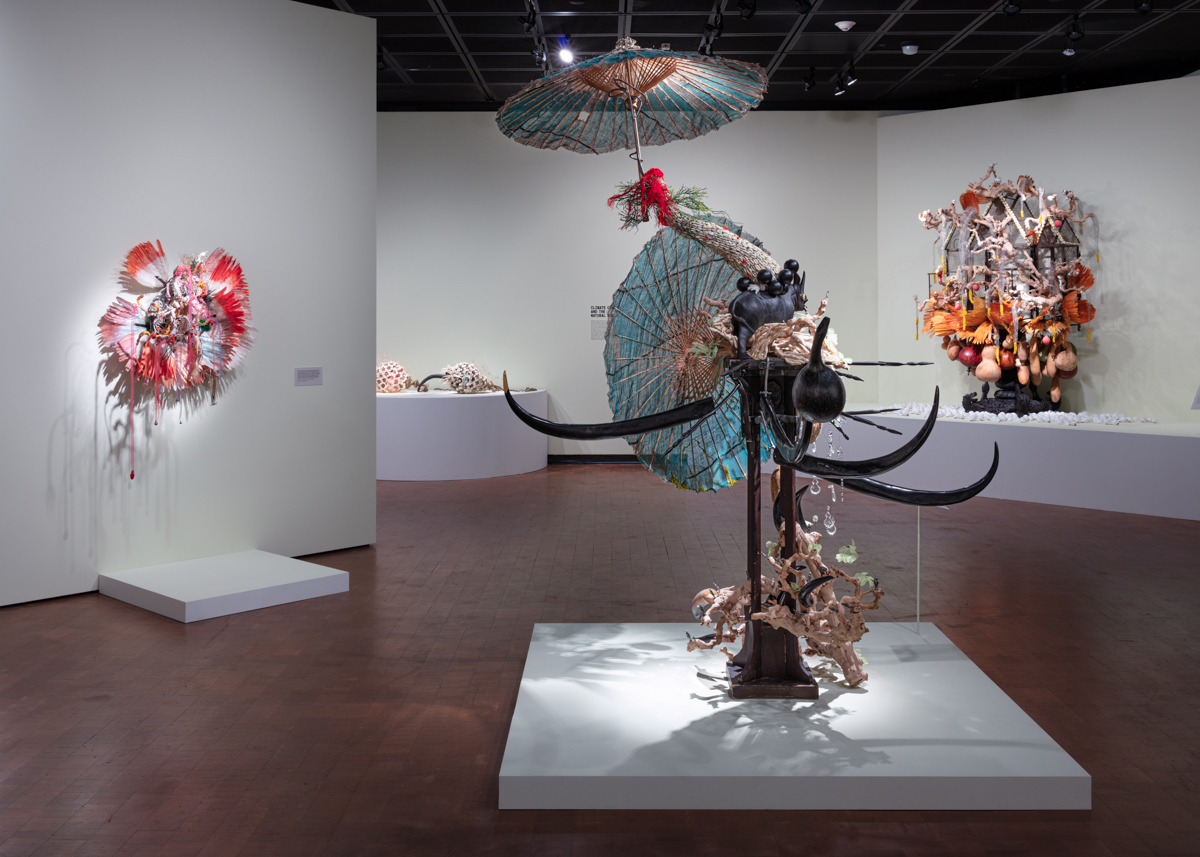
Fig. 2. Rina Banerjee: Make me a Summary of the World, installation view, 2019. Fowler Museum at UCLA. Photographer: Fredrik Nilsen.
At a time when correcting social inequities and promoting diversity have become imperative, the Fowler Museum has an especially vital role to play. It has always championed little-known and underrepresented cultures, artists, and artistic genres. We continue to be ahead of the curve by spotlighting artists before they are mainstreamed (Figs. 3-6). Our curatorial expertise in the historical foundations of contemporary artistic expressions gives the Fowler a significant edge. By showcasing past and present global arts that mirror the diverse heritages of residents in the greater Los Angeles region, we provide a space for different communities here and beyond to see themselves and come together. The late Harold Williams, President and CEO of the Getty Trust, member of the UC Board of Regents, and former chair of the UCLA School of the Arts and Architecture Board of Visitors, liked to say that the Fowler was the “most relevant museum in Los Angeles.”
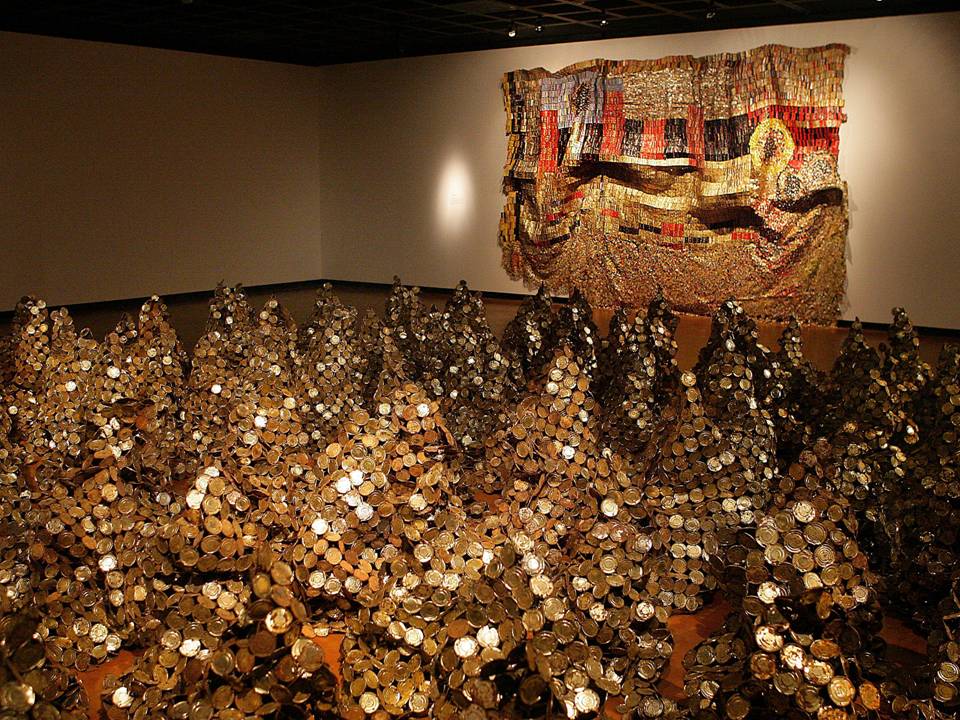
Fig. 3. El Anatsui: Gawu, installation view, 2007. Fowler Museum at UCLA. Photographer: Don Cole.
As the Fowler Museum looks to the future, it continues its legacy as “laboratory.” This spring, we are co-curating with colleagues from the Hammer Museum and the UCLA Library (as well as staff from more than 10 other campus collections) an exhibition of more than 160 strikingly varied artifacts in honor of UCLA’s Centenary to be shown in two galleries at the Fowler. The Map and the Territory: 100 Years of Collecting at UCLA will offer a provocative exploration of unexpected affinities among objects, places, times, and cultures.
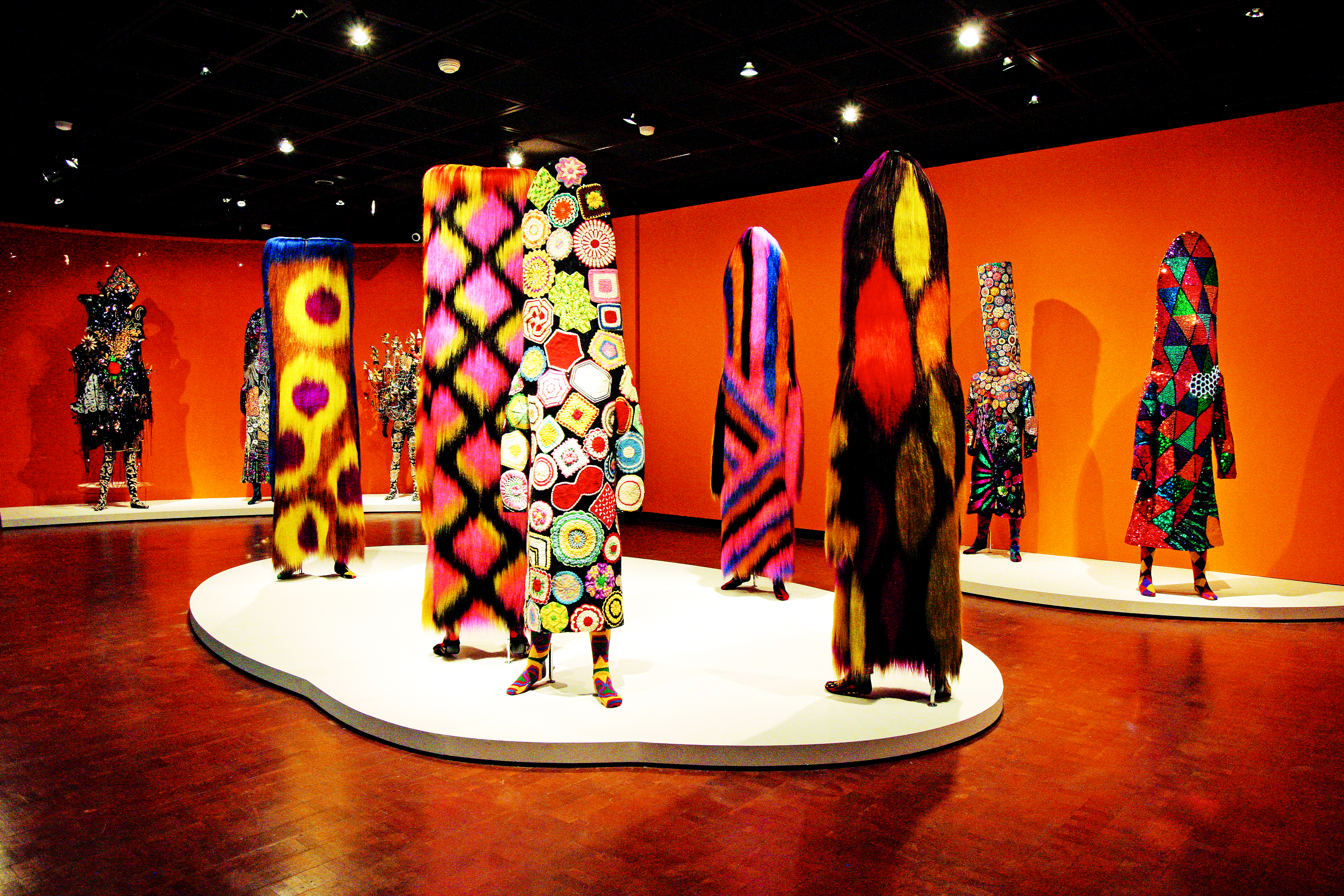
Fig. 4. Nick Cave: Meet Me at the Center of the Earth, installation view, 2010. Fowler Museum at UCLA. Photographer: Don Cole.
Last year, we received a 40-months grant from the Andrew W. Mellon Foundation to conduct collaborative, interdisciplinary research on the Museum’s Wellcome Collection of African art. This project will enable the Fowler to reconstruct detailed histories for hundreds of objects and address complicated questions museums around the world face regarding the histories of their holdings, the lives of the objects within them, and responsibilities toward communities of origin.
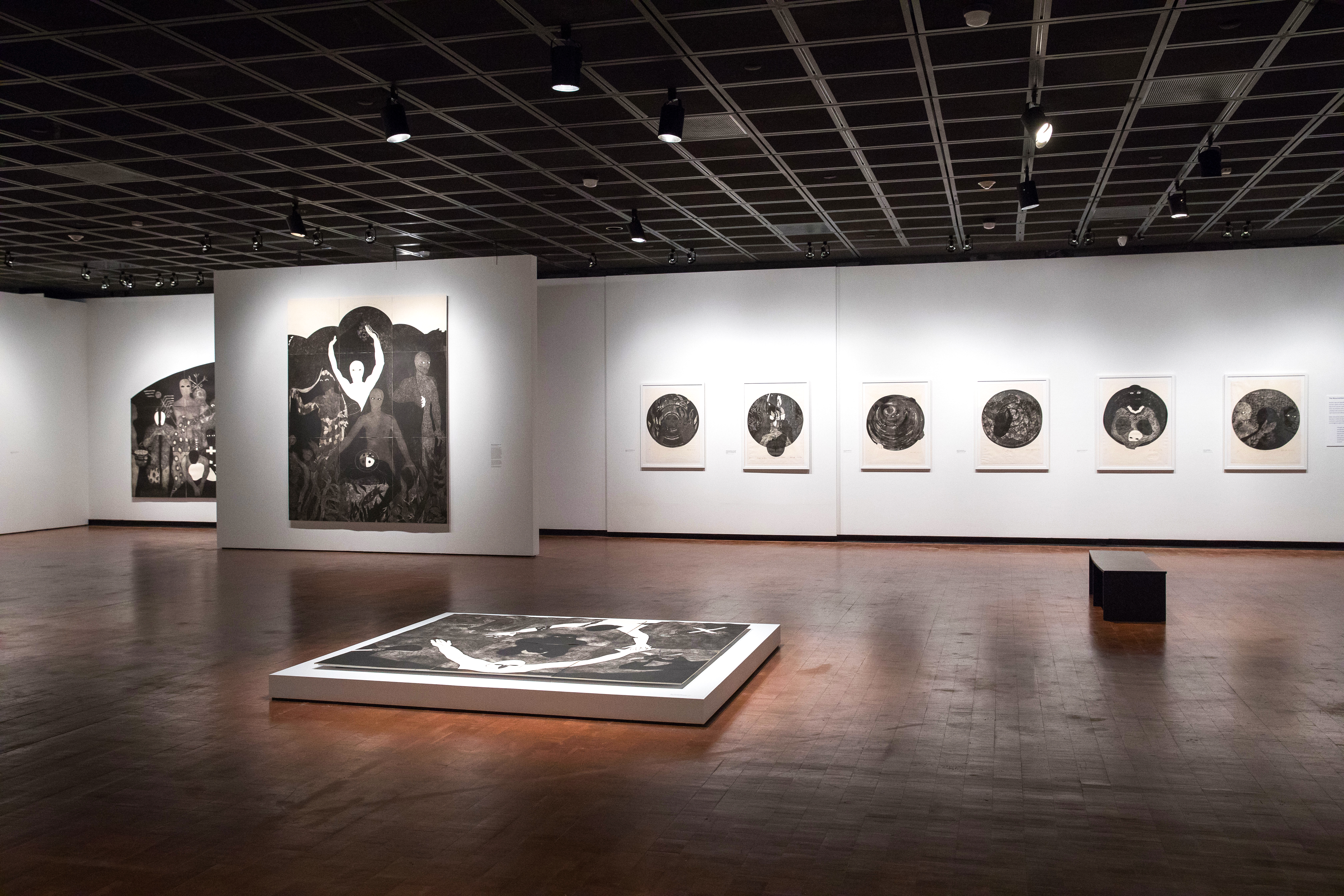
Fig. 5. Nkame: A Retrospective of Cuban Printmaker Belkis Ayón, installation view, 2016. Fowler Museum at UCLA. Photographer: Don Cole.
At the same time, we have launched a second initiative, funded by the Lilly Endowment, to engage the topic of lived religion in the 21st century museum. Our goal is to reach out to many religious groups in Los Angeles to talk about their ritual and visual expressions of faith, and ways they could be portrayed or discussed within a museum context. This research draws on the Fowler’s pioneering work on the intersections of art and religion, and its extensive collections of objects of worship from around the world. Our overarching goal is to bring the human experience of religion into the museum.
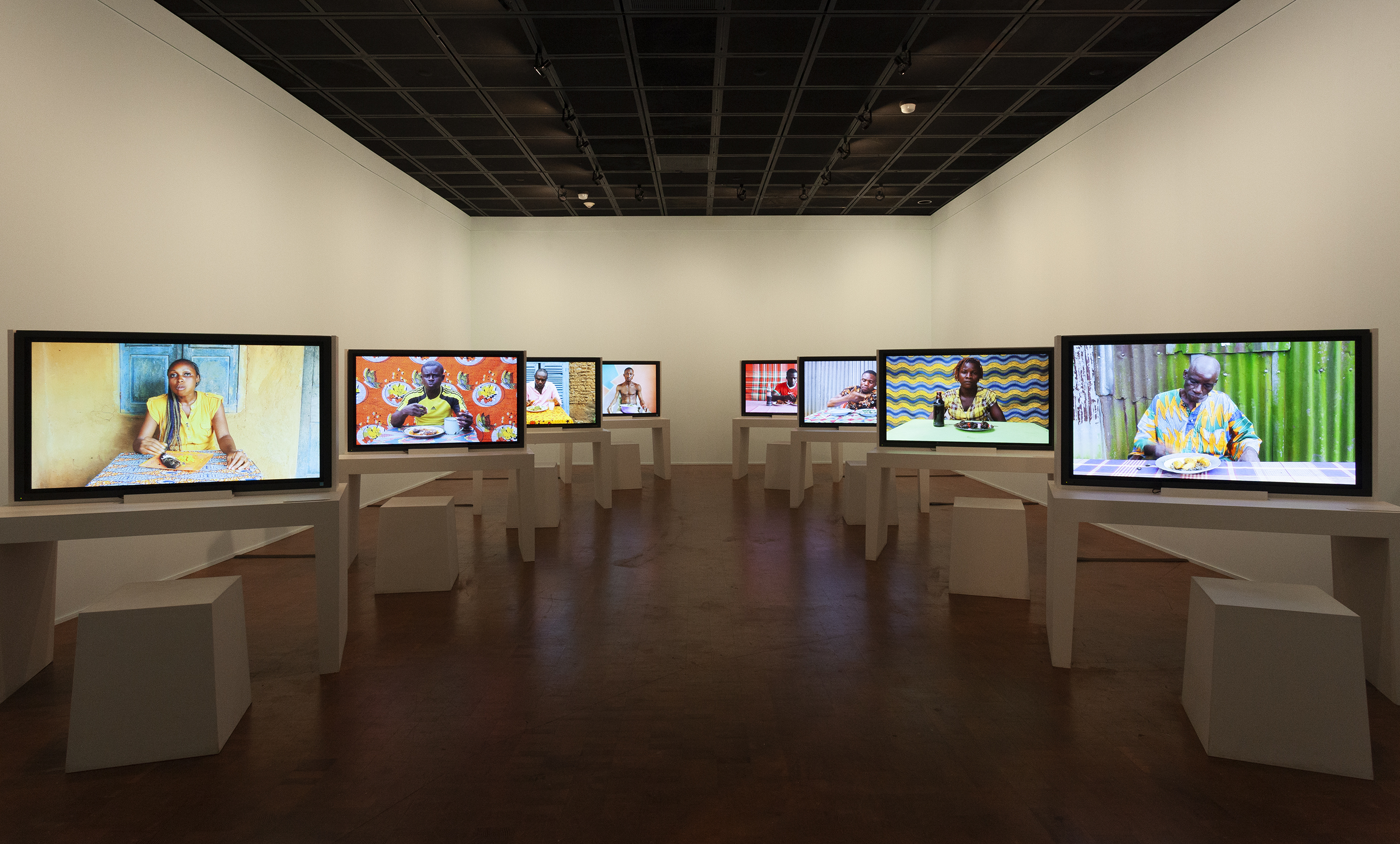
Fig. 6. Zina Saro-Wiwa, Table Manners, Season 1, 2014–16; Table Manners, Season 2, 2018–ongoing, installation view in Inheritance: Recent Video Art from Africa, 2019. Fowler Museum at UCLA. Photographer: Don Cole
This is a crucial and stimulating time of innovation and outreach at the Fowler. We are exploring new modes of education and interpretation, widening our circle of stakeholders, and reinforcing our capacity to serve various publics. With collections that dynamically map onto the demographics of Los Angeles, the Fowler is sharpening its efforts to bridge UCLA’s campus with the city, offer exhibitions and programming that promote pride in LA’s diverse populations, and create a forum for cross-cultural engagement. As we continue to provide rich opportunities to experience global histories and contemporary issues through the visual arts, exciting new projects are on the horizon. We know this can only be accomplished through wide-reaching campus and community partnerships, which we pledge to deepen and expand in the coming years. My thanks go to all the remarkable individuals who have contributed to making the Fowler the stellar institution it is today, from past leadership to amazing staff, to generous patrons and supporters. With Franklin D. Murphy’s prescient mandate as an-ever energizing reminder, we look forward with openness to new possibilities of harnessing the power of art to guide us through the complexities of our times.
For a full history of the Fowler Museum please see Marla C. Berns, World Arts, Local Lives: The Collections of the Fowler Museum at UCLA (Los Angeles: Fowler Museum at UCLA, 2014)
The Map and the Territory: 100 Years of Collecting at UCLA (April 5 – September 27, 2020). A grand opening celebration is scheduled for Saturday April 4, 2020.
Stay engaged. Use #UCLAarts to stay connected.


