CAP UCLA program helps artists stretch their creativity
The Artist Residency Program has provided dozens of artists time and space for the development of ne
UCLA's Center for the Art of Performance (CAP UCLA) Artist Residency Program provides local and national artists creative time and necessary space for the development of new work. CAP UCLA’s position within a university creates a unique environment for these residencies to percolate. The Center provides both an engaged public audience and academic setting. Artists-in-residence have access to the university’s resources, and in turn become a resource for its students.
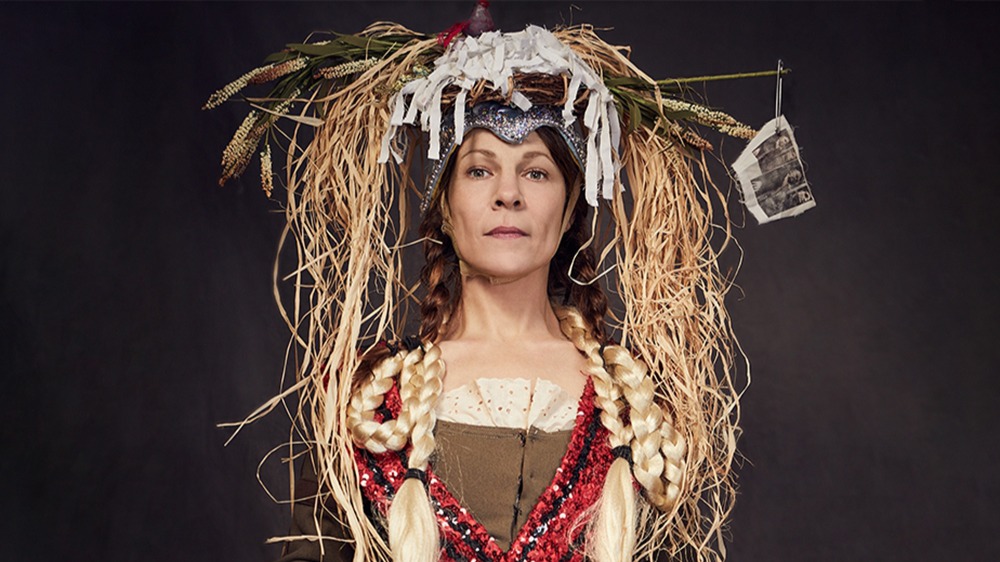
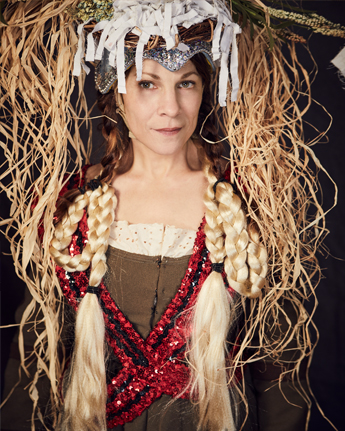
"Suzanne Bocanegra is a renowned artist working in the mediums of painting, costume design, installations and performance. More recently she has ventured into the world of theater with her Artist Lectures, including “Farmhouse/Whorehouse,” which was performed as part of UCLA’s Center for the Art of Performance 2017–2018 season.
Actress Lili Taylor, who starred in visual artist Suzanne Bocanegra’s “Farmhouse/Whorehouse,” which was part artist lecture, part memoir and part cultural essay. Following that well-received performance, among her next projects was a commission from the Metropolitan Museum of Art. Though excited about the high-profile opportunity, Bocanegra was struggling with what she wanted to do.
A conversation with Kristy Edmunds, CAP UCLA’s artistic and executive director, helped Bocanegra figure out at least how to begin answering that question — participate in CAP UCLA’s Artist Residency Program.
“She was listening to me do all this, blah, blah, blah, and she said, ‘OK, I’ll tell you how we’re going to put this together. This is what you need,’” Bocanegra recalled. “Kristy took all the mess that I was and then she put it in a reality about how to proceed to make the piece. “
CAP UCLA’s Artist Residency Program provides local and national artists creative time and necessary space for the development of new work. Exclusive to CAP UCLA is its proximity to a wide variety of campus resources, which allow resident artists to engage not only with CAP UCLA staff but with faculty and sometimes even students in the creation process.
“The artist residency program serves as a vehicle in which CAP UCLA can help students widen their knowledge base and experience,” Edmunds said. “For UCLA staff, the artists help expand teachings beyond the classroom.”
In constructing the new work, which takes as it’s subject the largest tapestry in the Met’s collection, called “Honor,” Bocanegra spent many hours researching topics in contrast or relating to what honor means including crafting an honorably gift in the form of crocheted daisies and how The Monkees were honored as musicians."— Geena Russo, Jan. 6, 2020


This post is an excerpt. Read the full article on the UCLA Newsroom website.
Stay engaged. Use #UCLAarts to stay connected.


