You See LA: Spring 2020
Things to see and do in a time of physical distancing, selected by UCLA Arts faculty
Every quarter, we ask a selected UCLA Arts faculty or staff member to offer five recommendations of things to do in and around Los Angeles. But this is not a typical quarter. The COVID-19 pandemic has upended our lives. Our ability to move freely, to congregate and celebrate art and culture together, is for the moment extremely hindered. So instead, this time we’ve asked several UCLA Arts faculty members to offer suggestions of what to watch, read, listen to or otherwise explore during this time of physical distancing. You can also stream their interviews on the new UCLA Arts podcast “Works In Progress” below each suggestion. We are in this together and the gift of art will keep us moving forward.
Dana Cuff, professor, Architecture and Urban Design
I have two suggestions, and a couple of photos (taken on a recent walk) to back them up.
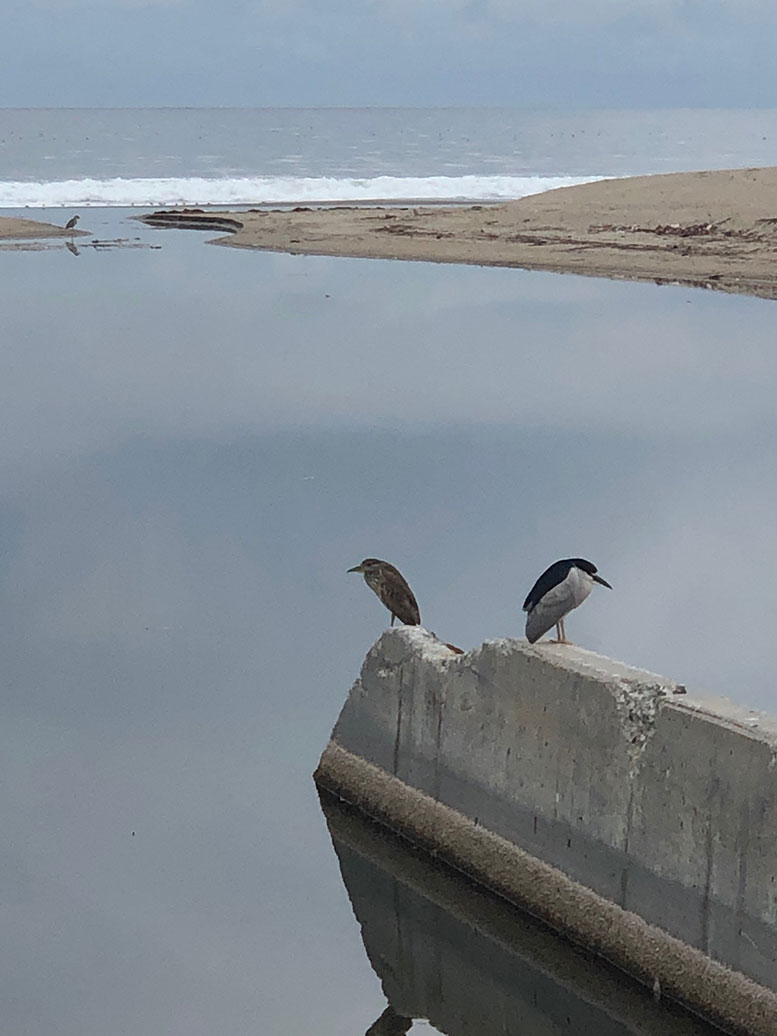
First, take a look around at nature returning to the city. These Black-Crowned Night Herons, like other occasional visitors, have moved closer to us human residents, now that they have more environmental breathing room. There is pleasure in seeing flocks of common sparrows reclaiming our street trees.

Second, and related to the birds, is to appreciate all the public infrastructure that belongs to us residents in the form of streets and sidewalks. You can almost imagine a city, even Los Angeles, where the now-empty streets are refilled with cyclists, pedestrians, strollers, and children instead of automobiles. When we can imagine the world we want to live in, we are able to head in that direction and begin to make it happen.
David Shorter, professor, World Arts and Cultures/Dance
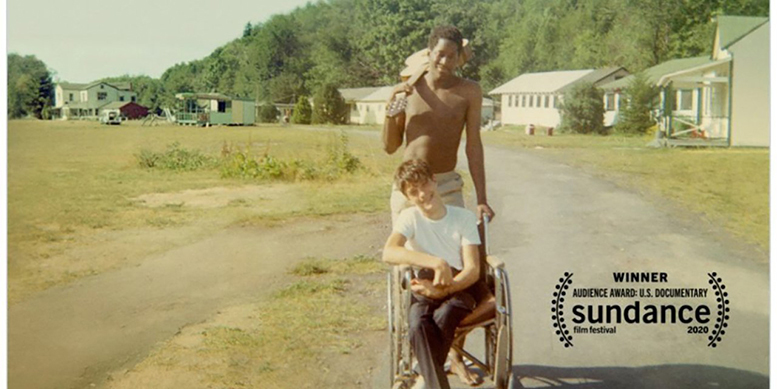
Since we are all facing an uncertain future, I suggest we look to the past and present for our inspirations. For example, take heart in past struggles and successes. Watch Crip Camp on Netflix to see how people struggled and changed a national discourse. And in terms of the present, working in the here and now, we can still actively connect with artists, activists, educators, healers. PeoplesLab is offering free zoom workshops over the next month to learn reflexive, participatory tools to “transform Corona into possibility.”
Catherine Opie, professor, Art
Klaus Biesenbach, the director of MOCA, is starting a virtual MOCA. In fact all of our LA art institutes are making fantastic online content. Switch over to some other cultural indulgence and stream Ozark.
David Gere, professor, World Arts and Cultures/Dance
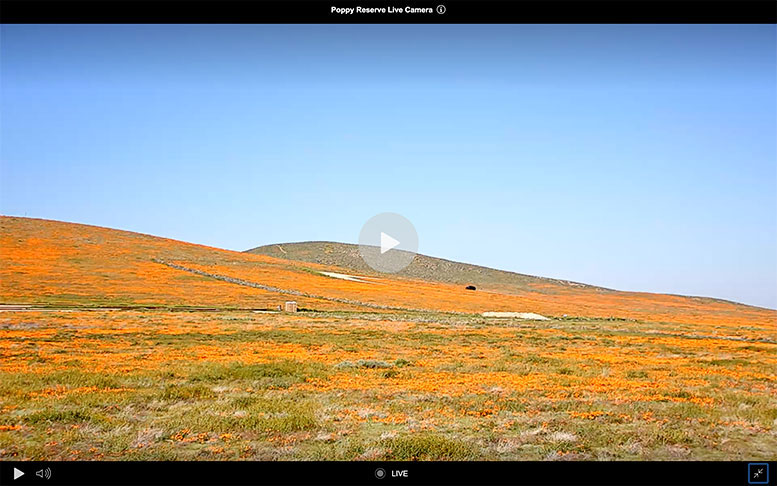
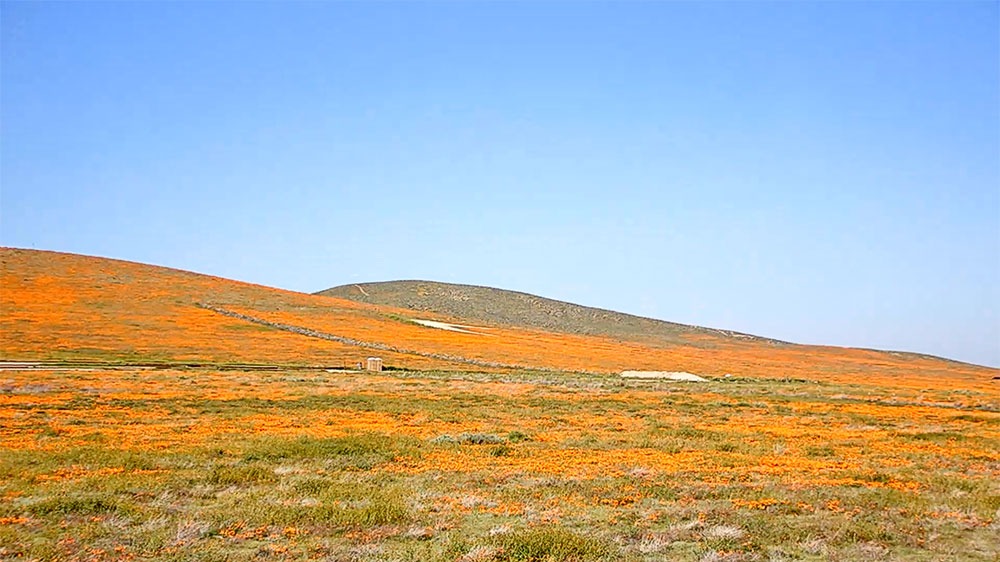
One of my family’s favorite traditions is the annual car trip to see fields of California poppies in full bloom, especially in the Antelope Valley area. This year, on account of COVID-19, the parks are closed, but you can still see a live expanse of sun-orange poppies on the poppy cam.
Willem Henri Lucas, professor, Design Media Arts
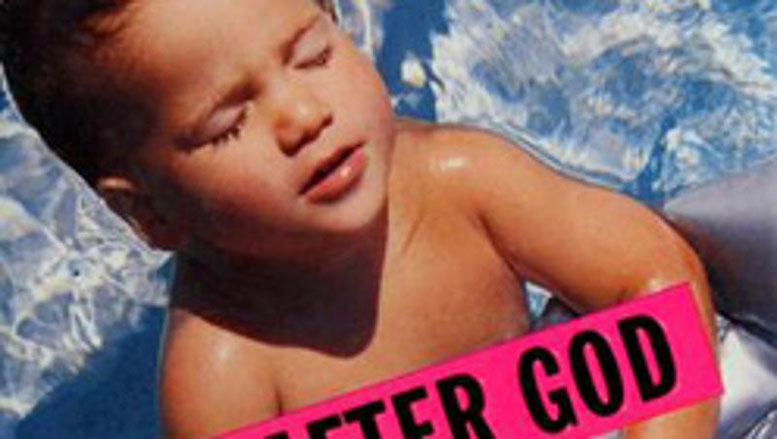
In “Life After God,” Douglas Coupland’s book with short stories published 26 years ago (1994), he describes the end of the world through five “testomonies” written in a very matter-of-fact manner. One takes place in a kitchen, another in a hair salon, a car in gridlock traffic, a shopping mall, and an office.
As a reaction to the pandemic I am re-editing these stories as if they are a play; pulling characters, dialog, props and actions, etc. then mapping all the text as if the size of my paper is a stage. The end result should be 5 folded typographic maps.
Peter Sellars, distinguished professor, World Arts and Cultures/Dance
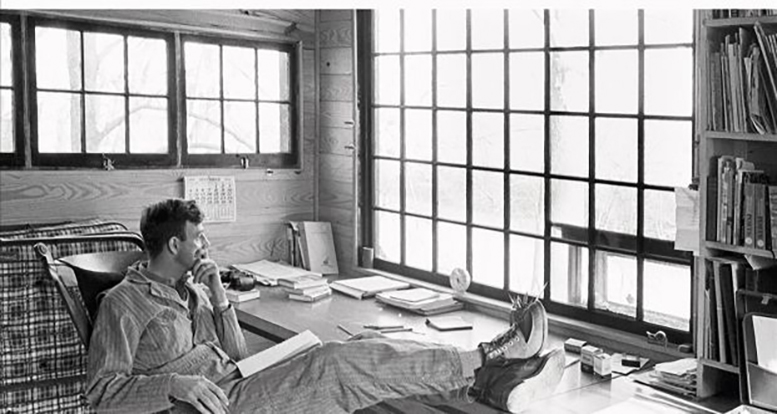
To read: Think Little: Essays by Wendell Berry
Wendell Berry wrote Think Little in 1970 in the hills of Kentucky and it's powerful and stimulating to have a clear-eyed, earth-based plant, animal, and human-centered vision of the path that America did not take. It’s worth retracing our steps.
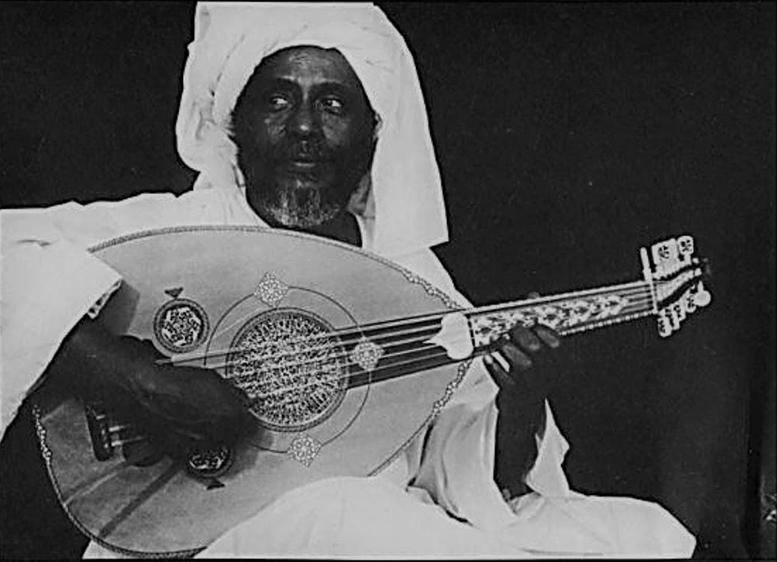
To listen: Hamza El Din, Music of Nubia
Hamza el Din picked up the oud in the early ‘60s to protest the building of the Aswan Dam in upper Egypt and the destruction of villages and lifelines, generating a new body of Nubian music of miraculous strength and spiritual equilibrium.
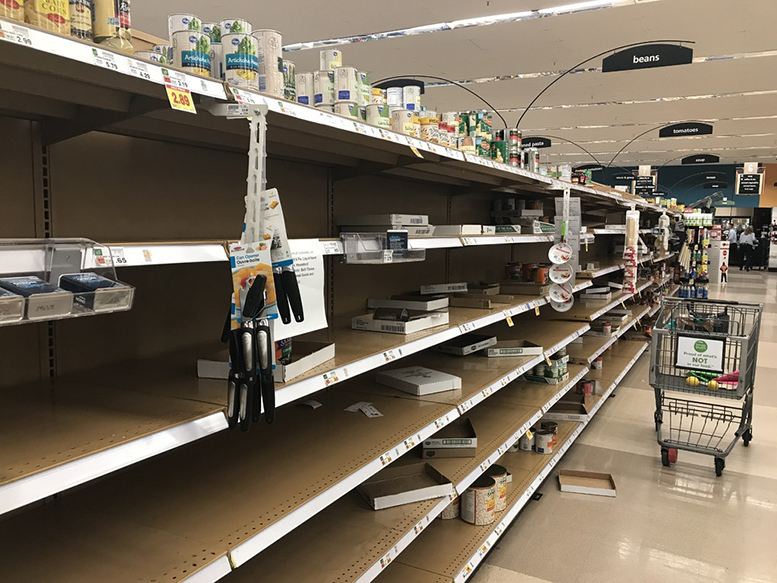
“Bare shelves at the supermarket,” A Journal of the Plague Year: an Archive of CoVid19, uploaded March 13, 2020, https://covid19.omeka.net/items/show/6.
To contribute to: A Journal of the Plague Year: An Archive of COVID19
Please be creative: paint, write, photograph, record, imagine, reflect. Let’s learn from tragedy, get the messages, and emerge not by returning to business as usual but by returning with new, wonderfully articulated glimmers of understanding about the arts of healing and care, and with deep insights that are only possible when your world turns upside down.
Stay engaged. Use #UCLAarts to stay connected.


