You See LA: November 2025
Five Things to See and Do Near L.A., Handpicked by UCLA Arts' Steve Anderson
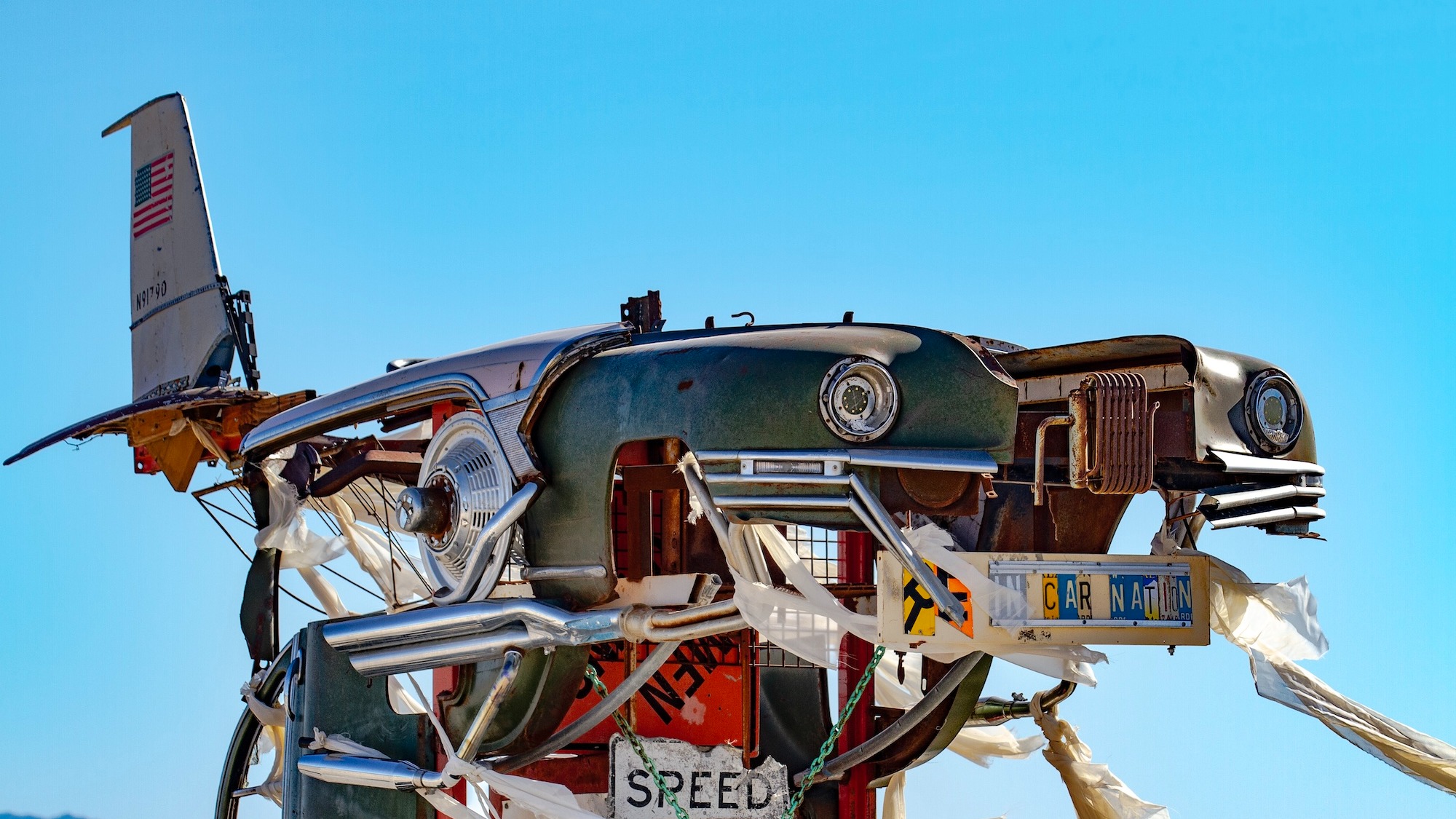
The arts are an essential part of UCLA. They inspire dialogue, encourage creativity, and drive real lasting change, across disciplines, borders, and backgrounds. They also create opportunities for increased engagement with our surrounding communities.
Steve Anderson, UCLA Arts’ associate dean of academic affairs and professor in the Department of Design Media Arts, has curated a diverse selection of things to see and do near Los Angeles.
As a third generation Southern Californian, I found it both reassuring and slightly deflating to discover that literally every site of art and culture in and around Los Angeles that I imagined profiling for this series had already been featured:
Museum of Jurassic Technology? Of course.
Last Bookstore? Obviously.
Self Help Graphics? Done.
Velaslavasay Panorama? Sorry.
Some of these I had thought of as secrets known only to those who had spent decades in and around the city, but it turns out that the You See LA series successfully harvests the collective intelligence of an adventurous and diversely interested arts community. An even more sobering realization emerged from recalling the many places that once defined my relation to the city, but are no longer with us:
Eddie Brandt's Saturday Matinee Video? Gone.
Midnight Special Bookstore? Long gone.
El Pedorrero Muffler Shop? Converted to affordable housing.
Rockaway Records? Appointment only.
Gorky's? Ancient history.
Mr. T's Bowl? Okay, it's still there, but operating under a new name and probably full of hipsters.
Whether longtime residents or recent transplants, I suppose we all have an imaginary relationship to the places we love in our city, conjuring not just cultural experiences but personal memories, which are not particularly useful to express to others. One of my most personally significant locations—Malibu's Reel Inn on Pacific Coast Highway—was destroyed earlier this year in the Palisades fire. The physical structure, which had withstood several previous canyon fires, was finally reduced to ashes, but the interior of the main dining room with its huge aquarium and wood burning fireplace is preserved safely in my memory. Stepping through the heavy wooden doors, I thought I would always be able to glance over and see the corner table where I first told my wife-to-be, as the sunlight glinted off the ocean and across her face, that I was falling in love with her. Not only a reminder of the transience of our environment but also an admonition not to take for granted the continued existence of the places and people we love.
How, then, to fulfill this assignment without revisiting locations already highlighted in the series? My answer is to expand the definition of "L.A." to include the high desert some 2 hours east of the city (4 hours with traffic), particularly the areas in and around Joshua Tree National Park. All right, even then, Alex Ungprateeb Flynn beat me to Andrea Zittel's amazing A-Z West Art Complex, but that's just the start when it comes to the art and culture of the Mojave Desert. And this isn't, after all, a competition.
The Integratron
2477 Belfield Blvd., Landers, Calif.
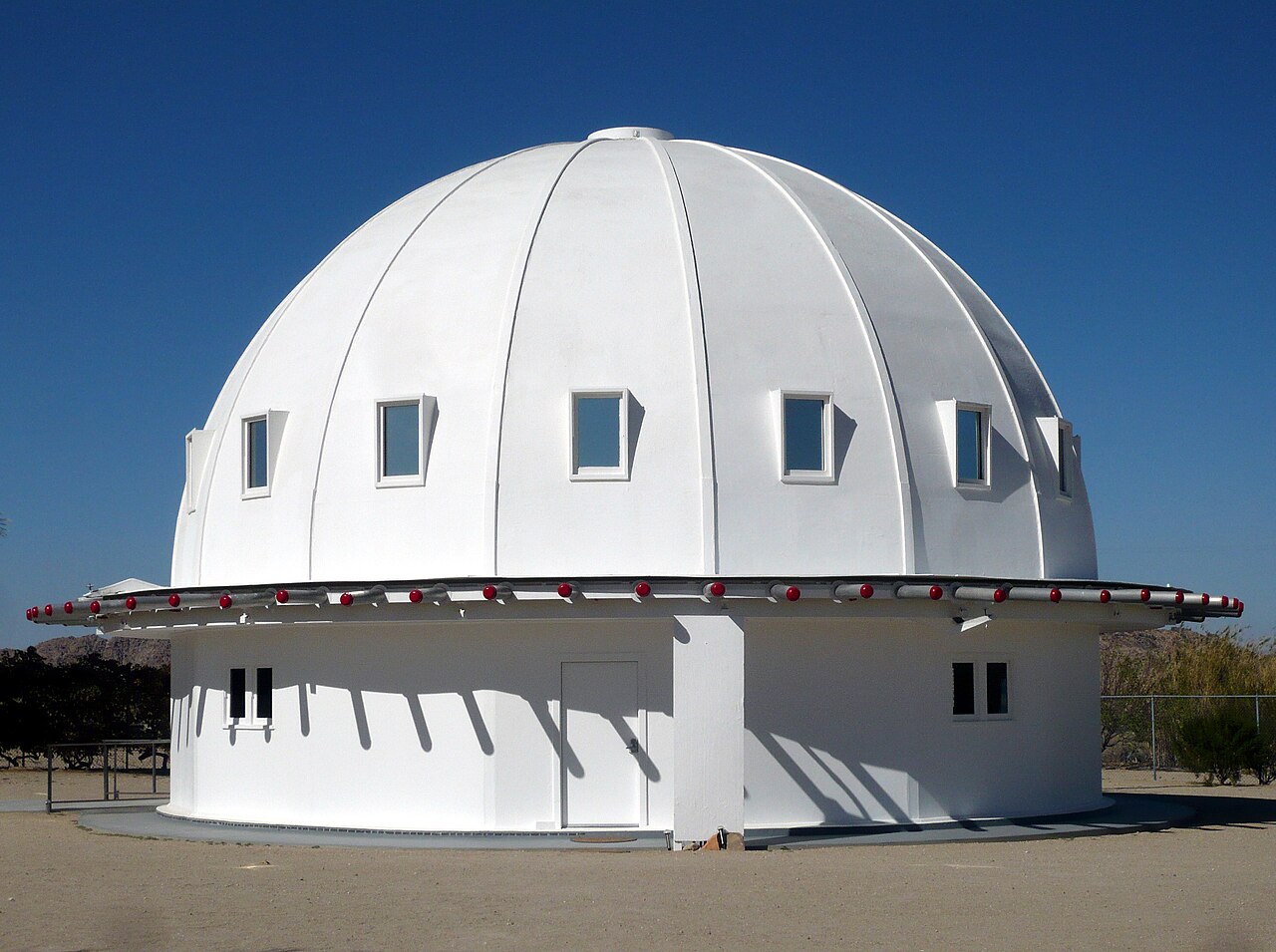
Just north of Joshua Tree in the community of Landers stands a lone, hemispherical-dome structure built in the 1950s by George Van Tassel, an aeronautical engineer and test pilot who held annual “Spacecraft Conventions” to raise funds for the construction. Made entirely of wood and concrete (no metal used in the construction at all) and based on plans he claimed were delivered to him by aliens from the planet Venus, Van Tassel conceived of the Integratron as an "electromagnetic human-cell regenerator, with peripheral capabilities of antigravity and time travel." Today the Integratron offers exquisite, guided sound baths that take advantage of the distinctive acoustical properties of the dome structure. Belief in UFOs and time travel is now optional, but not necessarily uncommon for those who make the pilgrimage to the Integratron.
Noah Purifoy Outdoor Desert Art Museum
62975 Blair Ln., Joshua Tree, Calif.
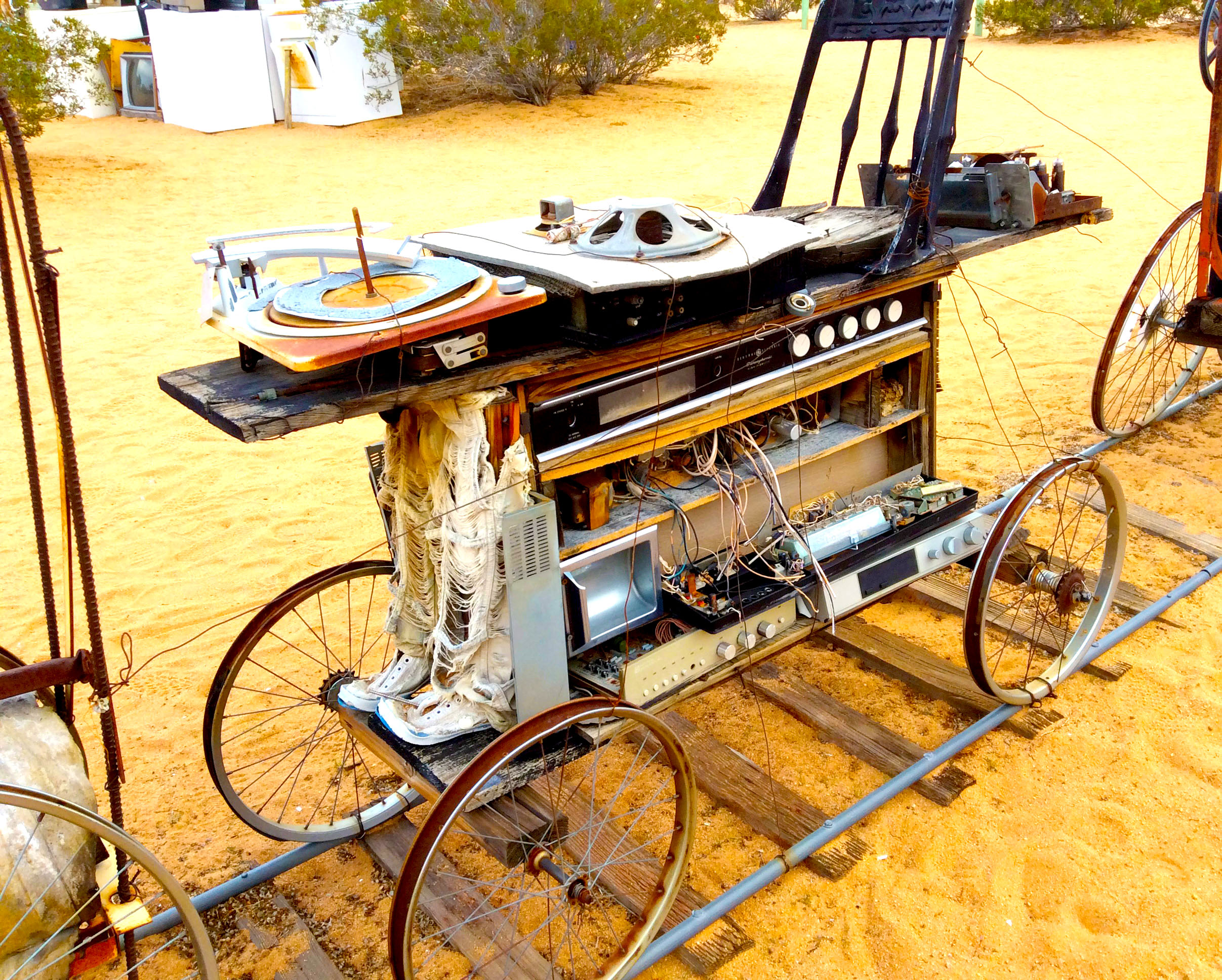
Noah Purifoy was a founding director of the Watts Towers Art Center in the 1960s, but he spent the last 15 years of his life in north Joshua Tree, creating a 10-acre "Desert Art Museum of Assemblage Art" that is now free and open to the public. Purifoy's accumulation of the readymade detritus of consumer culture is truly impressive, both for its sheer scale and eccentricity, as well as how integral decomposition is to his exhibition strategy. On one hand, many of the displays are actively disintegrating due to the punishing climate of the Mojave; on the other hand, the pyramids of VCRs, TV sets, computer monitors, and dot matrix printers (among many other types of cast-offs) offer a grim reminder of the persistence of e-waste and its overproliferation thanks to industries that thrive on principles of planned obsolescence.
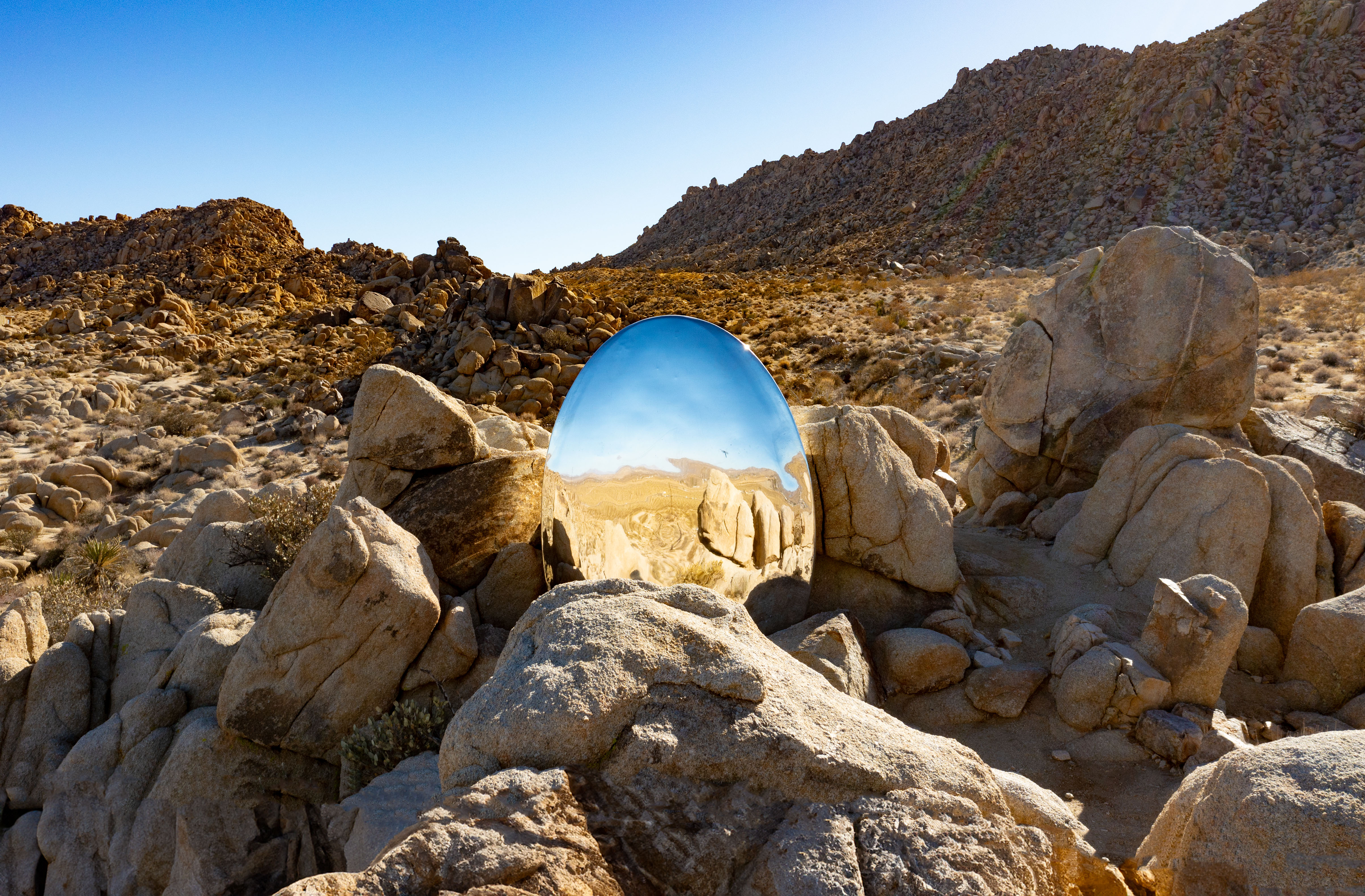
The non-profit High Desert Test Sites organization comprises a constellation of site-specific, often landscape-embedded artworks in and around Joshua Tree. Headquartered at founder Andrea Zittel’s aforementioned A-Z West compound, which includes many acres of publicly accessible hiking trails and bouldered hillsides, HDTS stretches east to Wonder Valley and northwest as far as Pioneertown. All the High Desert Test Sites projects share a connection to the cultural or environmental ecosystems of the Mojave Desert, and each suggests the possibility of surprising encounters with art in unexpected places. Among my favorites is Sarah Vanderlip's Truckheads (2003), which brings together two polished metal ends of a tanker truck welded together and positioned among the boulders of A-Z West. Along with Andy's Gamma Gulch in Pipes Canyon and Jack Pierson's The End of the World in Wonder Valley, each of these works invites a reconsideration of the desert landscape that extends and exceeds human scales of existence.
Pappy and Harriet's Pioneertown Palace
53688 Pioneertown Rd., Pioneertown, Calif.
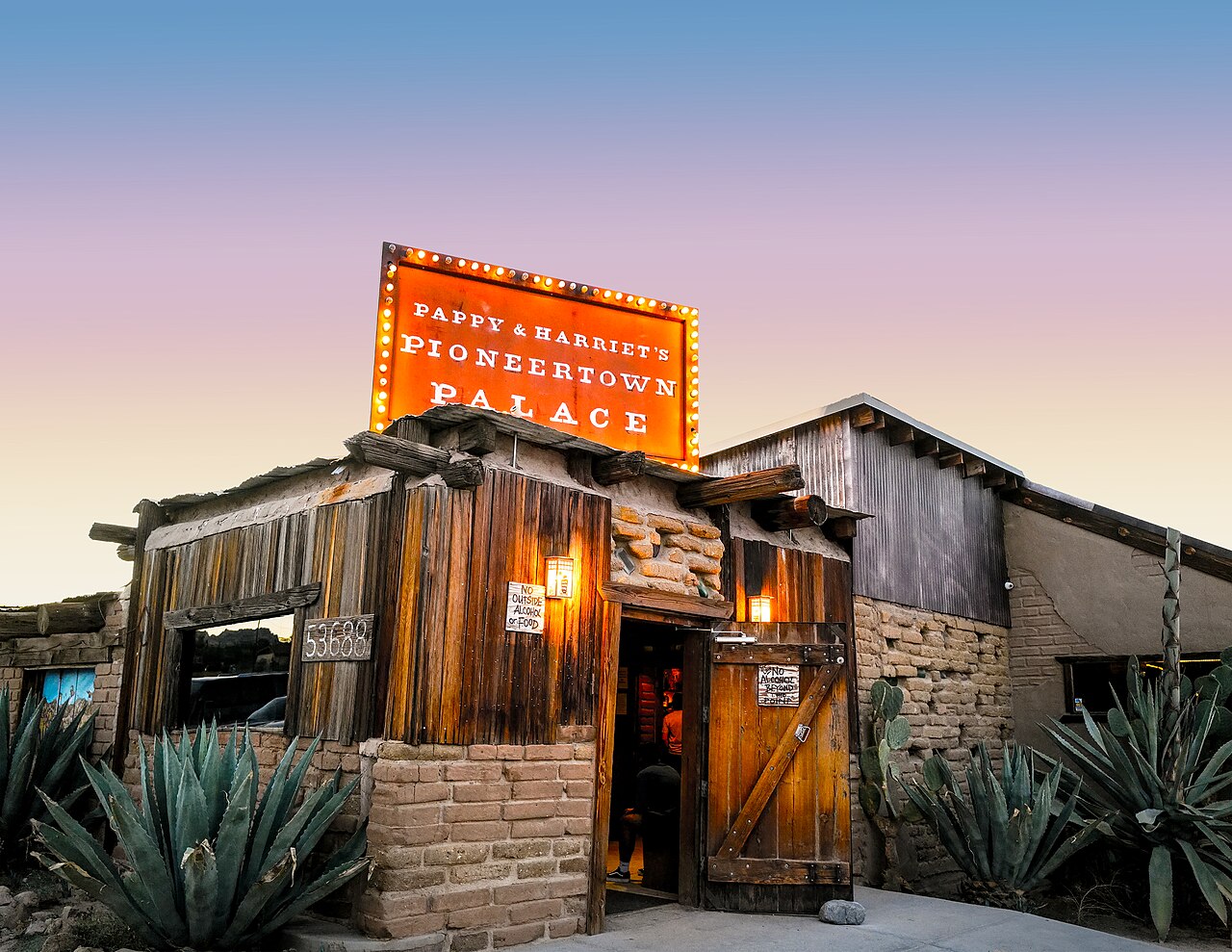
The high desert is home to a surprising number of venues for great food and live music, featuring both local and established artists. The area surrounding the most venerable of these, Pappy and Harriet's, was constructed in the 1940s as a permanent film set for low-budget TV and movie Westerns, and it retains an air of timelessness, combining the aesthetics of an 1880s frontier town with the vibe of a contemporary biker bar. From folk to punk, when it's warm, the bands appear on an outdoor stage; during cooler months, they move inside. In an age when "authenticity" has become a marketing term to be regarded with the utmost suspicion, Pappy and Harriet's is still the real deal.
Bombay Beach, Salton Sea
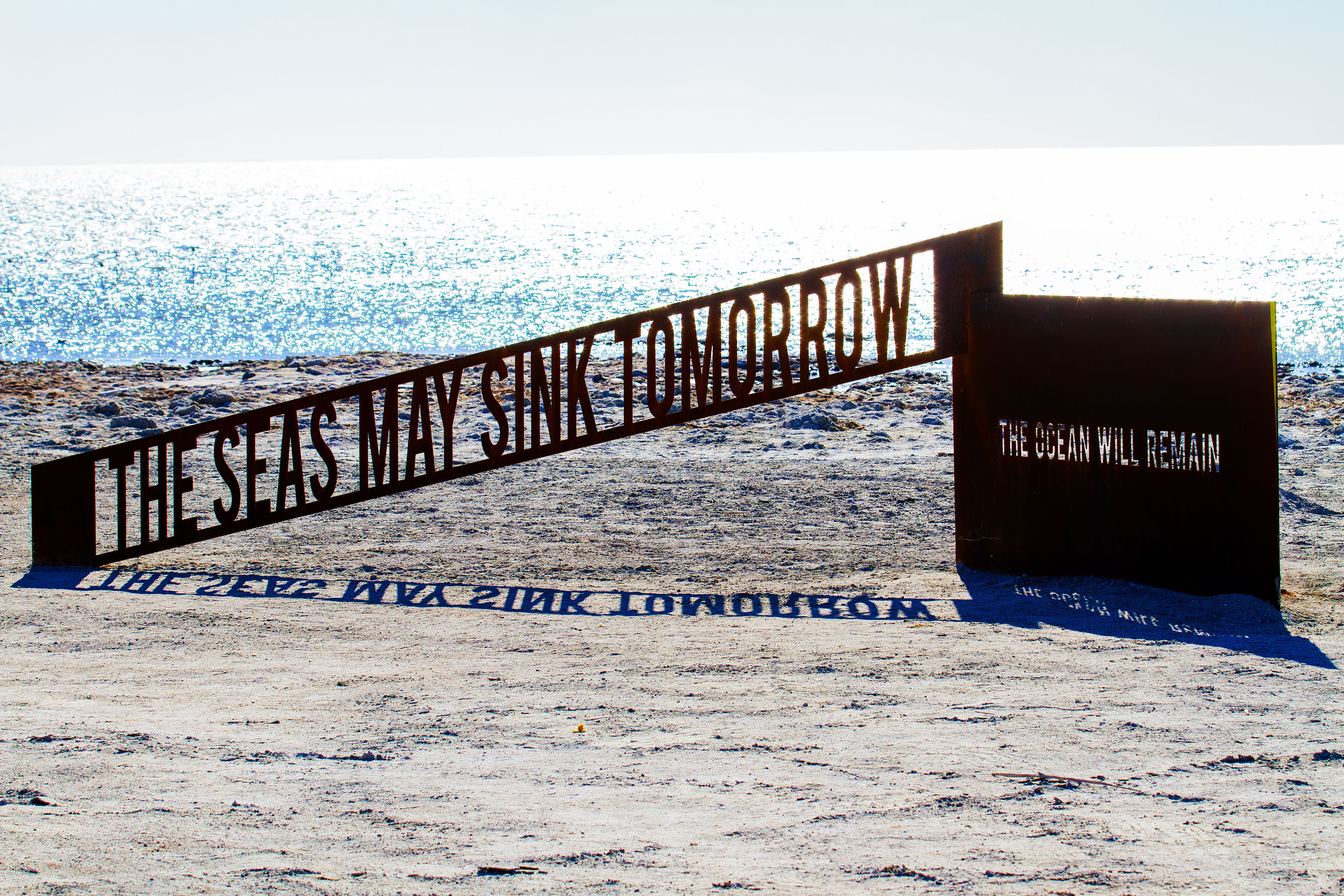
Okay, bringing the Salton Sea into this requires expanding my perimeter even beyond the high desert some 90 miles south of Joshua Tree, but the accumulation of public art and esoterica that has appeared on the east shore of the Salton Sea is well worth the visit. A onetime posh seaside resort, the community of Bombay Beach has fallen into disrepair but it continues to draw artists from outside the area as well as those who risk sustained exposure to the Salton's increasingly toxic legacy. Its combination of increasing salinity, accumulation of agricultural runoff and high concentrations of heavy metals makes the Salton Sea both a metaphor and a concrete manifestation of environmental decline. The continued existence and regular expansion of large-scale, anonymous, outdoor, often playful, artworks on the shores of the Salton suggests a glimmer of hope for the ways art can offer an alternative to the overwhelming despair of our present moment.
Stay engaged. Use #UCLAarts to stay connected.


