Victoria Marks choreographs today's American dream and its legacy
Guggenheim fellow and Alpert Award-winning choreographer, filmmaker, scholar, and activist Victoria Marks joined the UCLA Department of World Arts and Cultures/Dance in 1995 and, since 2017, she has served as the associate dean, academic affairs for the School of the Arts and Architecture. Marks creates dances for the stage, film, and in community settings. Her choreography has long considered the politics of citizenship, as well as the representation of both virtuosity and disability. These themes are part of her ongoing commitment to locating dance-making within the sphere of political meaning. Her projects migrate between ‘choreo-portraits’ for individuals who don’t identify as dancers and dances for and with dancers that fuel her inquiries into movement. Marks also serves as the chair of UCLA’s disability studies minor.
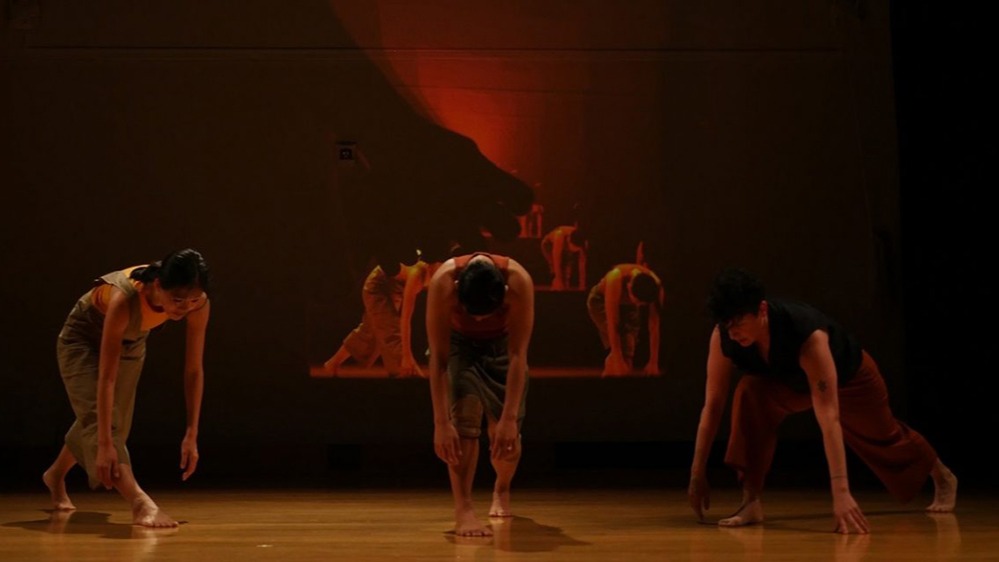
"America the Beautiful is no longer a common phrase used to describe this country. Environmental irresponsibility is poisoning the land and unequal opportunities are making it harder for immigrants to thrive. However, there was a time when people looked to the United States with hope and wide-eyed wonder. Choreographer Victoria Marks’s Pastoral, which enjoyed its world premiere at the Odyssey Theatre between February 7 and 9 as part of the 2020 Dance Festival (January 10 – February 9) explores these themes by bridging the past with the present through creative storytelling tools. The 60-minute piece is bold, blunt and entertaining, but occasionally tends to feel choreographically stagnant.
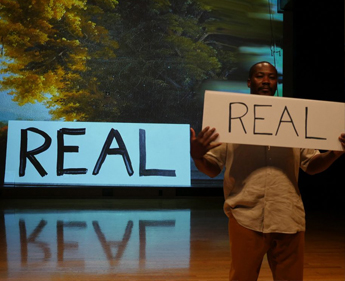
PASTORAL choreographed by Victoria Marks – Madeline Nobia Basing itself in Appalachian Springs (1944) created by Aaron Copland for Martha Graham, the work begins with Copland’s “Fanfare for the Common Man,” while a painting of the great outdoors is projected in the background. The six-person ensemble (Dezaré Foster, DaEun Jung, Aaron Mason, Alexx Shilling, Willy Souly, and Tom Tsai) takes turns posing with arms spread open and legs wide apart, almost as if on horseback, waiting to ride into new opportunities. The music wanes several times and the picture zooms out to reveal the painting’s small size and frame, taking away from its grandiose presence all along the black box theater’s back wall. Despite this, the performers only try harder; their stances broaden as if to indicate their willingness to be as open as possible in order to receive anything that may come their way. Their shoulders bend as they struggle with the weight of the responsibilities they need to take on in order to achieve their dreams. The image eventually distorts to make it seem as though Jung, who led the troupe through the first movements is now riding fellow dancer Tsai, taking advantage in whatever way she can in order to survive.
This first piece of choreography fully encompasses the tone of the dance: part-mocking, but mostly serious. Audience members watch the performers unite for a common cause through moments of synchronization, struggle individually in chaotic scenes that eventually entangle their fellow dancers, and continuously fail without ever giving up hope."— Lara J. Altunian, Feb. 13, 2020


This post is an excerpt. Read the full article on the LA Dance Chronicle website.
Read more about Victoria Marks.
Stay engaged. Use #UCLAarts to stay connected.


