The Prolific Output of a Chronicler of Chicano Lives and Struggles
"José Montoya’s Abundant Harvest: Works on Paper/Works on Life" at the Fowler Museum
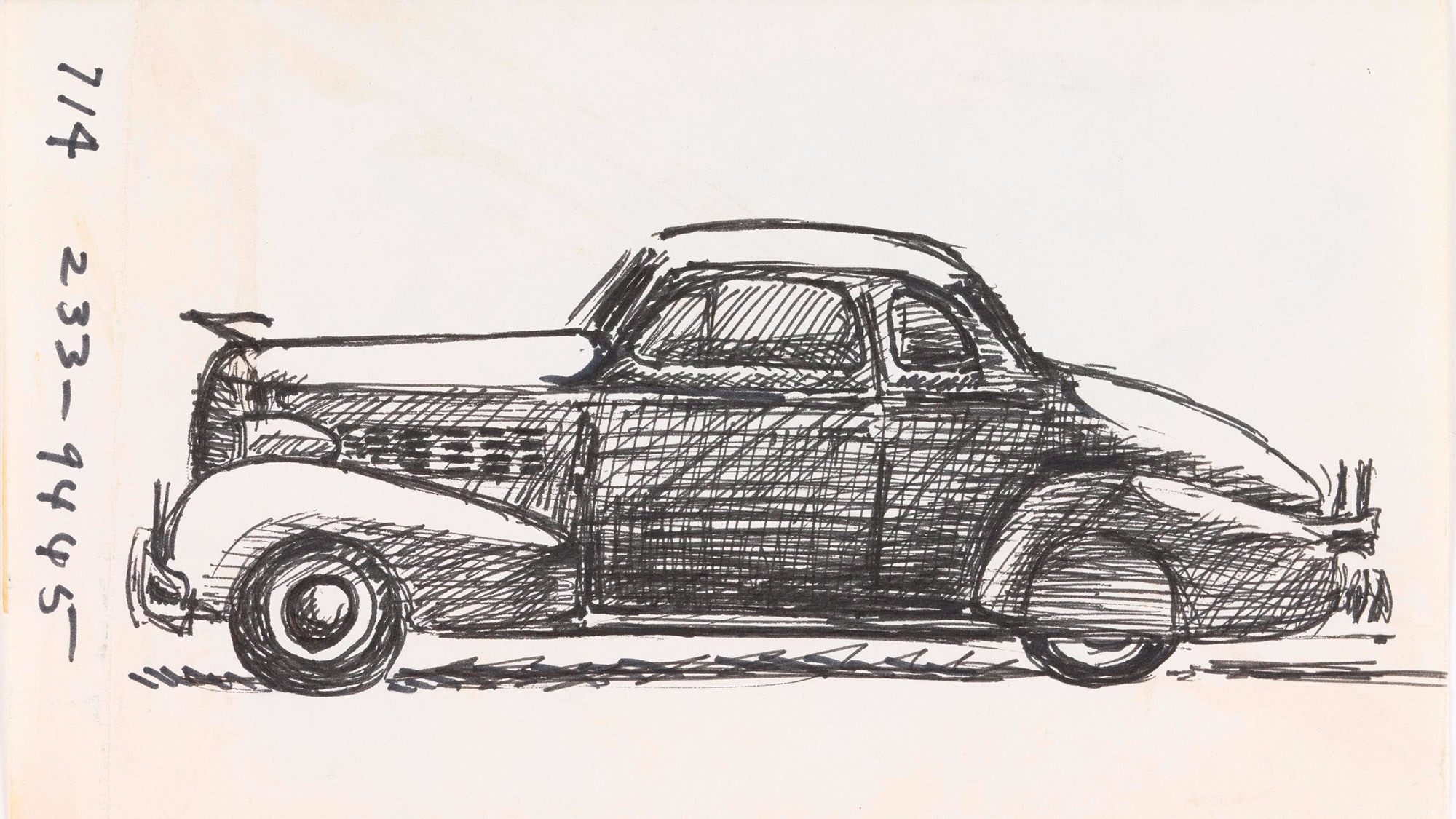
Hyperallergic visited the José Montoya exhibition at the Fowler and found that "Montoya’s stylized portrayals of the lives of Chicano men and women make visible stories too often absent the history — and the present day — of the US."
"LOS ANGELES — As I arrived recently at the Fowler Museum, I made a beeline toward the exhibition José Montoya’s Abundant Harvest: Works on Paper / Works on Life, rushing past a beautifully situated cloister and a series of photographs recording the efforts of the Legalize LA labor activist campaign. I landed, a bit breathless, in a warmly lit gallery. Painted on a red wall was a large eagle, the symbol of the United Farm Workersunion, grounding the exhibition in the history of Chicano labor activism — with which Montoya was long involved.
José Montoya (1932–2013) was an artist, professor, activist, and former poet laureate of Sacramento. He was also a co-founder of the Rebel Chicano Art Force (RCAF), which was later cheekily renamed the Royal Chicano Air Force. Born in New Mexico and raised by a family of migrant workers, Montoya devoted his life and practice to securing rights for Chicano laborers. His son, Richard Montoya —a member of the performance groupCulture Clash — and the independent curator Selene Preciado sifted through Montoya’s archive to whittle down this exhibition to a somewhat manageable 2,000 objects.
Five long rows of display cases gleam under bright lights, gently filtering visitors through the exhibition, while a non-invasive soundtrack of guitar music plays. Vitrines displaying Montoya’s drawings are designed to resemble rows of produce crates — specifically, grape trays — propped upon white tubing structures that evoke plumbing or irrigation systems. Although the boxes are stamped neatly on the sides with sequential numbers or letters, there is no chronological organization of the work in the exhibition. The monitor that loops a short informational video on Montoya sits on a sturdy-looking stand made of flattened cardboard boxes. The two stools placed in front of the television are also constructed from stacks of cardboard."— Hyunjee Nicole Kim, July 8, 2016

Read the full article at the Hyperallergic website.