The beach, the border and Donald Duck doing the samba: inside Pacific Standard Time LA/LA
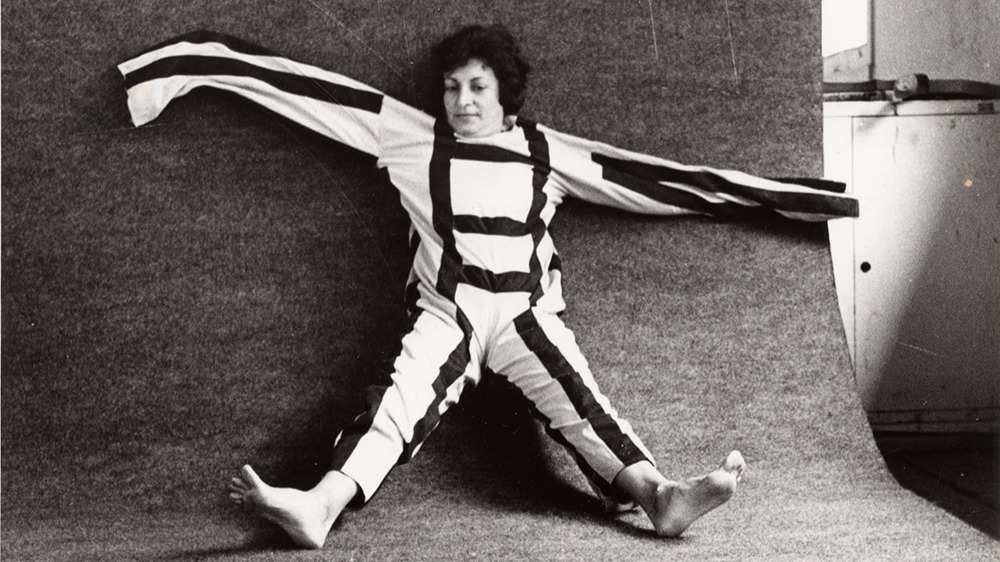
Through a series of thematically linked exhibitions, Pacific Standard Time: LA/LA presents a wide variety of important works of art, much of them new to Southern California audiences. Radical Women: Latin American Art, 1960–1985—part of Pacific Standard Time: LA/LA—reappraises the contribution of Latin American women artists and those of Latino and Chicano heritage in the United States to contemporary art.
"Donald Trump, against the odds, seems determined to build his “tall, powerful, beautiful” wall along the Mexican border – although it needs to be see-through, he now thinks, so that border agents won’t get surprised by “large sacks of drugs” being tossed over. In his announcement speech, he notoriously referred to Mexicans coming to the US as “bringing crime” and as “rapists”. Without doubt, Trump gives a political piquancy to the grand festival of exhibitions and events about to begin in southern California, one that has as its motto “a celebration beyond borders”.
Pacific Standard Time LA/LA involves more than 70 galleries and museums, all of which are addressing the theme of Latin American and Latino art in dialogue with Los Angeles. La la land for the next six months will become la la la land, as the city of dreams (if not, thanks to Trump, of ‘Dreamers’) underlines its importance as a world art capital.
PST was initiated and is largely funded by the Getty Foundation, the world’s richest visual art institution, which has provided more than $16 million in grants. When I speak to its president, Jim Cuno, he says the theme was decided some years ago, when “borders weren’t so sharply in our mind”. But he adds: “We welcome the political dimension that it now has” not least because a discussion of centuries of culture can make clear how such frontiers “are always being renegotiated … The border between the US and Mexico, say, from the perspective of hundreds of years, is always a temporary phenomenon.”
Cuno particularly mentions Radical Women: Latin American Art 1960-1985, an exhibition at the “extraordinarily vital” Hammer museum in LA, which considers art that used the female body as a form of political protest, in an era of coups d’etat and repressive regimes. There is a photographic record of a performance in which Colombian artist María Evelia Marmolejo cut her feet before she walked on paper laid throughout a public square, leaving a trail of blood.
The Hammer show is in part an exercise in retrieving forgotten activity: also documented is the Mexican artist Maris Bustamante’s conceptual work in which she patented the taco. She would also appear on stage wearing an apron, as if she had come straight from the kitchen, and throw firecrackers to suggest gunshots, before jokily threatening: “Nobody leaves a lecture on feminist art!”"— Paul Laity, Sep. 12, 2017

Read the full article at the The Guardian website.