Refik Anadol on AI, Algorithms, and the Machine as Witness
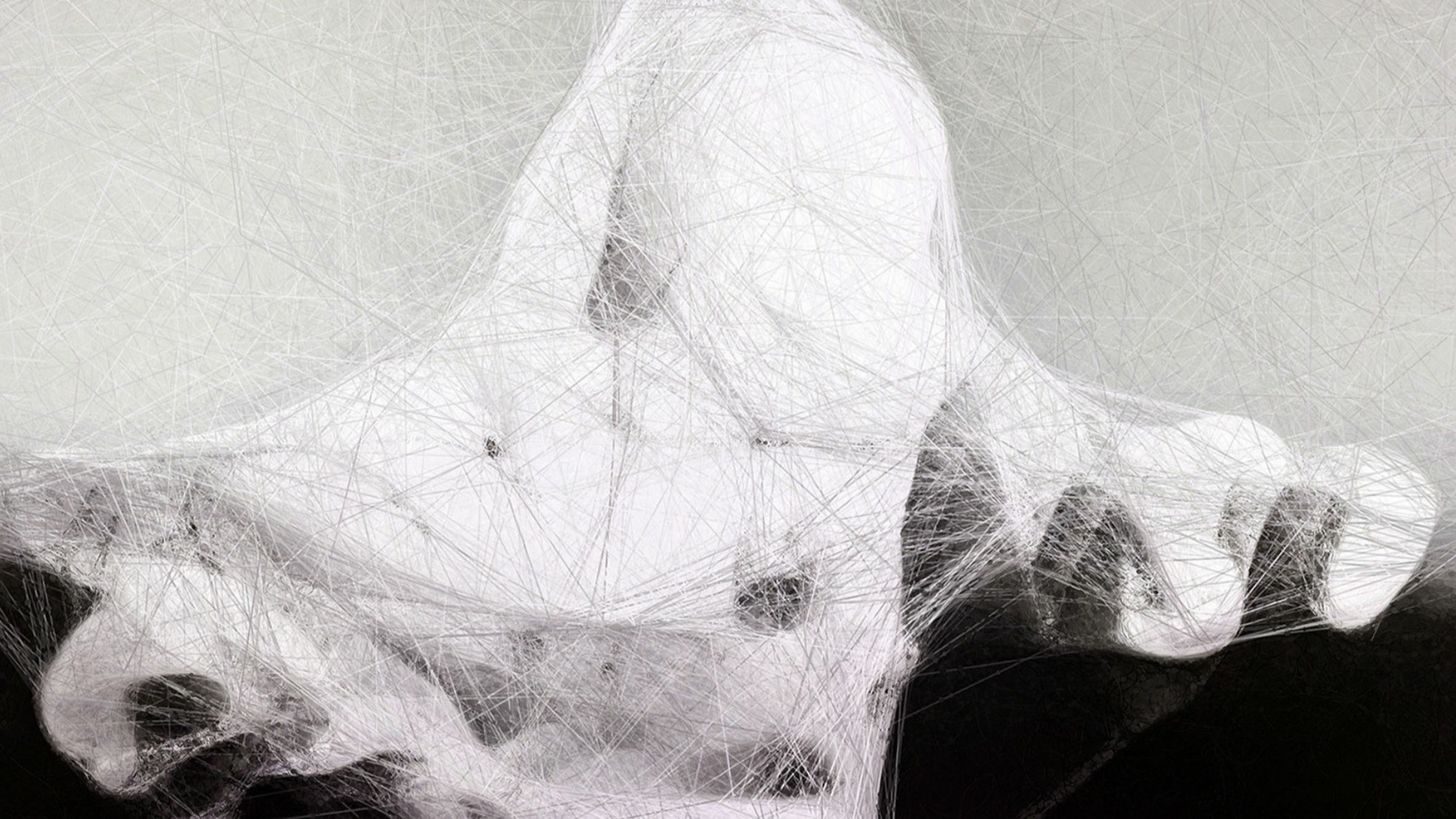
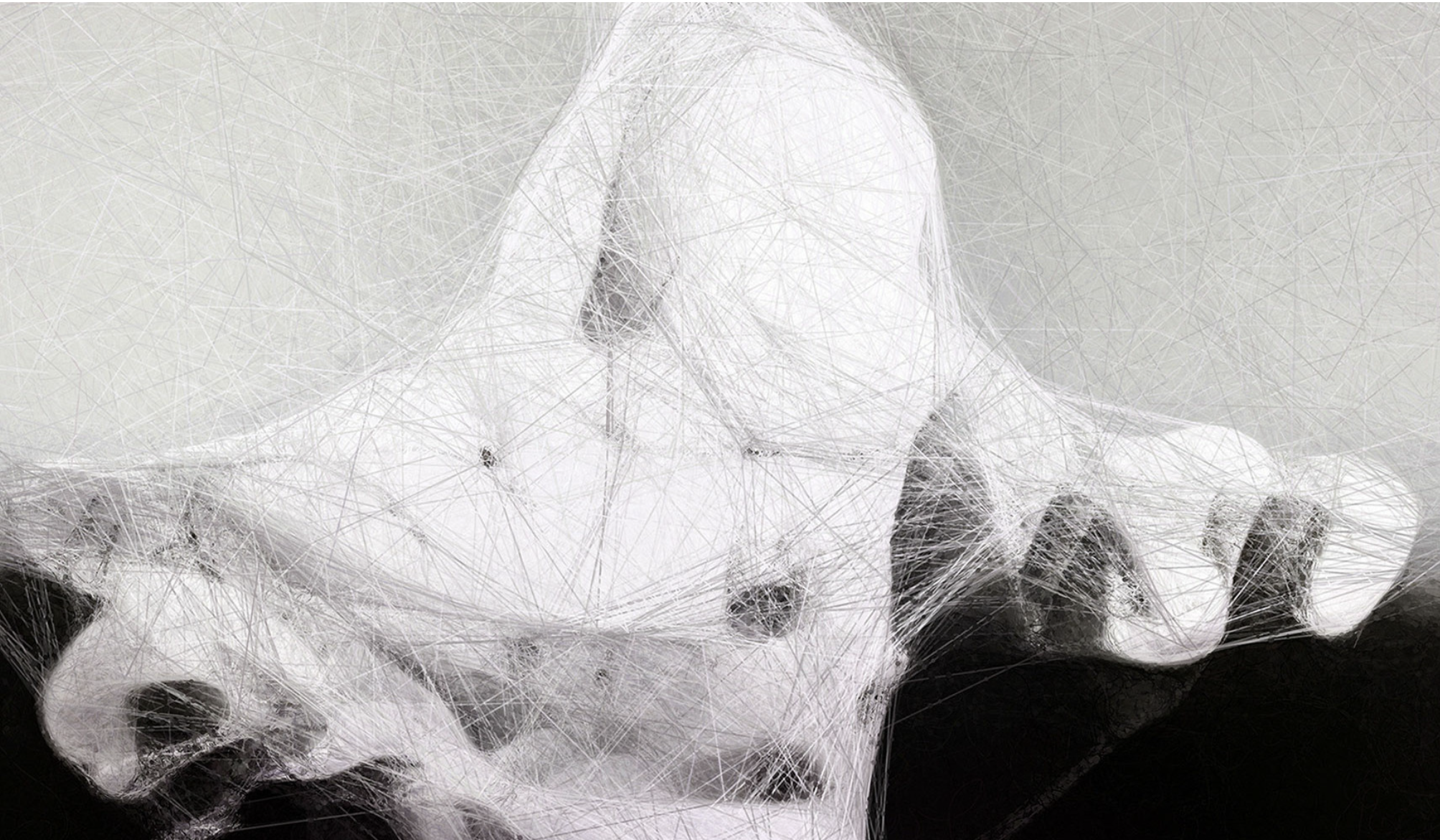
Unsupervised, Refik Anadol’s current installation at The Museum of Modern Art, ponders what a machine might dream about after seeing more than 200 years of art in MoMA’s collection. Anadol uses artificial intelligence to interpret and transform the Museum’s data set—to create new forms that could exist in the archive but don’t, to think about all the paths not taken in the history of modern art and to speculate about what they might be. In turn, the work transforms the environment of the Museum’s Gund Lobby into a large-scale, “living” animation teeming with unique visualizations that unfold unpredictably and have no predetermined outcome.
The project involves multiple stages of sophisticated machine learning developed over the past eight years: Anadol’s studio used open-source software1 to search, sort, and classify the publicly available data set of MoMA’s collection, creating a complex spatial map of the archive in 1024 dimensions. The studio then used a machine learning model known as a generative adversarial network (GAN)2 to navigate the map of the archive and, after months of learning, perpetually create new forms with the help of custom rendering software and a supercomputer3.
This post is an excerpt. Read the full article on the MoMa website. Read more about Refik Anadol.
Stay engaged. Use #UCLAarts to stay connected.


