Rebeca Méndez – Learning From the Birds
Rebeca Méndez is an artist, designer, and professor at UCLA, Design Media Arts, where she is director of the CounterForce Lab, a research and fieldwork studio. Her research and practice investigates design and media art in public space, critical approaches to public identities and landscape, and artistic projects based on field investigation methods.
Rebeca Méndez. Photo by Paul Jun The arctic tern is an elegant bird with a black mask, red beak and a white and grey plumage apt for its breeding ground in the polar north of the world. Each northern winter however it heads south, flying approximately 70,000 km to the relatively warmer climate of the Antarctic summer. Its route varies, but many of the five billion that make this regular migration and back will find themselves winging their way across California. As the stretched highways and urban sprawl of Los Angeles comes into view below, these birds might in turn be spotted by Rebeca Méndez, a Mexican-born designer, artist, academic and enthusiastic birder, who has lived in America for over forty years. The extraordinary tern is the subject of one of two murals that Méndez has produced recently for a newly-opened subway stop in the city. Circular, mimicking both the view through the artist’s telescope and the globe which the tern crosses, just a graceful wing is shown, aloft against the bright blue Californian sky.
The Expo/Crenshaw station is situated in an area with large Black and immigrant communities and it is easy to understand the journey of the bird, as it moves across the world, with little heed to nation-state, as symbolic of both the experience and problems faced by many of the humans who use the mass transit stop on a day-to-day basis, those especially who have come from elsewhere and who face prejudice for doing so. Yet Méndez’s interest in the tern extends much further back than this site-specific reading of CircumSolar, Migration 4 (2016–20), and hinges on the enforced mass migration that is already occurring due to the climate emergency, the mass animal and habitat extinction that that entails, together with the geopolitics of the changing landscapes of coastal lands and the Arctic and Antarctic regions. Birds often serve as indicator species for habitat health and Méndez has been researching the tern for over a decade, tracing its migration through field trips – bracing -25°C cold to journey to its northern home in a sailing boat – and film, sculpture and lectures. She has said “When I am at those edges you don’t take anything for granted”, and her work is a lesson in drawing our attention to a remarkable animal – and by extension – a world under threat. — Oliver Basciano, Feb. 15, 2022



This post is an excerpt. Read the full article on the TL Magazine website.
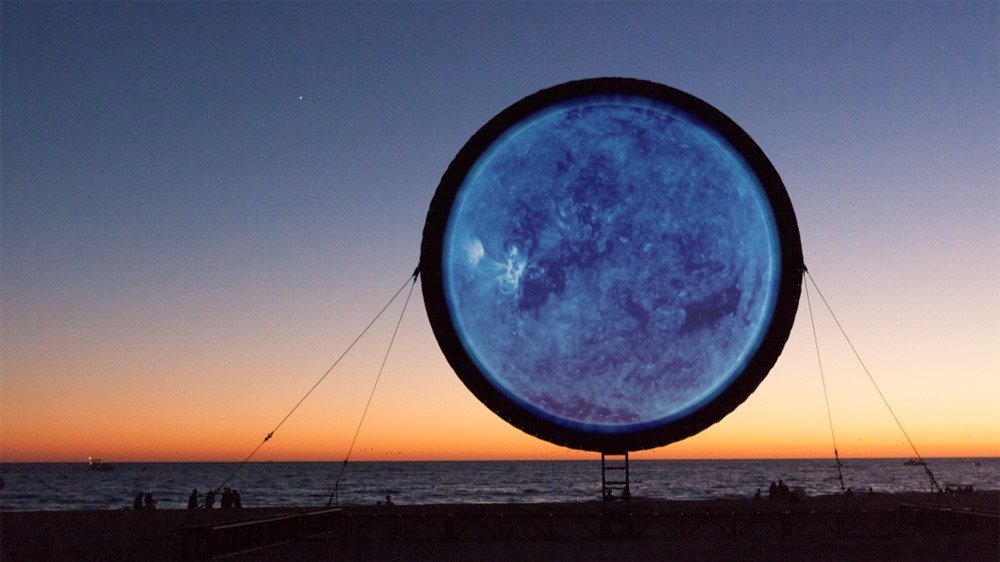
HEADER IMAGE: CircumSolar, Migration 1, 2013, installation vidéo monocanal avec composition sonore de Ben Frost. Vue de l’installation à Glow2013, Santa Monica, Californie /single-channel video installation with sound composition by Ben Frost. Installation view at Glow2013, Santa Monica, California
Stay engaged. Use #UCLAarts to stay connected.


