Photographer Catherine Opie on creating living history and leading UCLA’s art department
Catherine Opie joined the UCLA Department of Art faculty in 2001. One of the preeminent artists of her generation working with photography, Opie is known for her evocative images of contemporary America that have been featured in major museum exhibitions around the world. Opie has chosen a myriad of subjects throughout her career, including the S/M community, city buildings, domestic life, high school football players, surfers, and President Barack Obama’s first inauguration. At UCLA, Opie teaches graduate and undergraduate students in photography.
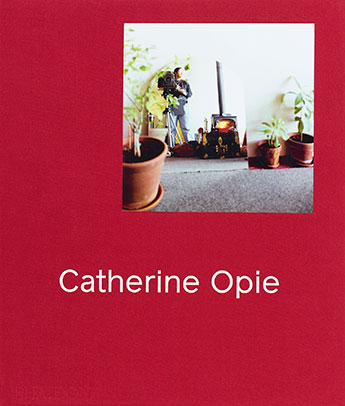
Catherine Opie. Essays by Hilton Als, Elizabeth A. T. Smith, Douglas Fogle, Helen Molesworth, and Catherine Opie in conversation with Charlotte Cotton. Phaidon. "Catherine Opie peels back many layers of American society with her photographs of places — freeway overpasses, rundown mini-malls, and empty cityscapes — and of people like high school football players, California surfers, and those in the Lesbian leather scene.
Her friends call her the mayor of LA because she’s photographed so much of the area over the decades. And she’s taught photography at UCLA for the last 20 years. Now UCLA has named Opie the new chair of its Art Department.
And a new book is out featuring more than 300 of Opie’s photographs from the past 40 years.
Opie tells KCRW she’s been in disbelief to look at her body of work and how it’s changed over the decades.
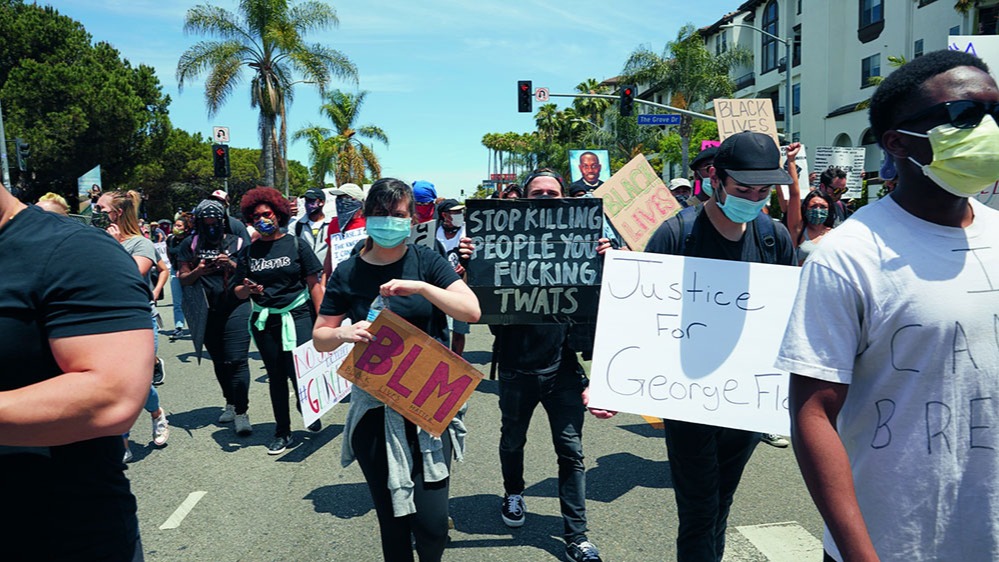
During the pandemic, Opie spent six weeks traveling in an RV to photograph life nationwide. Prompted by racial reckoning during summer 2020 and the election, she wanted to take images that reflected the moment.
Across the south, she photographed monuments — both those taken down and still standing — as well as traveled to specific locations like Breonna Taylor’s memorial site.
In Virginia, she visited the monument of Confederate General Robert E. Lee on a horse. The image shows the structure’s graffitied base.
Opie says, “I believe the graffiti on that site … in relationship to an activist moment within Black Lives Matter after the killing of George Floyd, was a real interesting moment where we are reckoning again with the history of slavery and Black lives literally being killed by the hands of police one after another. I look at that not as defacement of a monument but a reclaiming of no longer celebrating this figure of Robert E. Lee.”" — Written by Danielle Chiriguayo, produced by Sarah Sweeney, Jul. 20, 2021


This post is an excerpt. Read the full article on the KCRW website.
Stay engaged. Use #UCLAarts to stay connected.


