Kristy Edmunds: Public Care is Our Most Durable Good
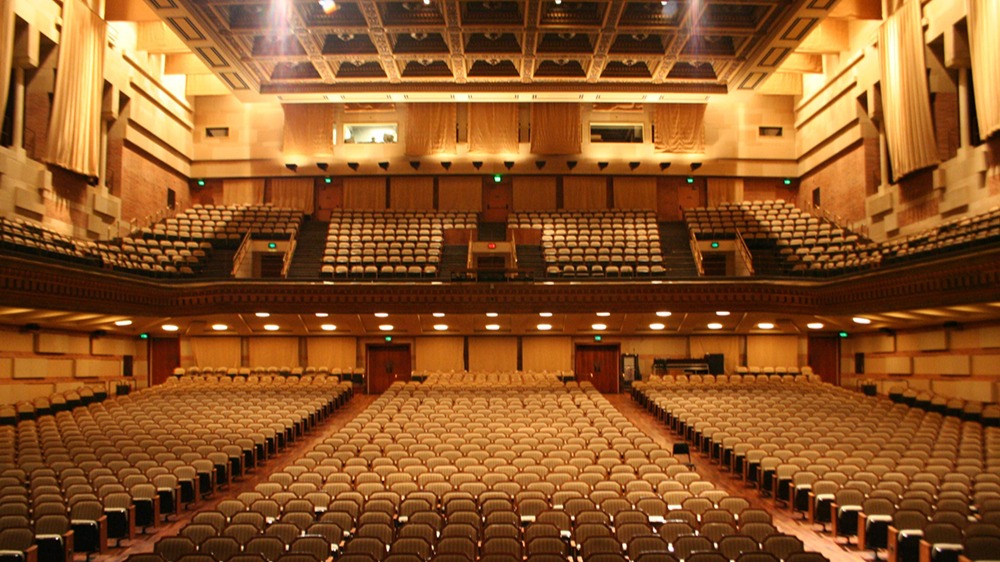
Kristy Edmunds, is the Executive and Artistic Director of UCLA’s Center for the Art of Performance (CAP UCLA). She is an artist, curator, frequent keynote speaker and currently the Executive and Artistic Director of UCLA’s Center for the Art of Performance (CAP UCLA), a leading presenter of contemporary performance on the West Coast. In recognition of her contribution to the arts, Edmunds was named a Chevalier (Knight) de L’Ordre des Arts et des Lettres by the French Government in 2016 and was the inaugural recipient of the Berresford Prize by United States Artists (USA) in 2018.
"The role of the arts in helping to rebuild society has become a significant topic as we gaze out at the elongating time horizon of COVID-19 and experience its devastating effect on our lives and livelihoods. Social, racial, cultural and economic disparities cannot continue to be systemically reinforced if we are to heal the gaping wounds of our past within our hyper-changing present. Any lasting recovery will need to correct ingrained patterns of neglect and inequity. The arts are by no means is unassailable, and yet despite our flaws, we will play a critical role economically and culturally.
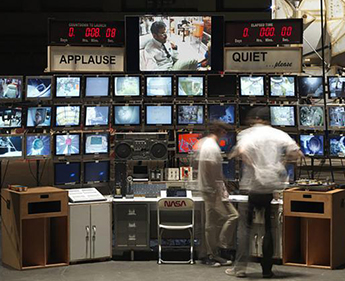
Tom Sachs: SPACE PROGRAM: MARS exhibit. | Sam Horine. There is no doubt that our arts and culture frameworks add economic and cultural vitality to our communities. While social, cultural and educational purpose drives most arts organizations, we also generate positive economic impact. In the not-for-profit sector, we derive our monetary means through public participation and philanthropic investment and expend these resources to yield positive benefits to any industries: retailers, suppliers and services essential to our work. I won't dwell on the impressive and widely available statistics, but it’s important to note that the economic benefit of our work accumulates in society, flowing to adjacent people and enterprises, rather than accruing back to us as monetary profit. The resources that propel the arts nourish a commitment to cause over profitable self-interest and assures that benefits are dispersed.
Recognizing the benefits of creative activity in society matters moving forward. To me, however extraordinary what we make is, the true value is in the less-explored regions of how we think and learn.
This distinction has never quite taken hold in American society. Many might ask how a song, painting, dance, book or film can help repair the bruised and long-neglected aspects of our democracy, or point the way to immediate economic recovery. It's not the single gesture of a work of art or a stand-alone cultural institution that I am referring to; it is the processes that inform our collective contributions throughout an extremely diverse cultural ecosystem.
Artists know how to see beyond the familiar fence line and disrupt the complacencies and habitual strategies we might otherwise continue applying — consciously or unconsciously. Artists do not default to old patterns when confronting change or challenge. They set a higher bar for shaping and sharing their ideas, which do not spring from the blinding malleability of American exceptionalism or entitlement, but from a persistent and deeply lived awareness of what is that can be put into service for what could be.
I believe we must turn to artists. We must vigorously invite their expansive knowledge to the recovery table: every policy table, every economic table, every neighborhood table, every board room, courtroom, backroom and everywhere else that has previously prioritized administrative expertise and monetary leveraging over inclusive problem-solving."— Kristy Edmunds, Jul. 29, 2020

This post is an excerpt. Read the full article on the KCET website.
Read more about Kristy Edmunds.
Stay engaged. Use #UCLAarts to stay connected.


