Is PartyLine the antidote to Zoom fatigue?
AUD lecturer Jake Matatyaou wants to "break free from the relentless image economy"
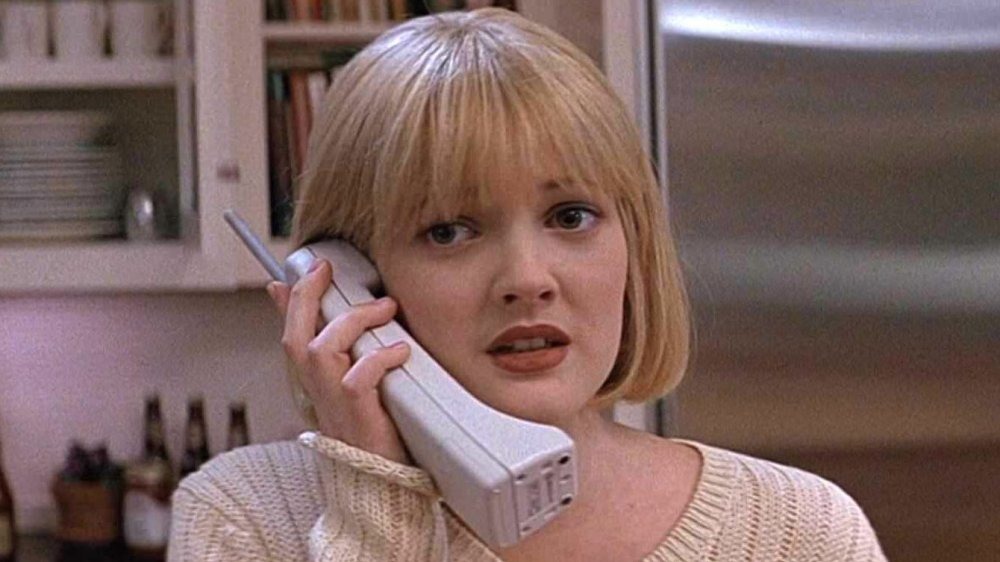
Just after we began physical distancing, Jake Matatyaou had an idea: what if every week there was a phone number strangers could call to talk to each other?
"One of the main things that we wanted to achieve was to interrupt or break free from the relentless image economy that we're constantly circulating in," said Matatyaou, a lecturer in the UCLA Department of Architecture and Urban Design, as well as a designer and writer. "Returning to the human voice was something that was really important to us in coming up with this PartyLine."
Matatyaou spoke to Works In Progress about starting PartyLine. He also discussed his interest in slower modes of work ("I'm a big fan of idleness and promote it wherever I can"), and he shared his experience with teaching and working remotely, something he was already very familiar with.
His design partner, Kyle Hovenkotter, lives in Seattle and teaches architecture at the University of Washington. The two have had a remote practice, JuneJuly, for several years, and several of their projects have incorporated sound and spatial design.
The technology of a “party line” goes back to the late 1800s, when several households would share a telephone line, often in remote or rural areas. The lines served for emergencies but also became a place to gossip and listen in on other people’s conversations.
That sense of voyeurism and anonymity made party lines a popular Hollywood trope. A party linewas the basis of the 1935 movie Party Wire, and it brought together Rock Hudson and Doris Day in the 1959 hit Pillow Talk.
The phrase was later adopted to mean a conference call, usually that one paid to join. In the 1980s, party lines became a popular place for teens or single people to meet each other. There were also party lines for adults looking to hook up, and a range of lines to discuss everything from Hulk Hogan to chess to the Bible. Think of it as a precursor to an Internet chat room.
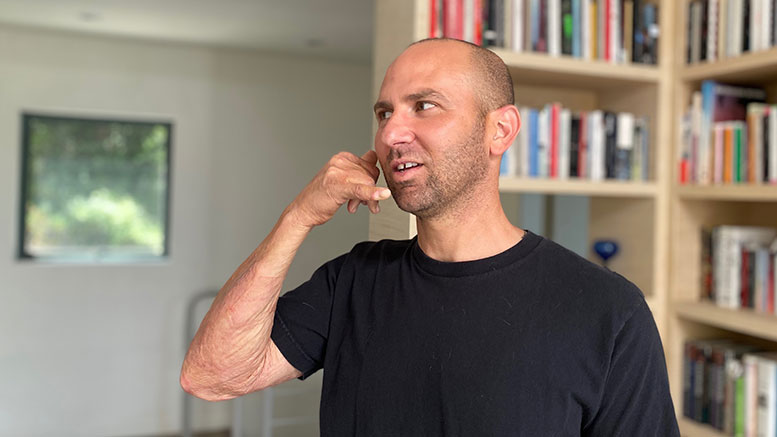
Jake Matatyaou: designer, educator, and creator of PartyLine
Back in March, Matatyaou set up a free phone number along with a website and Instagram account. His fiancé, Kate Merritt, posts pop culture images of actors and other celebrities talking into phones, along with info about the next PartyLine session (the day and time change each week).
There's also a theme chosen for each week’s discussion, such as wonder, failure, ritual, care, play, and satisfaction. The themes lend themselves to philosophical conversations that also lead to humorous anecdotes, wry observations, and recommendations for TV shows to binge or long books to read.
"I like it being a platform for exchange between people who had not come into contact with each other's voice. And in that sense, we're also relearning habits and customs of being on the phone, which is a completely strange experience for a generation who didn't grow up with it," he said.

Matatyaou is currently teaching design lecture and studio courses at UCLA. While he was very familiar with "communicating about design on the screen" because of his remote practice with JuneJuly, he finds something lacking in his online classes.
"I really miss the collective learning atmosphere... and the ability for students to look at each other's work and share drawing tips or model-making tips," he said. Collaborating remotely is "great for small scale collaborations, but we're going to have to try to invent new ways of talking to each other."
Students seem willing to adapt, Matatyaou said, and other instructors seem willing to "reinvent architectural pedagogy," such as final juried reviews with guest critics.
"I think design education really needs a refresher," he said. "Hopefully we can fix things that we've carried over from previous ways of teaching architecture."
Story by Avishay Artsy
Stay engaged. Use #UCLAarts to stay connected.


