How to Take a Portrait, According to Photographer Catherine Opie
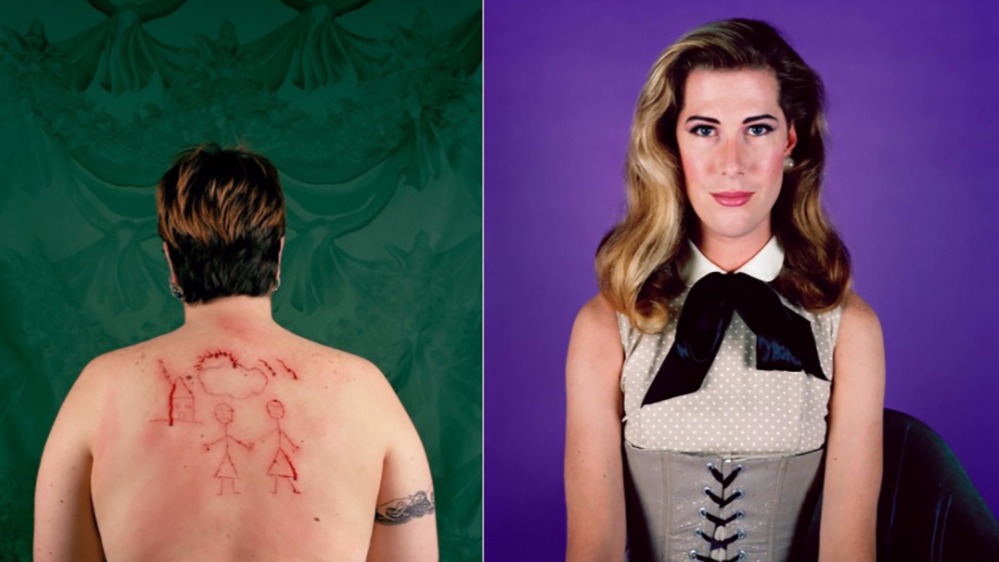
Professor Catherine Opie’s work has been exhibited extensively throughout the United States, Europe, and Japan. Her masterful portriture and landscape photography studies the relationships between mainstream and infrequent society, with a large emphasis on sexual identity.
As one of the leading fine art photographers working in the United States today, Catherine Opie has earned acclaim and attention for her portraits. For over 30 years, she’s taken photographs of herself, and of others—from the queer and S&M communities of Los Angeles and San Francisco, to surfers, high school football players, and fellow artists, like Kara Walker, Mary Kelly, and Glenn Ligon. Known for her contemporary take on a formal, classical style, Opie has recently looked to canonical Baroque and Old Master paintings for inspiration.Now based in Los Angeles, Opie has served as a professor of photography at UCLA since 2001, and previously taught at the Yale School of Art, all the while sharing her mastery of the medium with younger generations of photographers.
As she unveiled a new series of portraits at Thomas Dane Gallery in London, we caught up with Opie, who shared the lessons she’s honed over the years, on how to photograph a portrait.
Have a question to answer
“The most important thing to do is to begin with an idea that tries to answer some questions,” Opie explains.With her most recent series of portraits—of subjects including David Hockney, Anish Kapoor, Gillian Wearing, Lynette Yiadom-Boakye, Thelma Golden, and Duro Olowu, most of which were taken in London—she considered portraiture through history, from Old Master paintings to selfie culture, and sought to answer age-old questions around representation. “I’m trying to re-calibrate portraiture to an extent,” she explains. “What is it to stare and be stared at? I’m trying to approach that question through this body of work.”
At a time when portraits—celebrity portraits in particular—are ubiquitous, Opie emphasizes that asking critical questions before shooting is essential. “I started to think a lot about selfies in this day and age, where everything is photographed, and what it means to hold a person with an image now,” she notes.
“History holds us in some way, but what is it to be a contemporary artist and bump up against history by using an aesthetic of Old Master paintings within portraiture?” she asks. “Does it allow you to enter a subject in a different way? Even though the portrait is contemporary, it creates history, and photography has always operated very well on that level.”"— Charlotte Jansen, Oct. 5, 2017

Read the rest of Opie's tips on the Artsy website.
Read more about professor Catherine Opie here.