How names can cement or change power dynamics
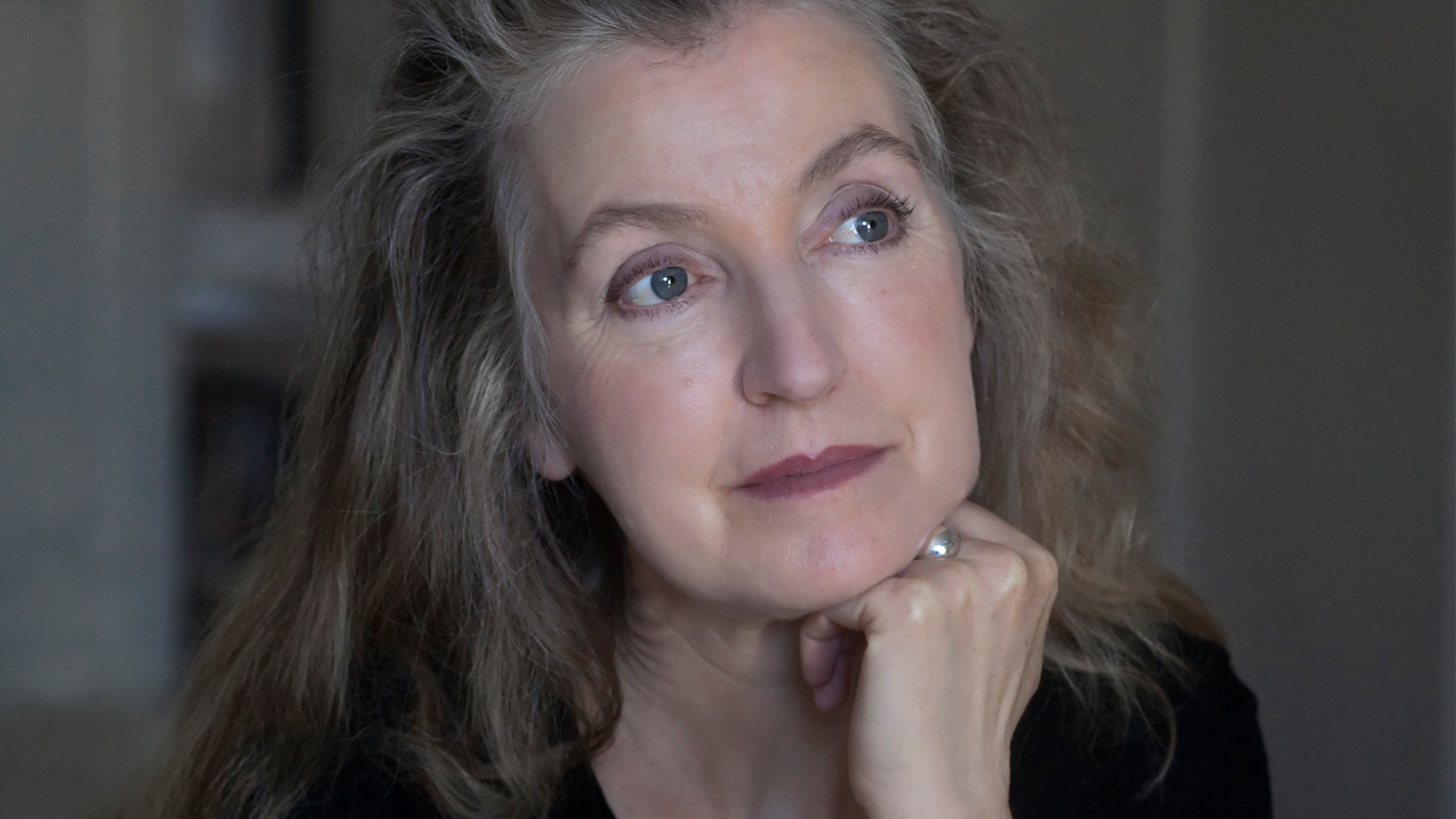
Writer, historian, and activist Rebecca Solnit is the author of 20 books, in her newest work, Call Them by Their True Names, Solnit turns her attention to the war at home, a war “with so many casualties that we should call it by its true name, this war with so many dead by police, by violent ex-husbands and partners and lovers, by people pursuing power and profit at the point of a gun or just shooting first and figuring out who they hit later.” To get to the root of these American crises, she contends that we must “acknowledge this state of war [and] admit the need for peace,” countering the despair of our age with solidarity, creativity, and hope. Solnit spoke with Jon Chistensen, UCLA professor and journalist-in-residence at the Institute of the Environment and Sustainability and a founder of the Laboratory for Environmental Narrative Strategies (LENS) on the CAP UCLA stage.
Rebecca Solnit says a name can hide the truth or tell an outright lie. How we name things, like enhanced interrogation, chain migration, the sharing economy, can be used to persuade, and tip the balance of power. Solnit argues that by calling things by their true names, we can cut through the lies that keep people in power, and others vulnerable.
Guests:
Rebecca Solnit, author
Stay engaged. Use #UCLAarts to stay connected.


