How I became an artist: Wu Tsang
As alumna Wu Tsang takes over as a director at Zurich’s Schauspielhaus, she reflects on her career
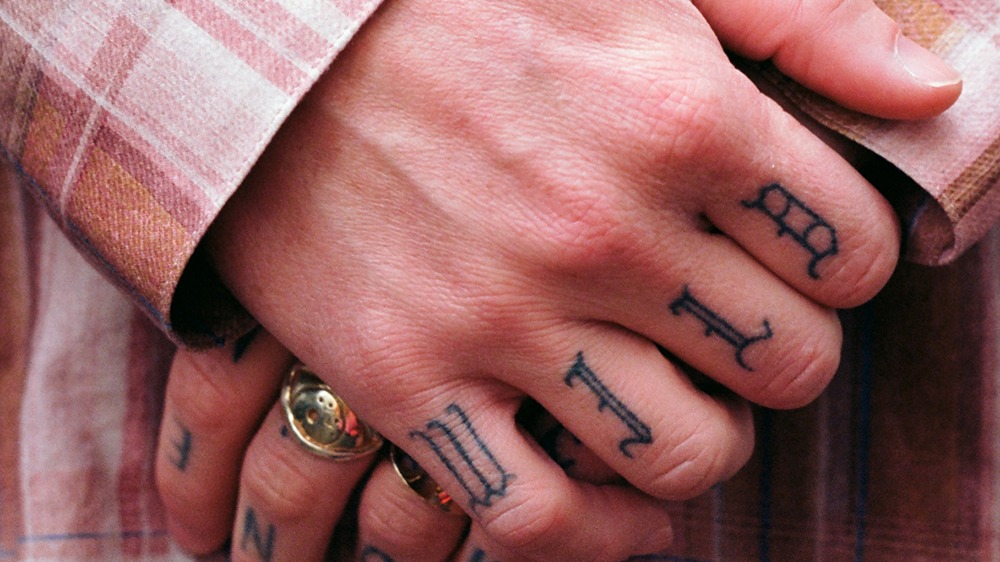
Filmmaker, performance artist, and UCLA Department of Art alum Wu Tsang, spoke with Jenni Fulton of Art Basel about how she became an artist. Tsang creates new conceptual and visual vocabularies for exploring hidden histories and marginalized narratives in works that collapse the boundaries between documentary and fiction.
"My first artwork was a short video called Shape of a right statement [2008], based on a text by the autism-rights activist Amanda Baggs. At the time, I was organizing queer clubs in Los Angeles. I used to throw a weekly party together with friends called Wildness. It was in the context of performance and drag, although I wasn’t thinking of myself so much as an “artist” or even a performer then. My creative practice took shape through all these seemingly disparate activities – learning to sing opera, throwing parties, and participating in trans activist movements. I was just doing what I loved, and it was very community-driven.
Wu Tsang. Photography by Tosh Basco for Art Basel. ‘My creative decisions were based on trying to capture a sociopolitical situation that my life was very embedded in. I now make hybrid documentary/fiction films, and performance has become the hinge for how I negotiate the politics of representation.
‘Perhaps the first well-known film of mine was Wildness, a feature documentary released in 2012 about a trans Latinx bar in Los Angeles called Silver Platter. When I was making it, I was approaching it more as an activist trying to be a filmmaker. I felt there was an important story to tell about the lives of my friends at the bar, many of whom were trans women and undocumented immigrants, often struggling with overlapping invisibilities, and thriving despite intense conditions of violence and policing. I had no idea what I was doing – I hadn’t gone to film school, but it felt so urgent and necessary to make the film. I learned through doing – and making lots of mistakes.
‘That same year, Wildness and a related installation called Green Room were included in the Whitney Biennial. I recall being a bit surprised, because at that time I was focusing on filmmaking as an activist, I didn’t really see it as a visual art. But I also appreciated the opportunity to create an immersive environment, which felt like a sort of protective space for the material – and I felt very protective of it. In cinema, you have a single-channel frame, you have a narrative, and you can tell a story – but you are also more exposed to a certain kind of reductive viewing. I began to appreciate that, with visual art, because you have a more subjective and simultaneous viewing space, you can create more nuanced and delicate layers of meaning. “Green Room” also had a double function as a literal dressing room for the performers in the biennial. So, again, I found myself behind the scenes, more as a host or facilitator, and it felt like an extension of what I had been doing in LA at Silver Platter – creating a space for performance. So I have come to understand that directing, for me, is an extension of this practice. I’m not trying to get someone to do exactly what I want them to do, I’m trying to create a space for them to perform as themselves, or reimagine themselves."— Jeni Fulton



This post is an excerpt. Read the full article on the Art Basel website.
Stay engaged. Use #UCLAarts to stay connected.


