Guide to Pacific Standard Time: LA/LA at UCLA
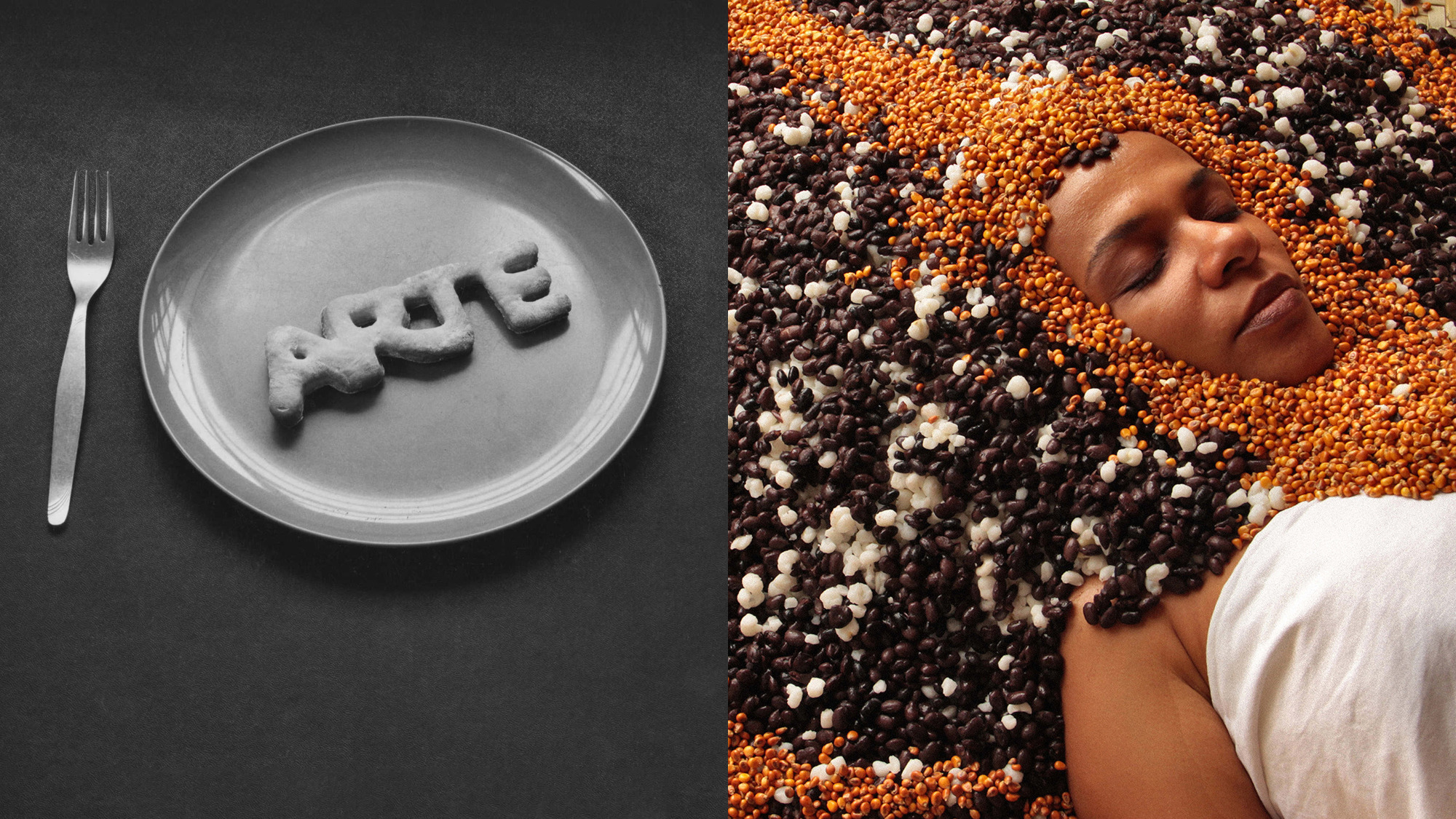
This week marks the start of the much-anticipated Pacific Standard Time: LA/LA exhibition and event series. Led by the Getty, this latest collaborative effort from arts institutions across Southern California is a far-reaching and ambitious exploration of Latin American and Latino art in dialogue with Los Angeles.
All over the city, museums, galleries, theaters, and institutions kick off their exhibitions and programming. You can take part in the festivities without travelling more than a half-mile from campus (though, if you are reading this from elsewhere, you will likely be tempted to make the trip to Westwood). The Hammer Museum and Fowler Museum have a particularly impactful role in the PST: LA/LA initiative with three exhibitions and nearly fifty events that are free, open to the public, and not to be missed; and CAP UCLA joins forces with the Fowler to present an evening of music that promises to deepen the impact and reach of the museum’s exhibitions. Not to mention the exhibition and programming at the UCLA Film and Television Archive. Read on for program highlights. Click here for news about the exhibitions and programs.
At The Hammer:
Saturday, Sep. 16
Opening Celebration, Radical Women: Latin American Art, 1960–1985
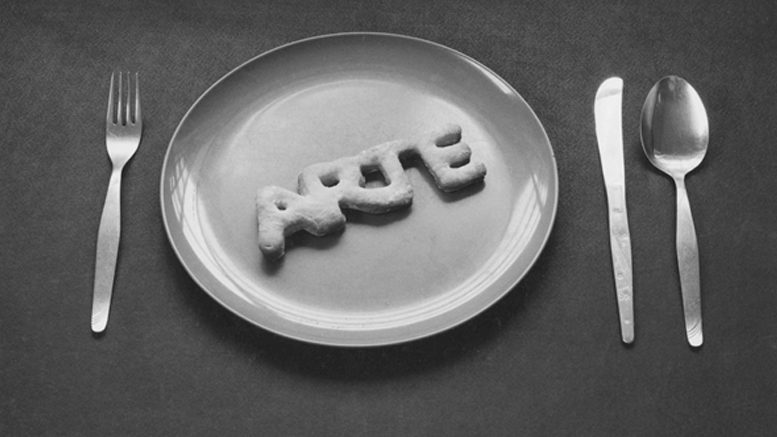
This exhibition will reappraise the contribution to contemporary art of Latin American women artists and those of Latino and Chicano heritage in the United States. Be among the first to see the exhibition during Saturday night’s party, with galleries open late, live music by Jungle Fire, DJ sets by Chulita Vinyl Club, cash bar, and food for purchase all night. Audiences are invited to participate in the restaging of important works by the artists Martha Araújo, Mónica Mayer, and Regina Silveira.
Monday, Sep. 18
The Political Body in Latina and Latin American Art
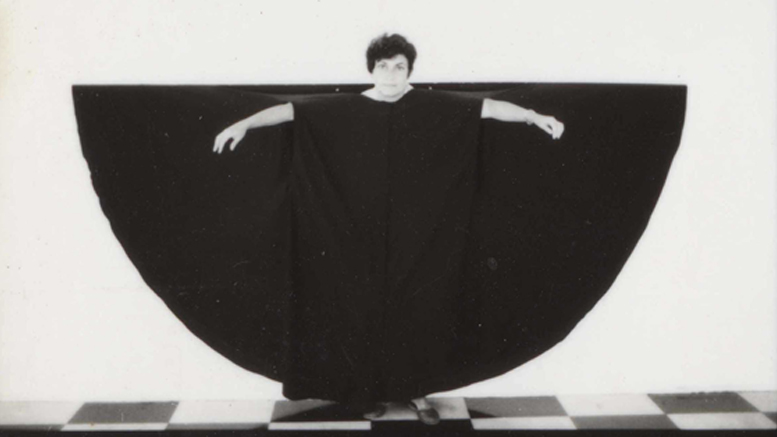
What does it mean to be a radical woman artist? How did Latin American women artists and Latinas working in the United States between 1960 and 1985 defy dominant patriarchal narratives through new perceptions of the body? What is the relationship between Latina and Latin American art practices and political feminisms? How is the body political?
The political body, a key concept of the exhibition Radical Women: Latin American Art, 1960-1985, is bound by the poetics of subjectivity, shaped by desire, and disobedient and resistant in the face of political turmoil such as oppression, violence, and dictatorship. In this symposium, scholars, artists, and curators from around the world convene to consider ideas of radicality, feminism, and the emancipated body.
This symposium is free and bilingual in Spanish and English.
Sep. 22, Oct. 7, Nov. 2, & Nov. 29
Radical Women Concerts and Performances
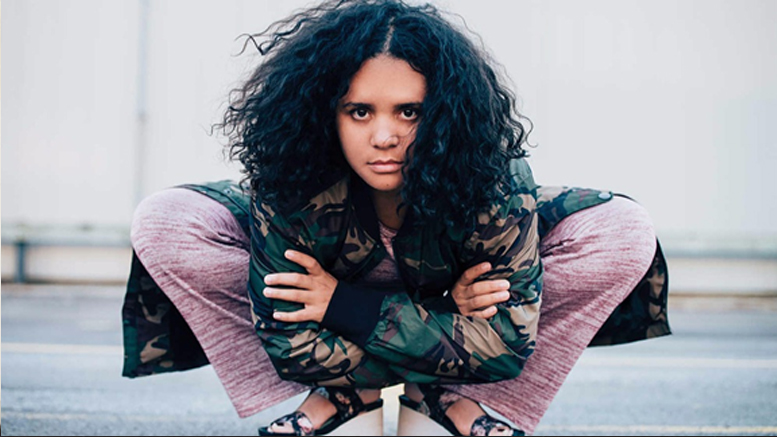
Alongside its Pacific Standard Time: LA/LA exhibition, Radical Women: Latin American Art, 1960–1985, the Hammer Museum presents an exciting series of concerts and performances. Performers include Latinx art pop pioneer Lido Pimienta; L.A.-based Sister Mantos; Sotomayor, the electronic music project of a Mexico City–based sibling duo; South Los Angeles band Sin Color; Chulita Vinyl Club, a DJ collective for womxn of color; beloved Mexican artist Astrid Hadad, and a genre-bending lineup of Los Angeles Latinx vocalists and musicians who will reimagine the songs of legendary Peruvian singer and longtime L.A. resident Yma Sumac.
Sep. 27, Oct. 17, Oct. 24, & Nov. 28
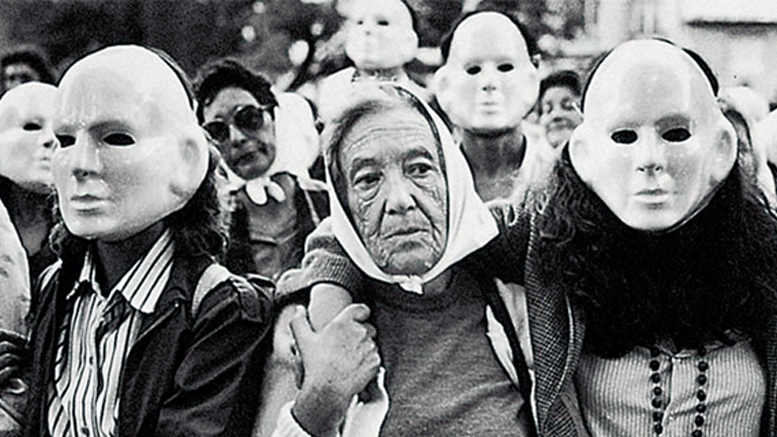
Throughout the fall, the Hammer Museum will screen a series of films related it its Pacific Standard Time: LA/LA exhibition, Radical Women: Latin American Art, 1960–1985. Screenings include Oscar-nominated Las Madres and Después de Terremoto both by Lourdes Portillo; Nadie es Inocente and San Frenesí, two films by Sarah Minter, a pioneer of Mexican experimental film; Chavela, a biographical film about the Costa Rica-born Mexican singer, Chavela Vargas, a tequila-drinking, cigar-smoking singer who went from a 14-year-old runaway to a world-renowned Grammy winner; a showcase of rare works by female filmmakers who carved out a place within the male-dominated world of Latin American independent film curated by Ángela López Ruiz; and No más bebés, a documentary tells the story of Mexican immigrant mothers who were forcibly or unknowingly sterilized while giving birth at the Los Angeles County-USC Medical Center during the 1960s and 1970s.
Ongoing through December
Radical Women Tours and Walkthroughs
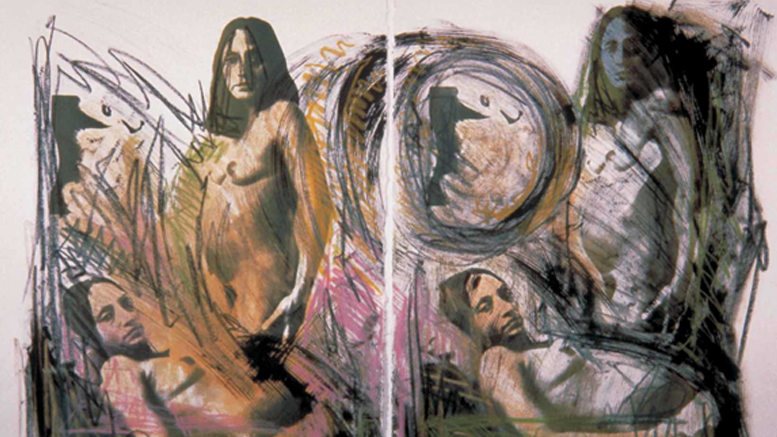
Throughout the course of the Radical Women exhibition, the Hammer offers more than fifteen tours and walkthroughs of the exhibition. From 30-minute lunchtime curator talks focusing on specific works, to in-depth tours of the exhibition with its curators, to walk-throughs with artists who discuss specific works that inspire and provoke them, these programs provide the opportunity to engage with, learn about, and discuss Radical Women.
At the Fowler:
Saturday, Sep. 23
Opening Celebration, Axé Bahia: The Power of Art in an Afro-Brazilian Metropolis
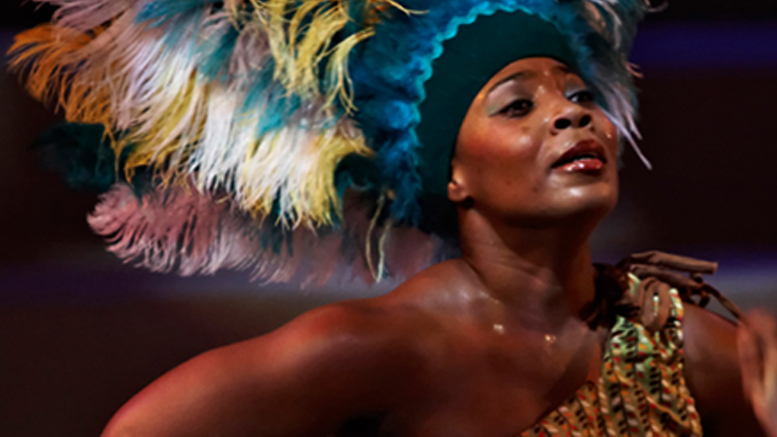
Axé Bahia: The Power of Art in an Afro-Brazilian Metropolis explores the distinctive cultural role of the city of Salvador, the coastal capital of the Brazilian state of Bahia, an internationally renowned center of Afro-Brazilian culture. Featuring more than 100 works from the mid-20th century to the present—including a stunning array of sculpture, painting, photography, video, and installation art—the exhibition explores the complexities of race and cultural affiliation in Brazil, and the provocative ways in which artists have experienced and responded creatively to prevailing realities of Afro-Brazilian identity in Bahia.
The opening celebration begins with a discussion on the exhibition as well as cultural traditions in Bahia between co-curator Roberto Conduru, Associate Professor of Art History and Theory at the Art Institute, Rio de Janeiro State University and contemporary artist Ayrson Heráclito. Then, Ayrson Heráclito presents Buruburu, a performance piece based on rituals in the Afro-Brazilian religion Candomblé. Later in the evening, award-winning LA-based company Viver Brasil illuminates Afro-Brazilian ancestral dance and music with a performance of Agô Ayó: Spirits Rising, as well as a samba showcase. Throughout the night, enjoy snacks and caipirinha cocktails by Sabor da Bahia.
Sunday, Sep. 24
Axé Bahia Opening Day Programs
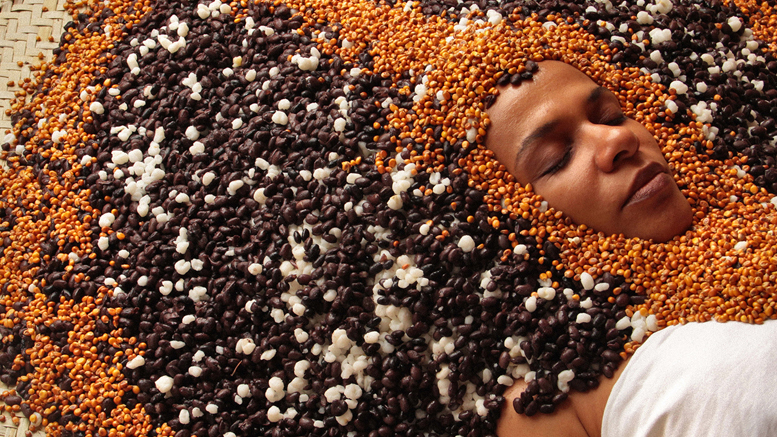
Join us for an afternoon of family-friendly activities to celebrate the opening of Axé Bahia: The Power of Art in an Afro-Brazilian Metropolis, exploring the distinctive cultural role of the city of Salvador, the coastal capital of the Brazilian state of Bahia, an internationally renowned center of Afro-Brazilian culture. Programs include a ritual blessing of the exhibition space by esteemed Candomblé elder Nancy de Souza e Silva, known as Dona Cici, including a samba showcase by LA-based dance company Viver Brasil; a gallery tour of Axé Bahia with exhibition curators; a drop-in family art workshop; and a tour of Lineage through Landscape: Tracing Egun in Brazil with the artist, Fran Siegel
Oct. 11, Nov. 8, Dec. 13
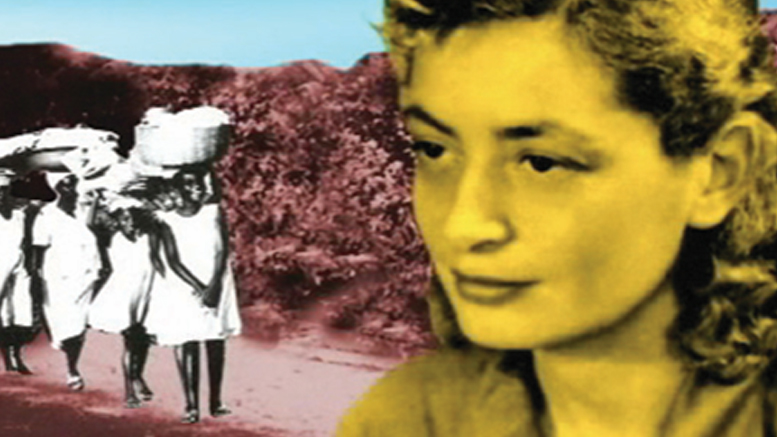
Curated by Randal Johnson, Distinguished Professor, UCLA Department of Spanish and Portuguese, this monthly series of documentaries, feature films, and artist films complements the exhibition Axé Bahia, showcasing Afro-Brazilian culture and identities.
Wednesday, Oct. 18
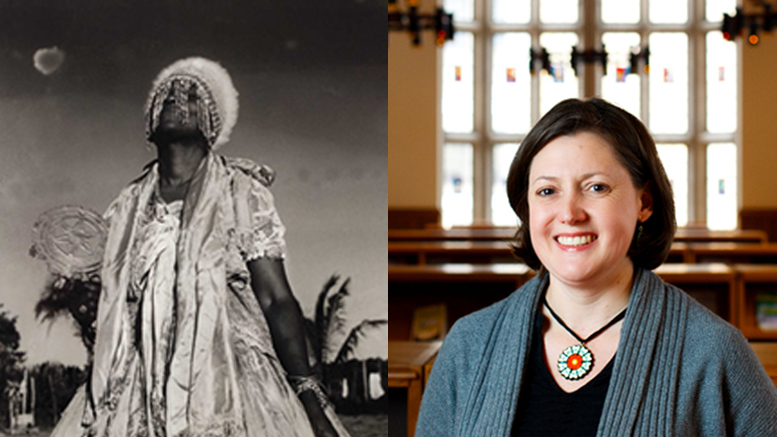
Art Historian Heather Shirley on Pierre Verger
While Pierre Verger’s images are rightfully appreciated as works of art today, many of the photographs that now hang on museum walls originally appeared in the context of popular Brazilian magazines. In this talk Art historian Heather Shirey examines the photographs of a Candomblé ceremony that appeared in the June 1949 issue of A Cigarra, and explores the relationship between Verger’s photographs and anthropological scholarship published by academic contemporaries in Brazil and abroad.
Saturday, Dec. 2
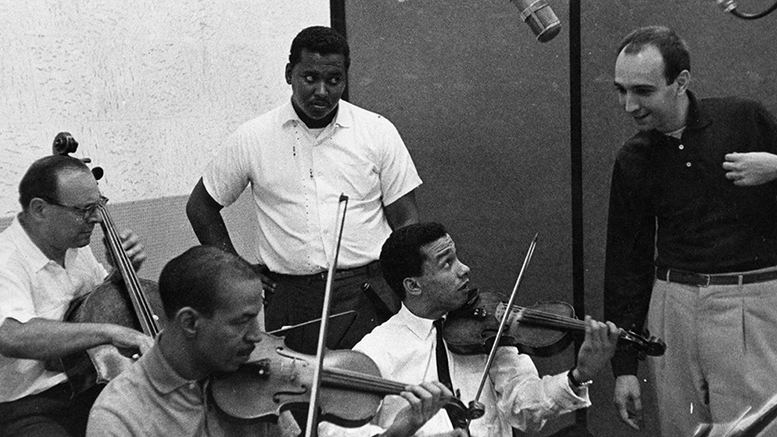
CAP UCLA Presents: That Bad Donato, The L.A. Brazil Connection
In 1970, legendary Brazilian pianist, producer, and arranger João Donato was working temporarily in Los Angeles and recorded A Bad Donato, an album that would become a classic of Brazilian instrumental jazz-funk music. This extraordinary evening at Royce Hall features performances by João Donato backed by Bixiga 70, and Bahia-raised Mateus Aleluia with L.A.-based Brazilian singer Thalma de Freitas, highlighting the importance of Brazil’s influence on the music of L.A., as well as the impact of L.A. on Brazilian music. Presented in conjunction with the Fowler Museum’s Axé Bahia: The Power of Art in an Afro-Brazilian Metropolis.
Ongoing through Dec. 10
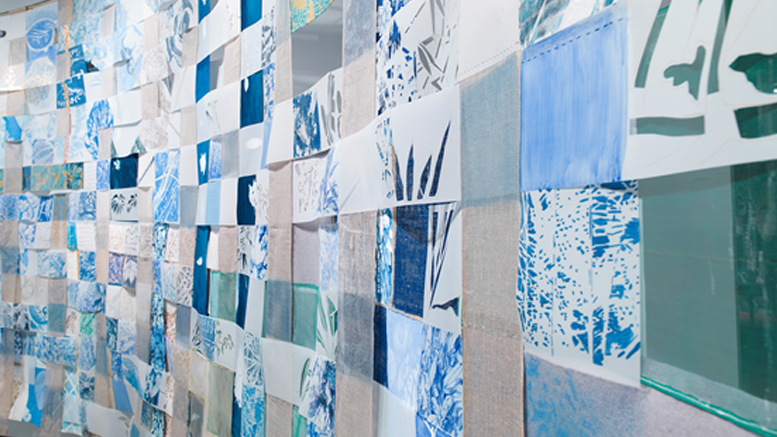
Lineage Through Landscape: Tracing Egun in Brazil by Fran Siegel
Lineage through Landscape: Tracing Egun in Brazil by Fran Siegel is a multifaceted drawing project developed during the Los Angeles-based artist’s research residency in Rio de Janeiro, São Paulo and the island of Itaparica, a vibrant center of the Afro-Brazilian religion Candomblé. A vast, forty-foot-long, irregular “weaving” made of strips of sun-exposed and patterned fabric crossed by lengths of delicate drawings of sacred plants on translucent drafting film and cyanotypes, the work will wrap around three walls of the Museum’s “Fowler in Focus” Gallery. Finding inspiration in the worship of ancestral spirits, or Egun, in the natural environment associated with Candomblé practices on Itaparica and in the vexed history of colonialism and slavery in Brazil, Siegel’s project can be read as a highly charged landscape of black Brazil, built from fragments that embrace its African roots.