Fine art prints seek to elevate, memorialize choreography from quarantine
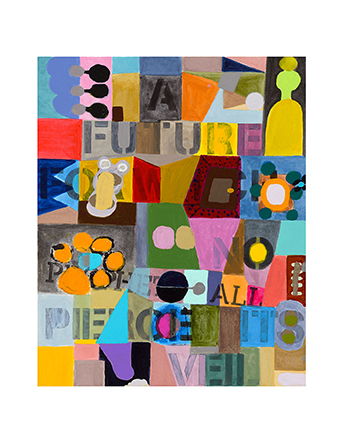
Choreographer's score by Ralph Lemon “The Choreographers’ Scores: 2020” turns dance into art that leaps off the page.
The Center for the Art of Performance at UCLA commissioned and published a collection of fine art pieces from 26 choreographers, each tasked with creating a dance score – to be turned into a fine art print by The Lapis Press – while in quarantine for the COVID-19 pandemic. CAP deputy director and program manager Fred Frumberg said the purpose of the collection was to provide a project for performing artists who were suddenly unable to work at the onset of the pandemic
“(The curator wanted) to give (choreographers) a chance to begin to actually conceptualize some of their new dance projects when they were not able to get into a rehearsal space,” Frumberg said. “It became an alternative for them to think through their next piece.”
One of the 26 choreographers, Ann Carlson, said the project proposal from curator Kristy Edmunds was timely because it allowed her to reflect on the impact of her past works. The visiting faculty member at World Arts and Cultures/Dance said when creating her score she began by toying with the role of footprints and how they are used to represent life in other art forms, like in Mary Stevenson’s poem “Footprints in the Sand.”
The drawing in the rest of the score, Carlson said, jumped out at her when she was cleaning out her personal archive of materials she had used for previously choreographed pieces. She said the score came from a choreographed work for an improvisational piece from the 1980s entitled “Friends” where the notations served as a representation of the space each dancer had to work in. Because the work also reminded her of the emotions surrounding her experience coming out, she said the project allowed her to take a piece that had such personal importance to her and add a tangible layer in the form of visual art to it she hadn’t considered before.
“Primarily, I work in a temporal form – a form that only exists in the moment,” Carlson said. “… It’s a delight to consider an object that represents that moment in time and then has all these other layers of meaning, too.” — Laura Carter, Oct. 8, 2021


This post is an excerpt. Read the full article on the Daily Bruin website.
HEADER IMAGE: (Dani Nalangan/Daily Bruin)
Stay engaged. Use #UCLAarts to stay connected.


