Even as NFTs Plummet, Digital Artists Find Museums Are Calling
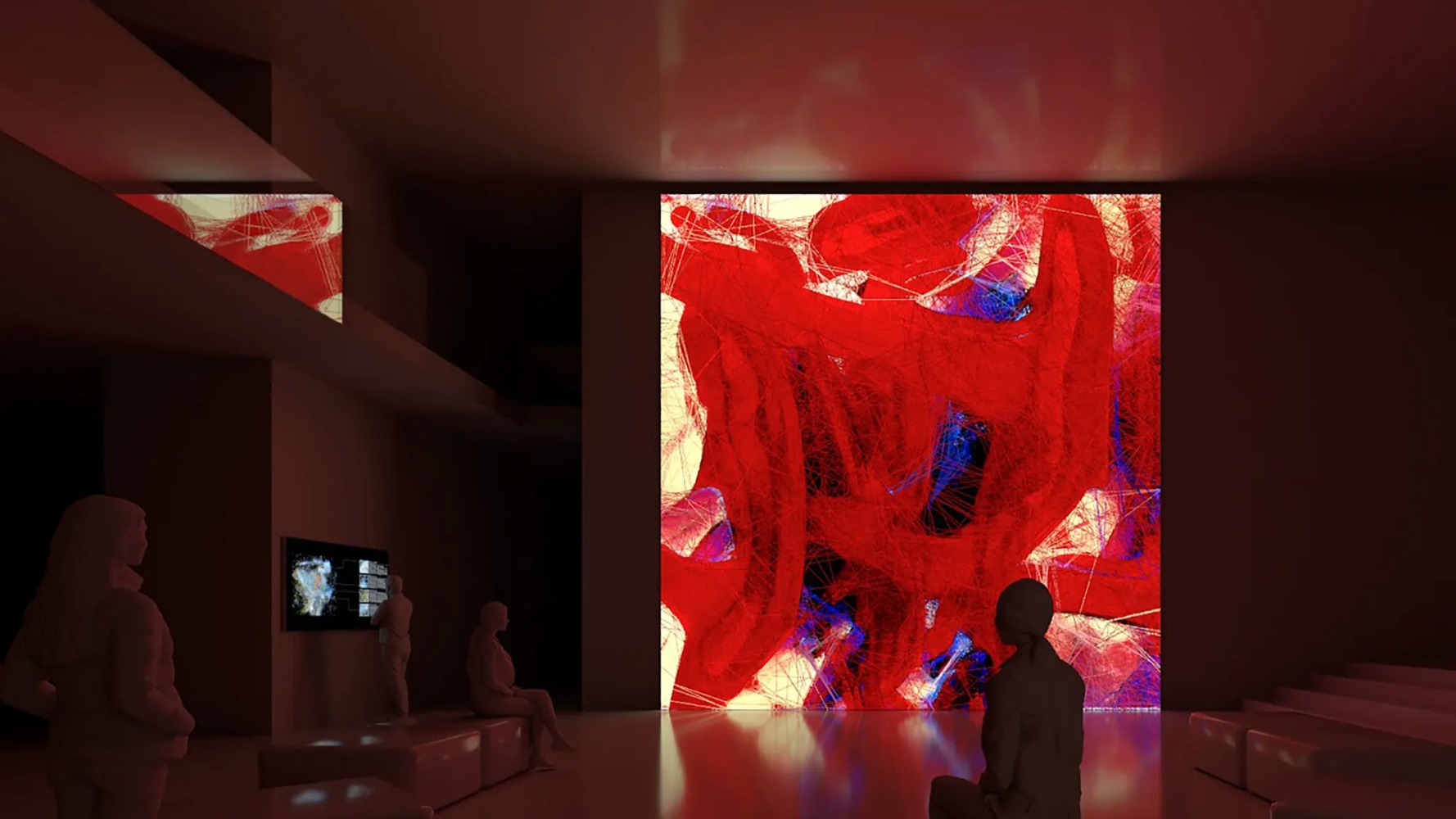

The Museum of Modern Art’s lobby will glow this winter, not by the twinkling lights of the holiday season but the swirling datascapes of a digital artist whose popularity rose during the speculative frenzy around NFTs.
Last year, Refik Anadol plugged more than 138,000 images and text materials from the museum’s publicly available archive into a machine-learning model to create hundreds of colorful abstractions that he called “machine hallucinations,” selling them as NFTs, or nonfungible tokens.
It was the beginning of a quiet partnership between Anadol, a 37-year-old Turkish American artist, and the MoMA curators Michelle Kuo and Paola Antonelli — and it was a financial boon for both parties. Some of the blockchain-based artworks wound up selling for thousands of dollars, with the most exclusive one selling for $200,000. Within the fine print of the transactions was a note that the museum would earn nearly 17 percent of all primary sales and 5 percent of all secondary sales. For MoMA, struggling with pandemic attendance drop-off — from about three million in normal times to 1.65 million last fiscal year — growing a digital audience makes good financial sense.
This post is an excerpt. Read the full article on the NY Times website. Read more about Refik Anadol.
Stay engaged. Use #UCLAarts to stay connected.


