David Shorter: Ancient approaches to healing
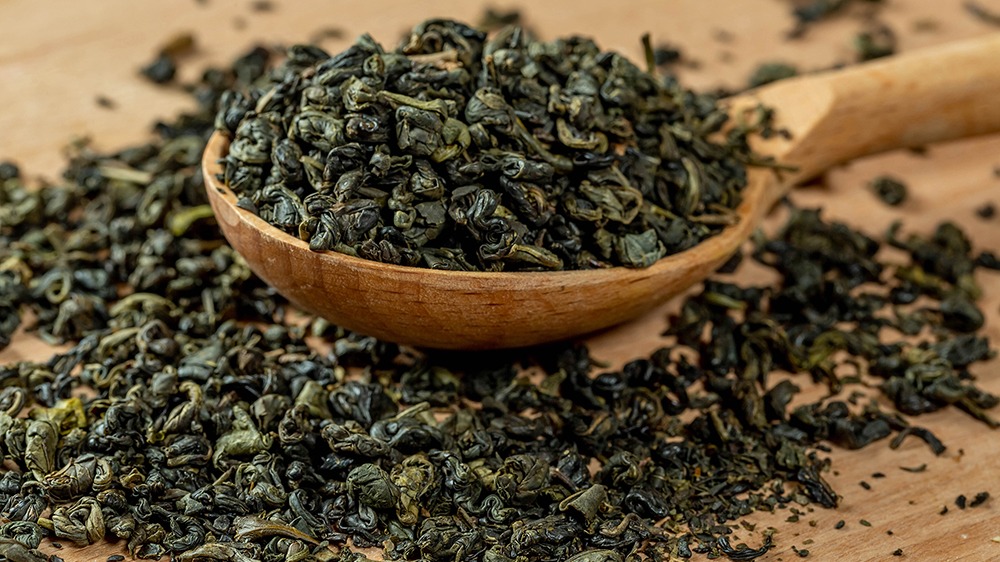
Many healing practices from past eras and cultures have been lost to time, but a decades-long effort to save and catalog those traditions has resulted in The Archive of Healing, the largest database of medicinal folklore from around the world.
The project was initiated over 40 years ago, when Prof. Michael Jones began collecting knowledge from anthropologists and fieldworkers on healing practices. By the time he passed away, there were over a million note cards that contained information on the healer, the location, the ailment and the approach to healing. Another professor, Wayland Hand, took it over, digitized it, then retired.


Dr. David Shorter, a professor in the department of World Arts and Cultures/Dance at UCLA and the current director of the archive, has reorganized it with an eye to social sharing and allowing for users to submit new data and comment on existing data. A curated version of the archive is set to be published later this year. It includes entries on everything from midwifery and menopause to common colds and flus.
“The whole goal here is to democratize what we think of as healing and knowledge about healing and take it across cultures in a way that's respectful and gives attention to intellectual property rights,” he said.
Of particular concern is making sure a pharmaceutical company can’t mine the data and profit from indigenous knowledge. He excluded information that would allow a “resource extractive model of knowledge sharing.”
“It doesn't mention particular plant names or combinations that someone can make a lot of money off of, unless of course that information is generally known already or there's no way to locate where that information came from," he said.
Shorter is the author of “We Will Dance Our Truth,” which grew out of 23 years of fieldwork with the Yoeme communities in northwest Mexico, and he created an online tool that indigenous groups could use to preserve their languages. Much of his work focuses on the myths and rituals of native people around the globe.
He spoke to the UCLA Arts podcast Works In Progress about traditional healing practices that can benefit us, especially in a time of widespread sickness and anxiety.
Story by Avishay Artsy
Stay engaged. Use #UCLAarts to stay connected.


