David Gere: Making Dances in an Epidemic
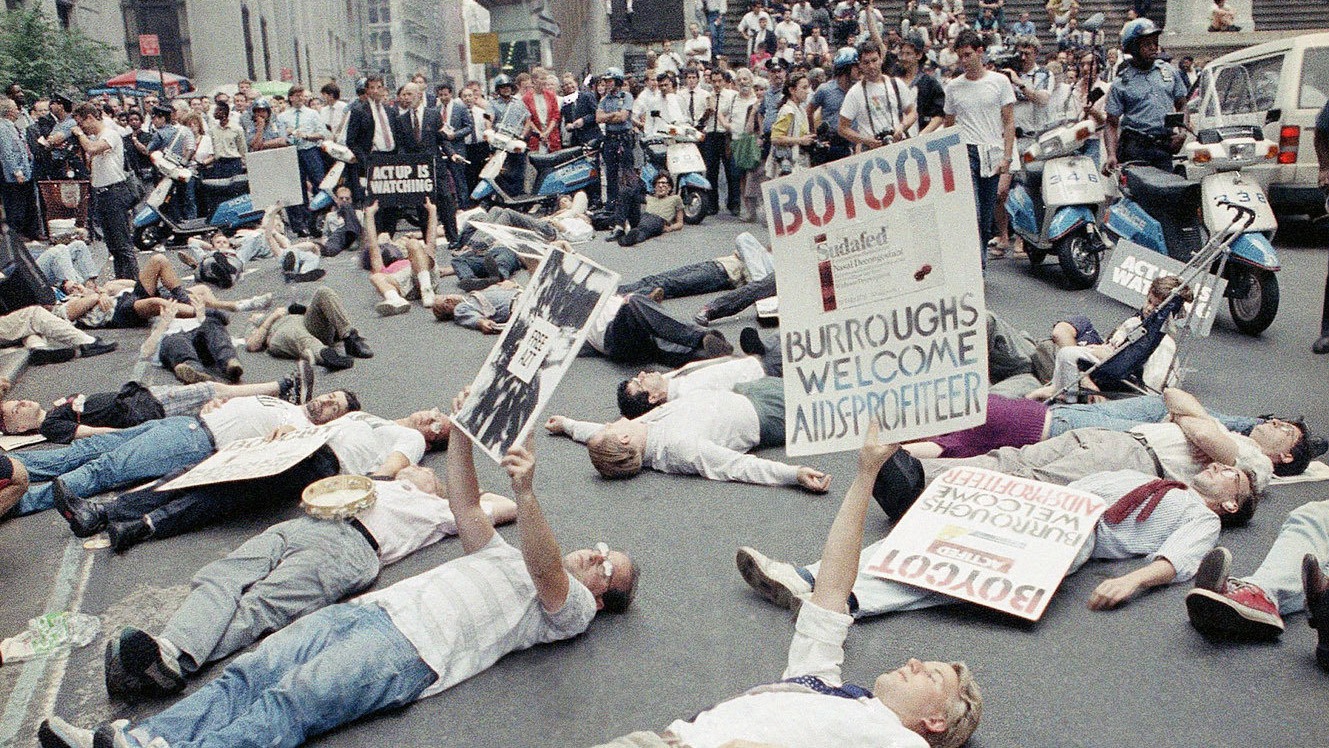
Artists took to the streets to protest government inaction in response to the AIDS crisis. What lessons can a new generation apply to COVID-19?
In the mid 1980s, just as young gay men were beginning to die of a mysterious plague, David Gere moved to San Francisco to be a dance critic. He went to see everything from experimental dance to the San Francisco Ballet, and began to see dancers and choreographers react to the fear and despair surrounding HIV and AIDS.
"I began to recognize... that dance had the capability to do that in ways that transcended what other art forms could do,” Gere said. "There is something about the fact that in the dance medium, it is the body itself that's doing the performing, that allows the resonance of metaphors to be as strong as they could possibly be."
In the early years, the dance work was elegiac, expressing mourning for the passing of friends and loved ones, Gere said, but that gave way to work that was more activist and militant. Groups like ACT UP, the AIDS Coalition to Unleash Power, took their complaints to the streets, demanding that the government invest in drug research and allow the use of experimental drugs that could save lives.
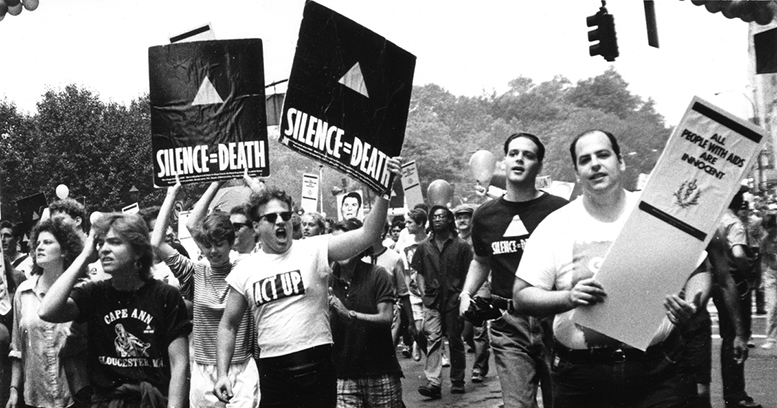
Members of ACT UP participate in the Gay and Lesbian Pride march in New York City, June 26, 1988. THE NEW YORK HISTORICAL SOCIETY / GETTY IMAGES
Gere is a professor in the Department of World Arts and Cultures/Dance, and director of the Art and Global Health Center at UCLA. The research center sponsors the UCLA Sex Squad, a theater troupe that educates young people about sexual health. It also organized the Through Positive Eyes exhibition at the Fowler Museum, which shared the photographic stories of people living with HIV/AIDS, while creating a space to have taboo conversations.
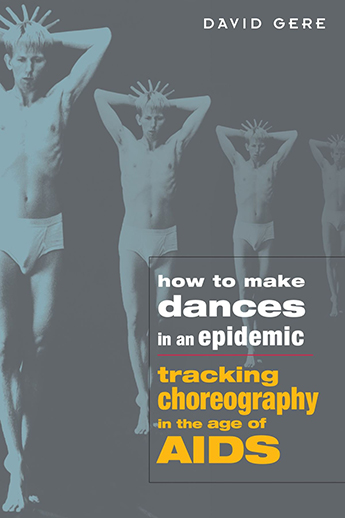
Gere also wrote about the dance community’s response to AIDS in his 2004 book “How to Make Dances in an Epidemic: Tracking Choreography in the Age of AIDS.”
“It was so clear that the artists could actually do something, could help in a way that transcended just the sharing of information," Gere said.
Gere cites the art historian Douglas Crimp, who argued in a late 1980s essay in the influential art journal October that artists could do more than hold fundraisers and raise awareness around the epidemic – they could actively fight to end it by challenging the structural inequities that allowed the disease to spread.
"From my standpoint, ACT UP has the capacity to be seen as a dance group, which is to say that there was a physicality about what they were doing. There was a performance aspect of what they were doing," Gere said.
Aesthetic forms of self-expression are already appearing in response to the novel coronavirus pandemic, from TikTok dance videos to designer face masks to street murals, and Gere says there will be much more to come, especially art with an eye to the November election.
“Some of it's going to be in galleries and some of it's going to be on the street. Some of the movement that we see is going to be in a theater and some of it is going to be in a parade,” he said. “And I fully expect that it will be some of the most intelligent and vibrant and amazing artwork that has been made in a century. And it's because of the pressure point that we're at right now.”
Story by Avishay Artsy
Stay engaged. Use #UCLAarts to stay connected.