Dancing through Dark Times
Public Books review Professor Susan Leigh Foster's new book, Valuing Dance
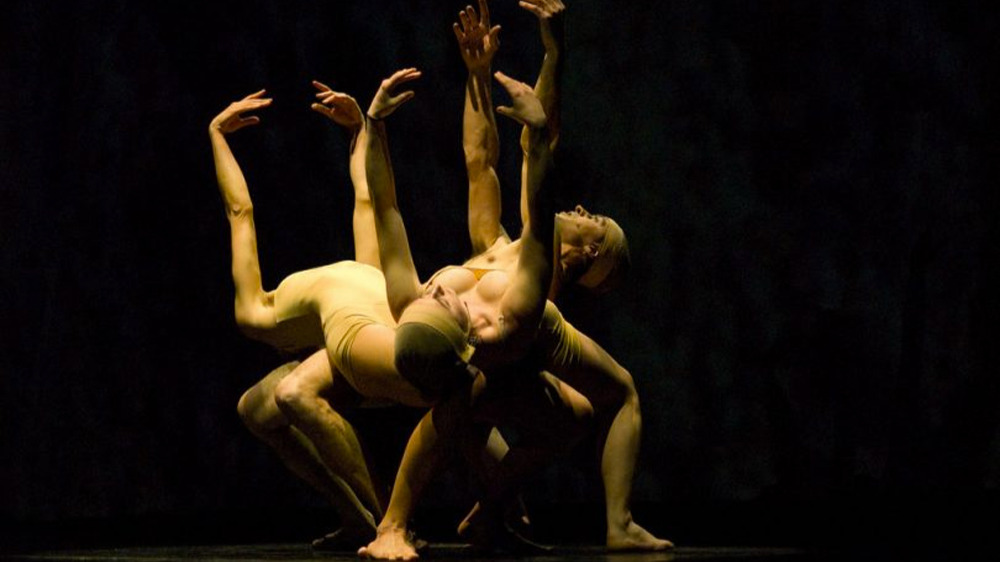
Department of World Arts and Cultures/Dance Distinguished Professor Susan Leigh Foster recently released a new book: Valuing Dance: Commodities and Gifts in Motion. Her research and teaching focus on corporeality, dance composition, interdisciplinary exchange, and the politics of everyday life.
"What can dance contribute to the contemporary politics of resistance? If politics is about movement—uprising, oppression, resistance, setback, advance, retreat—then what can dance, the art of movement, teach us today? A trio of books from dance practitioners and scholars urge that, until we learn how to be bodies in the 21st century—and, in particular, bodies moving in relation to space, time, and other humans—we cannot access avenues to personal healing, community cohesion, and social equity.'It’s astounding the first time you realize that a stranger has a body—the realization that he has a body makes him a stranger,' James Baldwin wrote in If Beale Street Could Talk. 'It means that you have a body, too.' There are so many ways to feel like a stranger, and be made into a stranger, based on the body’s particularities. Yet being and using a body can also be grounds for commonality. Recent books by Susan Leigh Foster, Ann Cooper Albright, and Anna Halprin emphasize a deeply physical understanding of resistance while highlighting dance as essential to its repertoire. Rather than positioning us on the frontlines of a police barricade or in the halls of Congress, these books put us among our neighbors, seeking movement in common.
'Resist!' The one-word slogan has galvanized a range of anti-Trump forces. When we think of the arts of resistance, we think of music as well as of elements of visual culture like graffiti, posters, murals, patches, and buttons. They evoke flashpoints of creativity during the 1960s and 1970s; for instance, the South African anti-apartheid movement, the British punk rebellion, and the anti-war and civil rights movements of the United States. Never dormant, cultural forms of resistance have ignited in the US once again, with the election of President Donald Trump. 'Resist!' The word evokes movement—and movement repelled."— , Public Books

This post is an excerpt. Read the full article on the Public Books website.
Stay engaged. Use #UCLAarts to stay connected.


