Covid will not squash our deep-seated need to dance
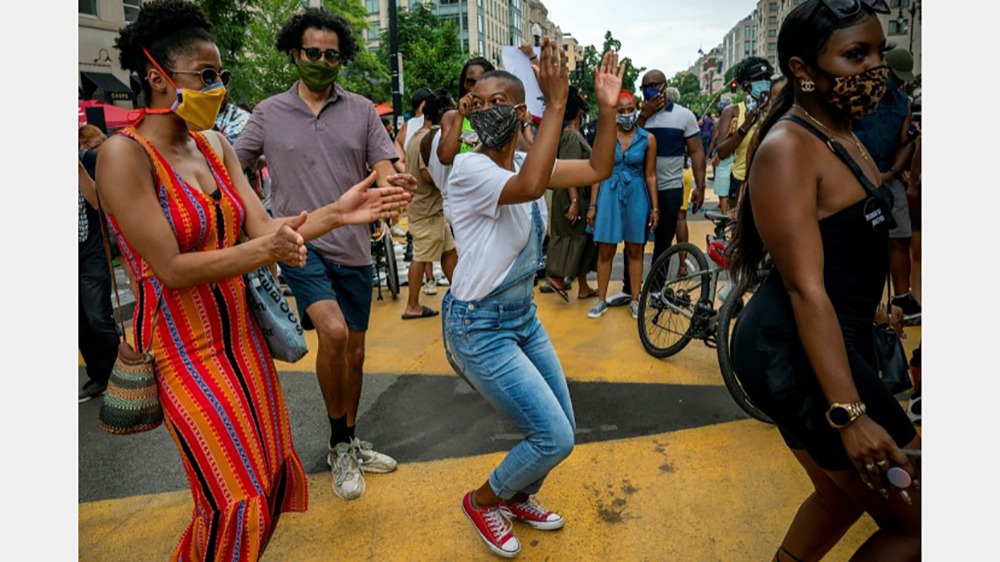
Dance and performance have always been a critical element of gay rights activism, says World Arts and Cultures/Dance professor David Gere. Although dancing and clubs may now feel like a distant memory, history shows that our culture of dance will be reborn. The need to dance comes from a primal, innately human urge which will not be lost after the COVID-19 pandemic.
"The last time I stood on a dance floor was in March 2020. It was a jumble of swinging limbs and rotating bodies, hopping to the rhythm. A woman in a technicolour top twirled on the spot and spilled a sticky drink down the back of a man making shapes in front of her. He didn’t notice. A thread of friends wove their way conga-style through the throng and elbowed past a couple swaying together unsteadily. They didn’t stop. Everywhere people hugged and kissed. Weeks later, all of this would be both feared and forbidden.
The pandemic has deprived us of something that binds people together and gives great joy — but history suggests that it will bounce back
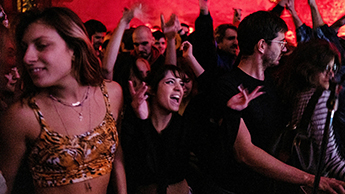

One year on, disco balls still hang over empty rooms, salsa classes are on ice and wedding venues remain absent of intergenerational twirling. Festivals are off limits and carnivals cancelled. Even outside of traditional events and venues, the opportunity to gather and dance is an experience the pandemic has denied us almost completely.
History has shown how times of crisis can disrupt the dance floor — and reshape it. During the 1918 influenza pandemic, many dance halls in the US and Britain were closed and people endured similar social distancing measures as today. During the first world war, a shortage of men meant there were fewer dance floors, while in Paris public dances were banned during the war altogether.When normality returned, dance clubs flourished. The Roaring Twenties and the Jazz Age saw years of pent-up energy — as well as trauma and grief — burnt up on the dance floor with wild, energetic dances such as the Charleston. Flapper girls shortened their skirts and shimmied off the shackles of Victorian femininity. “There was something in the air,” wrote Eric Burns in 1920: The Year that Made the Decade Roar. “The beat of distant music, music that had never been heard before, making those who felt it celebratory, eager to twist their bodies into contortions new and lascivious, unable to sit still.”"— Will Coldwell, Mar. 1, 2021

This post is an excerpt. Read the full article on the Financial Times website.
Read more about David Gere.
Stay engaged. Use #UCLAarts to stay connected.


