Code Art Rooted In An Unlikely Era: The 1960s
Like Sol LeWitt's instruction-based art, Casey Reas programs his pieces and the computer executes
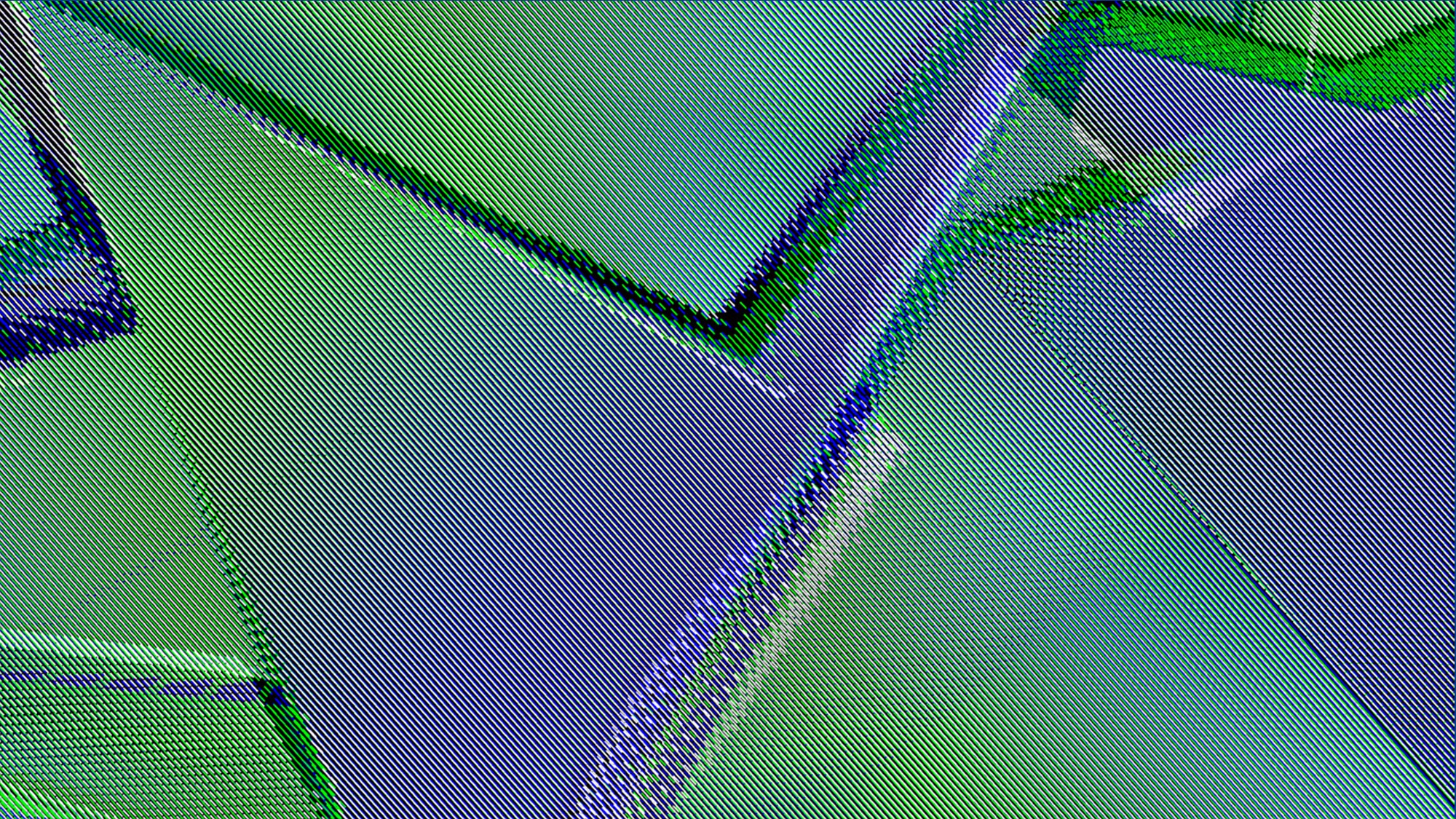
Fast Co. Design reviews Design Media Arts Professor Casey Reas' exhibition at Bitform Gallery, and explains how his coding-based work is grounded in art history.
"'The idea becomes a machine that makes the art,' artist Sol LeWitt famously wrote in a 1967 piece for Artforum titled Paragraphs on Conceptual Art. For LeWitt, that meant creating instructions for his intricate geometric line drawings that would be executed later by a team of artists. As one of the principal originators of the instruction-based art of the 1960s, LeWitt inspired a movement in which the concept and planning was the artwork—the execution merely a routine that could be performed by anyone.
Half a century later, the artist Casey Reas is applying similar ideas to generative artwork, which is programmed beforehand, then executed—or performed—by virtue of a computer program. For Reas, the 'machine' LeWitt talked about is literal.
In his new show, There's No Distance, opening this weekend at bitform gallery in New York, Reas explores the notion of conceptualizing and performing through software-based art. 'Working with code was native for me,' he says. 'It was just naturally how I made work, but I wasn’t able to find a lot of precedent for that in the art world, looking at paintings, films, etc. It wasn't until I researched conceptual art that I was able to make a connection with art practice and working with code.'"— Meg Miller, September 9, 2016

Read the full article at the Fast Co. Design website.
Read more about Professor Casey Reas' exhibition at the Creators Project Website.