Christina Novakov-Ritchey: Melting the fear
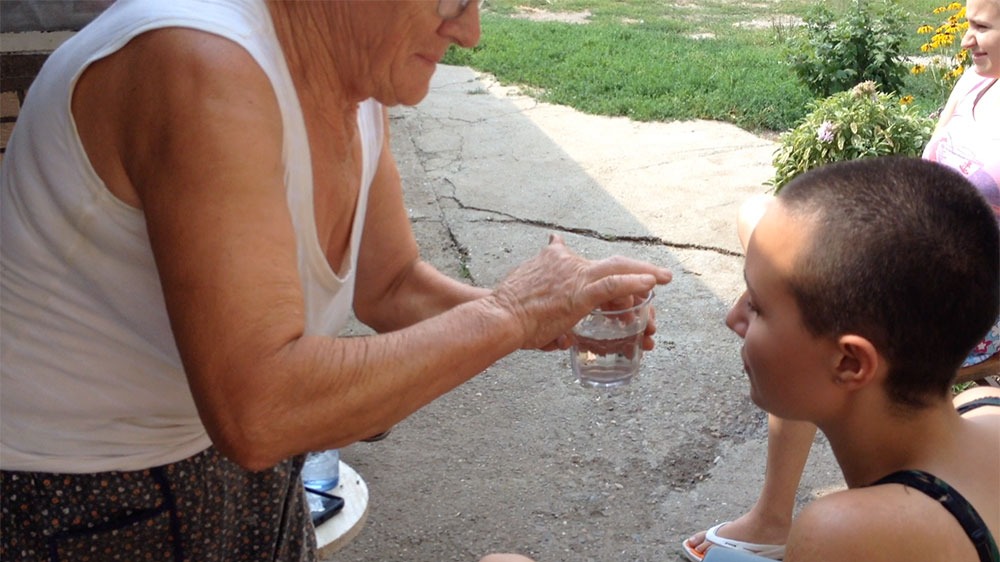
Alongside modern medicine – the hospitals, doctors and nurses – are more traditional practices of healing. Think of performative rituals that come from Africa, from Haiti, from Latin America and elsewhere. These practices are not peer-reviewed in scientific journals. But they are forms of indigenous knowledge that date back hundreds of years, and they take into account the overall wellness of the individual and the community.
Christina Novakov-Ritchey studies folk practices of peasants and villagers in the Balkans, the area of Southeastern and Central Europe where Yugoslavia was until it broke up in the early 1990s. Novakov-Ritchey is a doctoral candidate in the World Arts and Cultures/Dance department at UCLA, and spoke to the UCLA Arts podcast “Works In Progress” about a ritual form of chanting called bajanje, which roughly translated means "incantation," and is used to treat mental and physical illnesses.
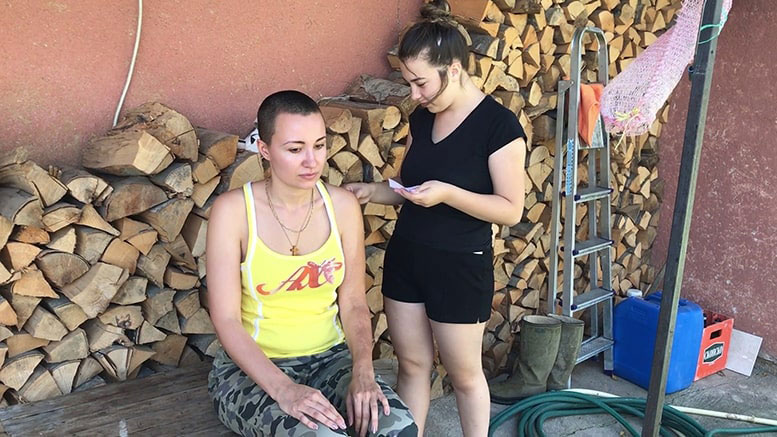
Christina Novakov-Ritchey, 2017, video still of bajacki treatment
One method that can be found in central Europe and the Balkans is called salivanje strave, which means "melting the fear" or "pouring the fear." Novakov-Ritchey describes a Bosnian woman who lives in Macedonia and performs this ritual. It involves the melting of a small piece of lead and then pouring the lead into a pot of water. The healer will determine from the contours of the lead, and through conversations with the patient, what the source and remedy of the illness is.
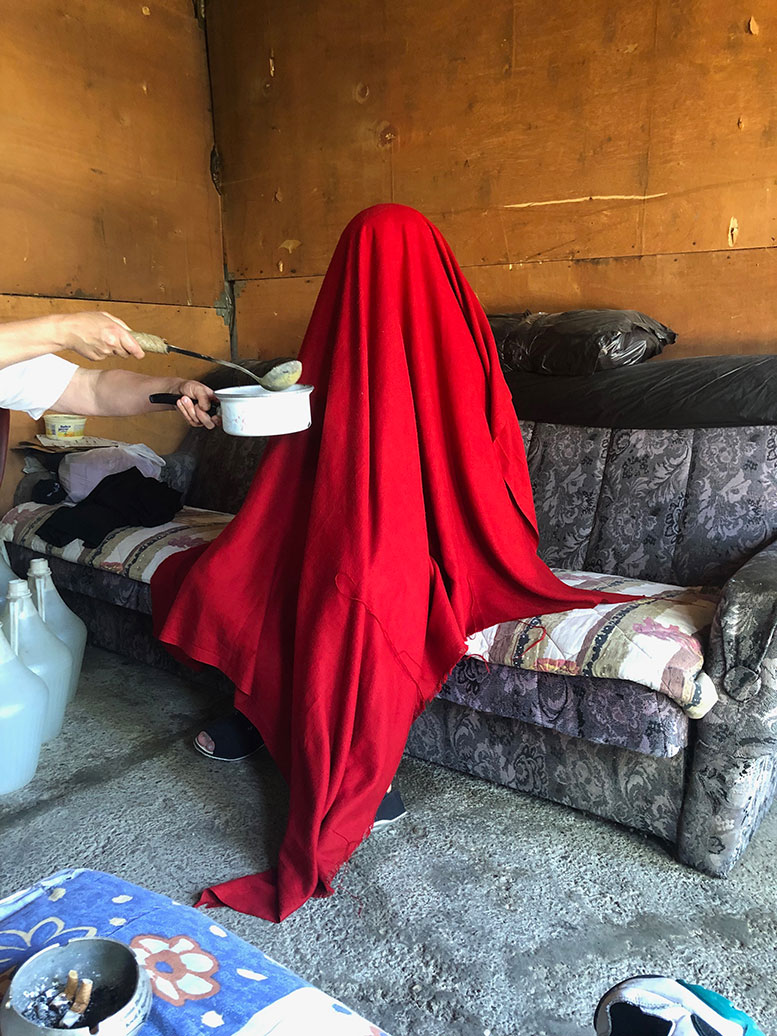
Christina Novakov-Ritchey, 2019, photograph during salivanje strava
Bajanje, says Novakov-Ritchey, "isn't just treating problems that are individual, but it often looks at how collective problems or community problems are causing illness. If you're thinking about, say, the problems that arise from a lack of reciprocity and social relations, or from stealing, or there's illnesses that come about from hoarding things, like having too many livestock or too much wealth, essentially that turns into a type of illness. And I think that understanding of how broader social issues and the breaking of social contracts and social responsibility manifests in illness, there's something about that that really resonates for me."
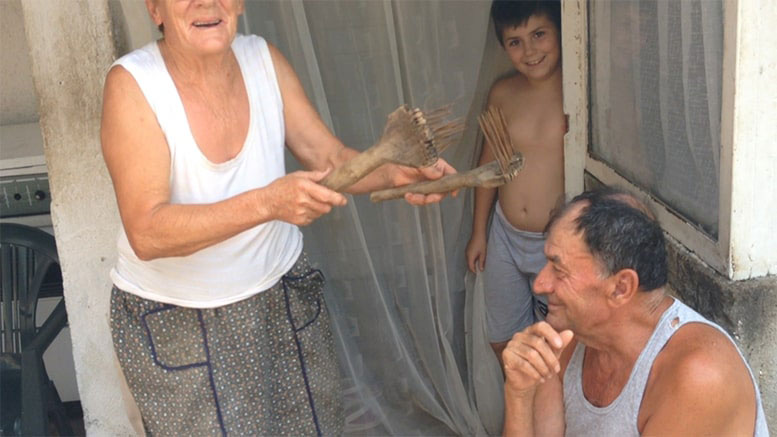
Christina Novakov-Ritchey, 2016, video still of bajacki treatment
The novel coronavirus "is revealing the much deeper structural problems of care and health that are in our society at large," including the value we place on labor and the environment, Novakov-Ritchey said.
"I don't think we can talk about the pandemic as just being an issue of this virus that's out of control and that we don't understand how it works. The conditions for the virus to flourish are structural. And they are set up by the economic system that we live in, and how borders function, and which human lives are valued or not. The pandemic needed those conditions in order to explode in this way. And so I think that it's important to reflect on how the social and the individual, physical body relate to each other right now."
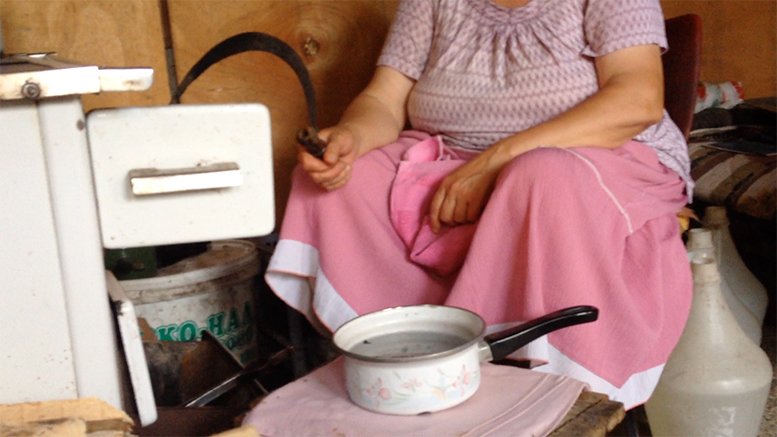
Christina Novakov-Ritchey, 2016, video still of salivanje strava
Story by Avishay Artsy
Stay engaged. Use #UCLAarts to stay connected.


