Choreographer Kyle Abraham on race, the MacArthur curse and dancing to Kendrick and Kanye
Choreographer Kyle AbrahamChoreographer Kyle Abraham and his company, Abraham.In.Motion, will perfor
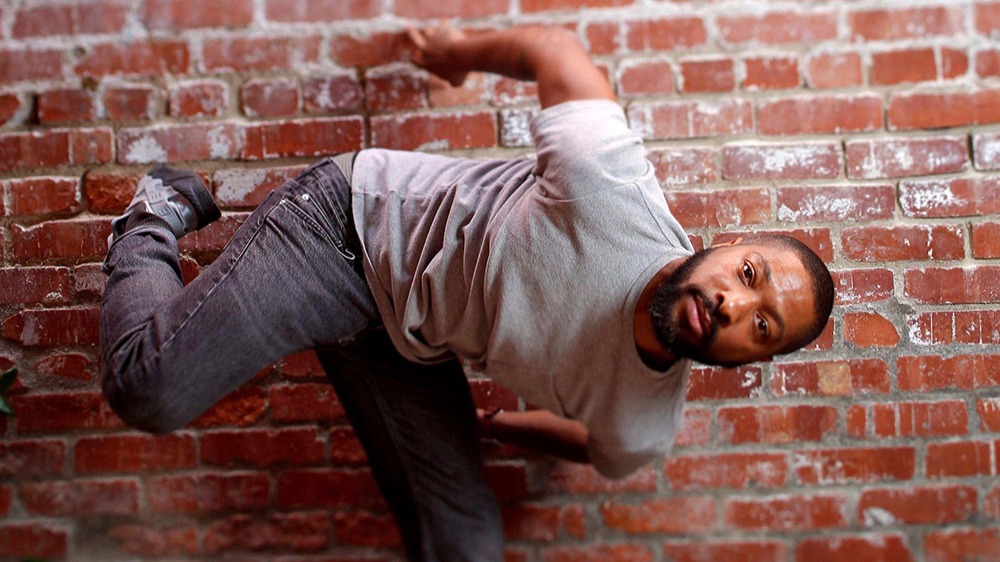
Acclaimed choreographer and UCLA Arts professor Kyle Abraham's company Abraham.In.Motion will perform at the Broad Stage in Santa Monica as part of the Los Angeles Dance Festival. Abraham will also teach a master class as part of the festival program.
In the Brockus Project Studio downtown, acclaimed contemporary choreographer Kyle Abraham is giving a master class as part of the ongoing Los Angeles Dance Festival. Wearing loose black pants and an olive T-shirt that reveals his powerful, compact physique as well as a gallery of arm tattoos, he guides 12 women through increasingly complex movement combinations — including an excerpt from one of his past works. A sense of easy, convivial mastery pervades the room.At 39, Abraham is establishing local roots — a home in Eagle Rock, teaching responsibilities at UCLA, classes and performances in community venues. On Friday and Saturday his company, Abraham.In.Motion, dances at the Broad Stage in Santa Monica. But his Southland calling card this year was “Untitled America,” a dark, uncompromising study of personal and societal imprisonment that prompted explosive ovations when performed by the Alvin Ailey American Dance Theater at the Music Center in March.
Abraham is no stranger to ovations, having won nearly all of the most prestigious dance awards, as well as a coveted MacArthur Fellowship, the so-called genius grant that comes with a stipend of $625,000. But in an interview, Abraham’s sunny charm yields to repeated expressions of self-doubt — what he calls unplanned shifts in his personal life and career that included a two-year period in which he stopped dancing because of what he terms a near-suicidal response to making onstage mistakes. The conversation has been edited for length and clarity.
How would you describe your movement style to someone who has never seen your work?
What I usually say in an elevator pitch is that it’s a postmodern gumbo. I like to explain what we do as a hybrid of movement sensibilities inspired by a lot of postmodern, modern, contemporary and ballet forms and even some social-dance vernaculars as well.
Having that and a start in rave culture, and being raised at a time when hip-hop was being birthed, I think all of that finds its way into the way I improvise. The root is probably social dance because that is my origin. I’m a big club kid. I still go out and dance in the clubs. It’s a great release for me in a way that’s not the same with concert dance. At a club I’m off in a corner, not dancing for anybody but myself. — Lewis Segal, May 3, 2017

Read the full article at the Los Angeles Times website.