Augmenting Perception: An Interview with media artist Refik Anadol
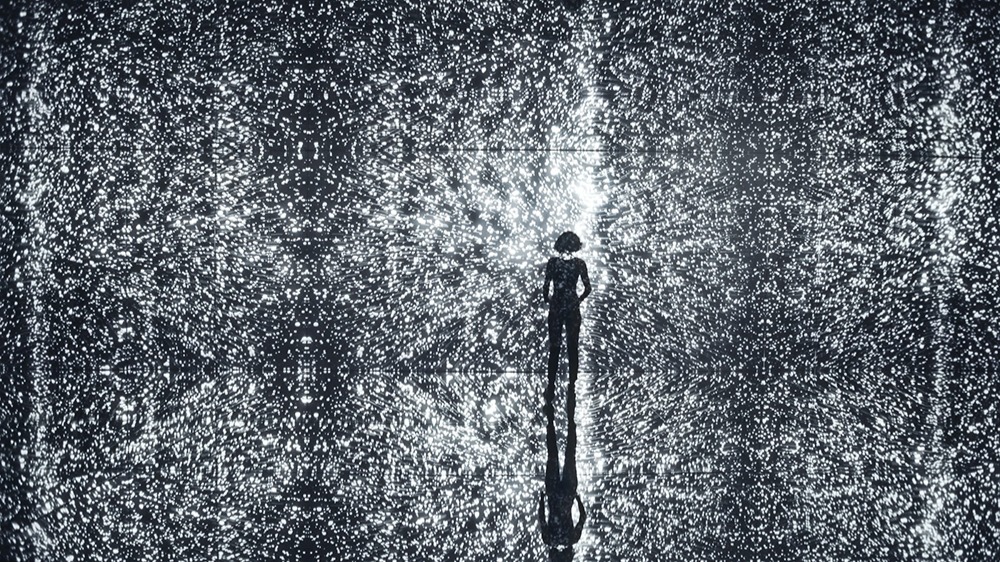
Alum and Visiting Assistant Researcher Refik Anadol (Design Media Arts, MFA '14), works in the fields of site-specific public art and live audio/visual performance with an immersive installation approach, particularly his works explore the space among digital and physical entities by creating a hybrid relationship between architecture and media arts.
"Refik Anadol is a Turkish-American media artist who is broadening the possibilities of art today and in the future. Rather than paint or marble, he uses artificial intelligence and data as material to create mesmerizing visuals that he refers to as “data sculptures” and “data paintings,” as well as immersive installations. Similar to the changes in the history of art with the invention of the paint tube or photography, he is thoughtfully using new innovations to create art in the 21st century. He does so by using technology that is becoming increasingly embedded in our daily lives: computers, data, coding, and artificial intelligence. How, through AI and coding, can one arrive at visuals that look like water accompanied by hypnotic audio, and are created from marine radar data sets? He is also inspired by the idea of bringing architecture, or the world around us, into the future — what if a building had a consciousness, and could dream?
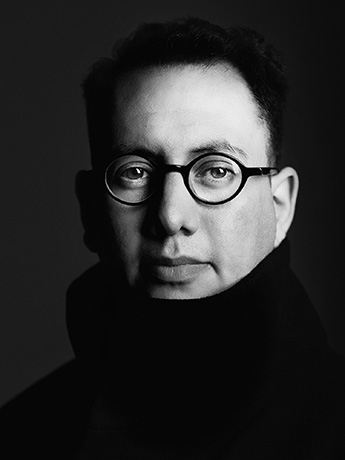
Refik Anadol. Photo by Serge Hoeltschi

He pursues these ideas with his studio: a diverse group of architects, musicians, computer programmers, and scientists that he collaborates with in order to continue widening an already large scope of possibilities for pieces. It seems as though one of Anadol’s deepest wishes is to be able to warp time and space, all while still remaining on Earth. He creates environments such as the Infinity Room, where viewers are susceptible to lose their perception of what he refers to as our “biased world”: a world wherein we are subject to gravity and other nuisances. By harnessing the invisible, such as data collected from wind or neurological data from brain scans of memories and dreams, he creates pieces that are alive, undulating and moving, and some of which evolve in real time." — Alexandra Gilliams, Oct. 20, 2020
This post is an excerpt. Read the full article on the XIBT Contemporary Art Magazine website.
Stay engaged. Use #UCLAarts to stay connected.


