At Work With: Kyle Abraham
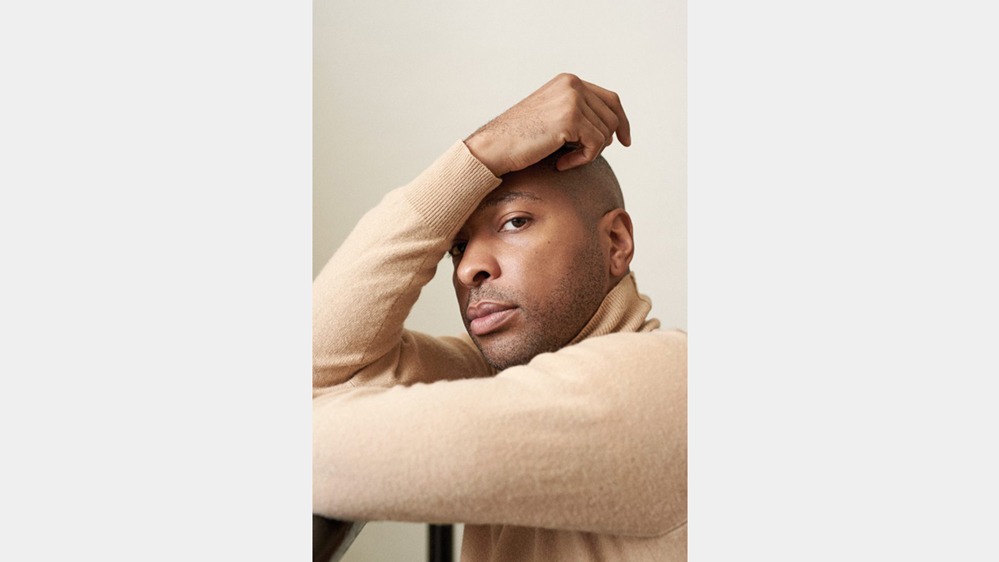
"In a New York studio, the choreographer dances, rehearses and breaks down the meaning of his “postmodern gumbo” technique with Djassi DaCosta Johnson.
On working with New York City Ballet, Abraham says, “I felt pressure to represent so many different worlds.” In a rehearsal studio at New York Live Arts, Kyle Abraham is leading his dancers like a conductor. He moves his fingers in sync with their legs as they dance through the space in athletic, sinuous formations. At one point he begins dancing himself; gliding into the middle of the room, his body alternating between animated pop-like sequences and languid balletic undulations. “Yes!” he says. The room buzzes as the dancers finish the piece, clapping for each other and collapsing to the floor. Abraham pauses, then asks with a smile, “Are you okay?”
Abraham, born in Pittsburgh, Pennsylvania, knows the two sides of this relationship equally well. In his 20s, he worked as a dancer for various companies before striking out in 2006 and founding his own: Abraham In Motion. In the 13 years since, he has built a fan base—and been the recipient of awards including a MacArthur Fellowship—for his choreography, which incorporates a powerful understanding of American vernacular movement. He has used his platform to comment on the human condition and the black experience in America, while also challenging sexual stereotypes.
We sat down before his rehearsal to talk about his most recent, celebrated, work for New York City Ballet—“A paragon of outsider infiltration,” in the words of one Financial Times critic—and what it will take to break the patriarchy within the dance world.
You’re a choreographer, but also a dancer in your own right. Do you have a daily dance practice?
I call what I do a “postmodern gumbo” because I’m taking things from all different modern dance techniques and genres, and kind of using them as a movement vocabulary. My warmup varies and depends on if I’m dancing. If I’m going to be dancing or doing some of my own work that day, I’ll probably do my own warmup that I’ve made up. If it’s a rehearsal, I like to start with my goals for the day, just writing them down for a little bit of clarity, and then I’ll dive into the physical practice."


This post is an excerpt. Read the full article on the KINFOLK website.
Stay engaged. Use #UCLAarts to stay connected.


