Art Insider: ‘Made in L.A.’ 2020 is still closed to the public. We take you inside
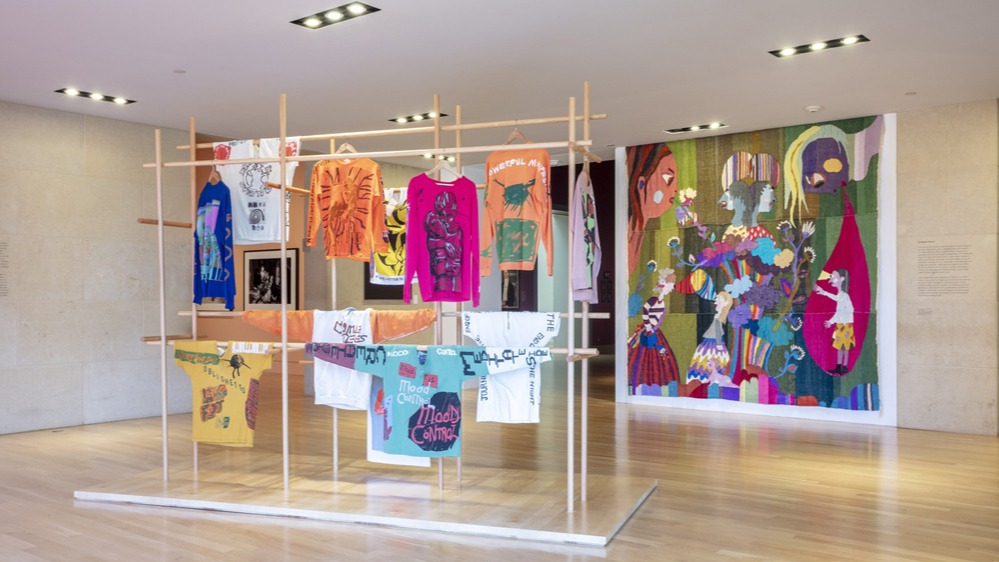
The Hammer Museum and The Huntington Library, Art Museum, and Botanical Gardens present Made in L.A. 2020: a version, the fifth iteration of the Hammer’s biennial exhibition highlighting the practices of artists working throughout the greater Los Angeles area. Cocurated by Paris-based curator Myriam Ben Salah and L.A.–based curator Lauren Mackler with the Hammer’s Ikechukwu Onyewuenyi as assistant curator of performance, the biennial’s two venues create a cross-town conversation from west to east. Taking advantage of the city’s sprawling geography, the curators chose to stage the exhibition in two mirrored parts, presenting works by all the artists in both museums in addition to select locales in between. The opening date of this exhibition is dependent on L.A. County guidelines for museums to reopen.
"The Hammer Museum’s biennial, “Made in L.A. 2020: a version,” is still closed to the public due to COVID-19 restrictions. Here’s a rundown of the exhibition, some standouts, and how the exhibition’s two venues vary in their presentations.
“Made in L.A. 2020: a version.” Installation view at The Huntington Library, Art Museum, and Botanical Gardens, San Marino. Photo by Joshua White /JWPictures.com. When I visited The Huntington last week to view the second half of “Made in L.A. 2020: a version,” I was struck with how many people were wandering the garden’s grounds; women in large hats and couples with strollers milled about. But, the area that houses the biennial exhibition was markedly quiet. Large banners announcing the show have yet to be installed. While the gardens are open to the public, the exhibition, like its Hammer counterpart has been locked behind closed doors, silently waiting for the county to ease its coronavirus restrictions. Both exhibitions — which were initially scheduled to open in June, but only just opened to the press in recent weeks — are slated to stay open until March. But with COVID-19 cases on the rise, public engagement with the exhibition is not looking promising.
The exhibition title, “a version,” coyly explains the premise of the show; split across the two locations, both exhibitions include work by all 30 artists included and are, in a sense, dueling versions of the same show. While for many of the artists the work installed across town is similar or related to its counter-exhibition — like Christina Forrer’s playful tapestries or Diane Severin Nguyen’s fantastical photographs that embody similar scale and form at each location — some choose to install diverging bodies of work at the museum. Mario Ayala’s stunning airbrush paintings flank the walls of a large gallery in the Hammer. The surreal paintings collage an array of references — quoting car culture, advertising, and L.A. Latinx culture — into flattened compositions. Ayala’s Huntington contribution is instead an archived collection of his source material: Chicano magazines such as “Mi Vida Loca” and “Teen Angels.” Miles away from his paintings, this archive offers context and visual cues present in the artist’s work, while maintaining distance and denying a direct correlation."— Lindsay Preston Zappas, Nov. 24, 2020

This post is an excerpt. Read the full article on the KCRW website.
Read more about Made in L.A..
Stay engaged. Use #UCLAarts to stay connected.


