Art and healing: a conversation with Peter Sellars
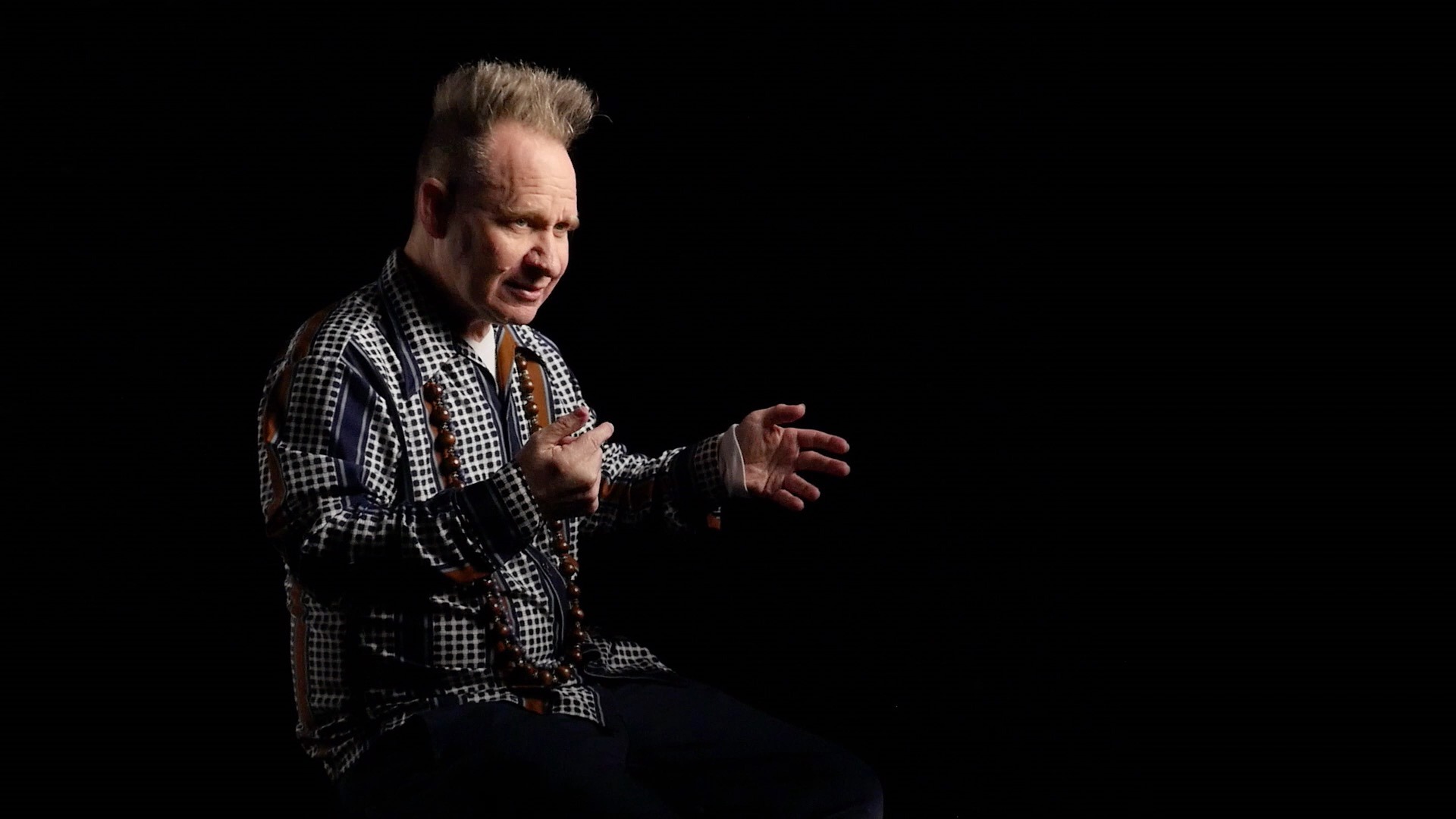
As the novel coronavirus has turned our lives upside down, and global attention has shifted to the ongoing public health crisis, what role—if any—can the arts play at this time?

Judging by the number of articles and blog posts recommending things to read, watch, and listen to, many are seeking out art as a source of solace and meaning during these critical times as we stay at home and maintain physical distance.
For theater director Peter Sellars, "the arts are right in the heart of a response to crisis. The arts are always there at the flashpoint.”
By turning to literature, music, or performance, one realizes that “somebody else has thought this and been through this... and because we're not alone, we have to act towards each other with a certain level of understanding and generosity and imagination.”
Sellars is a MacArthur Fellow and distinguished professor in UCLA's Department of World Arts and Cultures/Dance, where he has taught since 1988. He spoke to UCLA Arts’ podcast “Works In Progress” about how the arts can bring us together and help us make the most of this time.
The interview occurred soon after UCLA moved all coursework to remote learning, and just the day after the city and county of Los Angeles and the state of California adopted more stringent policies to combat COVID-19.
The global effort to slow the pandemic is, Sellars says, “a real dress rehearsal for a concerted global response to the climate emergency.” The level of cooperation seen between nations and across the aisle in Congress is a reminder that “we all have a common purpose.”
But COVID-19 also offers an opportunity for introspection. Rather than escaping the moment through distractions, Sellars says, we should seize the chance to do no less than “reinvent civilization” in a way that’s harmonious with the environment.
While scientists and business leaders offer solutions, Sellars says it’s up to “cultural thinkers and doers to really step forward and to create working examples of new sets of relationships, new types of shared and collaborative projects, and new ways of making a different kind of footprint on the earth.”

The Los Angeles Master Chorale, and conductor Grant Gershon perform Lagrime di San Pietro, directed by Peter Sellars. Photograph: Tom Howard/Guardian
The response to the pandemic has also brought up issues of economic and social inequity; of who has access to testing and treatment for COVID-19, of which industries are getting preferential treatment, and which are considered “essential.”
Such themes are at the heart of Sellars’ work. His operas and plays are often described as controversial and edgy, and deliver moral and social commentary in unexpected ways. He stages classic operas like The Marriage of Figaro and Don Giovanni, but presents them in radically different settings: a diner on Cape Cod, a luxury apartment in New York City's Trump Tower, a blaxploitation movie in Spanish Harlem, and even outer space.
COVID-19 has stalled live performances with audiences present in the room. While "there's nothing more amazing than... people in one room sharing the actual space and sharing each other's breath,” Sellars is optimistic that theater and opera can adapt and create new strategies under these constraints.
"Basically, that is the definition of art: creativity based on limitation. It's not an accident that most of the greatest art comes from the most painful periods in human history when people really had to face difficulty and scarcity. The urgent questions simply became way more urgent. And I think we're there."
Story by Avishay Artsy
Stay engaged. Use #UCLAarts to stay connected.


