Ann Philbin and the art of the provocative are thriving at the Hammer Museum
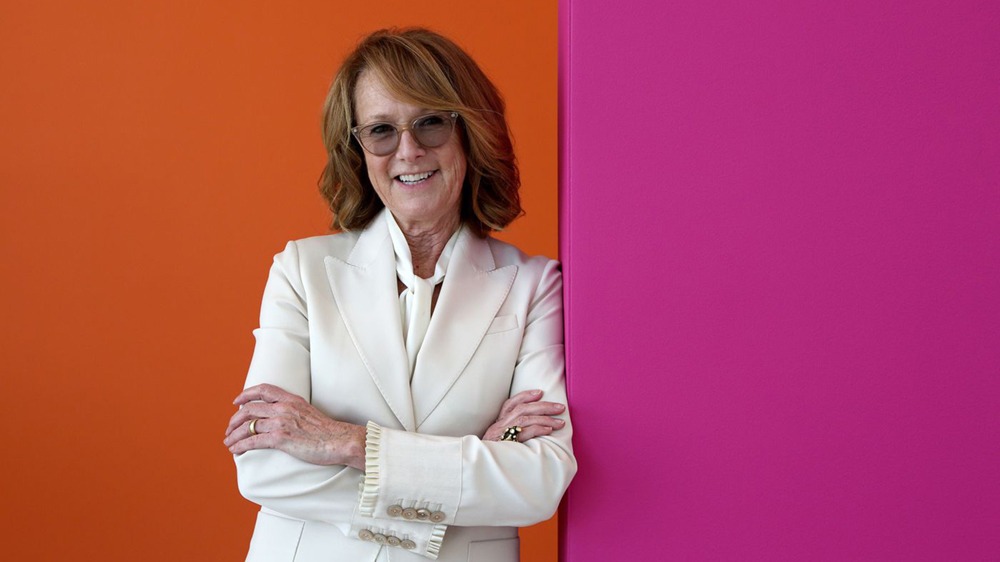
Ann Philbin has been director of the Hammer Museum at UCLA since 1999 and has developed a strong and original institutional identity and built a national and international reputation for thematic contemporary exhibitions, scholarly historical exhibitions, and contemporary artists’ projects. During her tenure the Hammer has formed a Hammer Contemporary Collection which now holds over 2,000 artworks. In addition, Philbin has overseen substantial renovations to the museum’s building, including the completion of the 300-seat Billy Wilder Theater and museum café. With Philbin’s direction, the museum instituted the internationally acclaimed Hammer Projects, a series of more than one hundred contemporary exhibitions and installations featuring local, national, and international emerging artists. Philbin also created a series of dynamic public programs which are core to the Hammer’s identity and regularly feature many of the most influential authors, artists, and creative thinkers of our time. The Hammer Museum is one of three public arts institutions of the School of the Arts and Architecture at UCLA.
Ann Philbin in 1998 at the Drawing Center gallery space in Soho when when she was director of the Drawing Center. (Claire Holt / For the Times) "In the 1980s, when the art world was struggling to distill the pain and loss of the AIDS epidemic, Ann Philbin, a young curator with an avant-garde eye and an activist’s edge, walked into a New York gallery and came upon a simple and searing work: A white, scoured sink by sculptor Robert Gober.
“It took my breath away,” said Philbin, who watched many friends die of a disease that swept through the East Village and inspired gay artists like Gober to respond. “I thought, ‘Oh, my God, I have no idea what it means, but for me that sink had all the beauty and pathos of what we were living through in that moment, and what we were living through was horrifying.’”
That reckoning spoke not only to Philbin’s aesthetic but to a provocative instinct that art should define its era, challenge its politics and resonate with a truth that can startle and illuminate. Her 19 years as director of the UCLA Hammer Museumhave personified that credo, turning the institution into one of nation’s most enticing and risk-taking ventures, exhibiting not only contemporary and conceptual art, but holding hundreds of programs a year on topics including racism, civil disobedience, feminism, clean energy and talking sex with Dita Von Teese.
“When I came here,” said Philbin, who left the Drawing Center in New York to move to the Hammer, “L.A. was considered not at all an interesting city for art. But in these two decades, it has become the red hot center, arguably in the world. Artists are moving here from Berlin, South America, a lot from Europe. The environment here is not about making money, it’s about making art.”
Trim and mercurial, Philbin, who once clashed with billionaire Eli Broad over funding and turned away potential board members who didn’t share her progressive inclinations, runs on self-assurance and charm. She looks right at you, as if perhaps you’re a painting or video installation to be politely scrutinized, and then, if all goes well, conspired with. She is at ease in the penthouses of donors and the cluttered studio apartments of unknown artists, looking for that revelatory find that will celebrate Los Angeles’ ascension.
The Hammer’s current ‘Made in L.A. 2018’ biennial exhibition features 33 artists from ethnicities that reflect the city’s diversity. It is a signature show that, like many at the institution, highlights new and under-recognized local artists. Throughout her career, Philbin, who started out as a painter, has focused on artists ahead of boards of directors, donors, collectors, the public and other complicated whims and egos that are at once a distraction and necessity for an institution to thrive."— Jeffrey Fleishman, Jun. 15, 2018


This post is an excerpt, read the full article on the Los Angeles Times website.
Read more about the Hammer Museum at UCLA.
Stay engaged. Use #UCLAarts to stay connected.


