A protected right? Free speech and social media
 |
 |
|
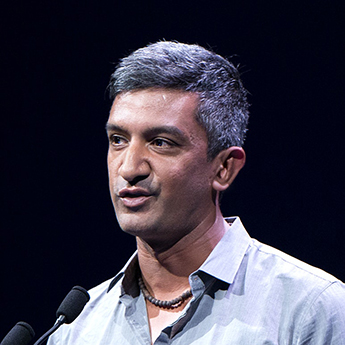
Ramesh Srinivasan
|
|
"A decade ago this very month, in Cairo's Tahrir Square, social media was being praised. Its role as an organizing tool during the pro-democracy rallies had many calling the Arab Spring the "Facebook Revolution" instead.
But for all its glowing promise, we quickly learned social media is only as good as how it's used.
"The major difference between now and then is, more than ever before, our experiences on social media are determined by hidden decisions made by the social media companies themselves," said Ramesh Srinivasan, who was in Tahrir Square back then researching how Twitter and Facebook were giving voice to the voiceless.
"It used to be something more of an open pipe," he said.
Srinivasan is now an author, and a professor at UCLA's Department of Information Studies. "What we are seeing when we go online is likely to be that which is most sensational or inflammatory. They're predicting whatever is most likely to grab people's attention."
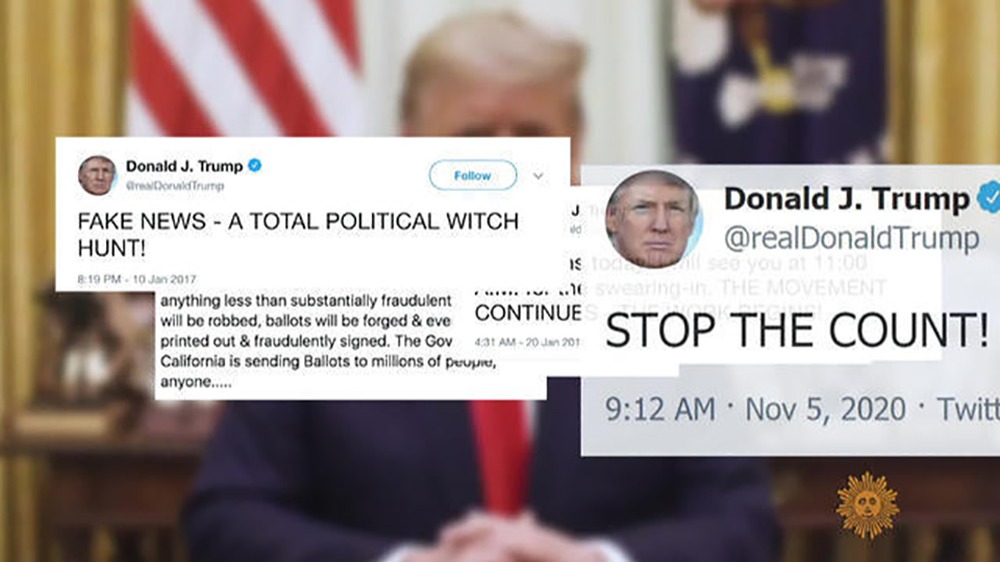
Keeping us engaged on social media is how Big Tech makes money, and the past four years have proven lies and conspiracy theories are unfortunately more engaging that the truth.
"And the danger in that is, what?" asked correspondent Lee Cowan.
"The danger is it's gonna present us with an extremely distorted view of reality," Srinivasan replied. "The fringe becomes the new normal."—Story produced by John Goodwin. Editor: Ben McCormick. Jan. 17, 2021

This post is an excerpt. Read the full article on the CBS News website.
Read more about Ramesh Srinivasan.
Stay engaged. Use #UCLAarts to stay connected.


