A HIGH FLYING ARTIST NEVER FORGOT THE PEOPLE WORKING THE LAND
Among José Montoya’s Abundant Creative Output Are Thousands of Sketches Documenting Chicano Life
Zócalo Public Square covers the Fowler Museum's José Montoya: Abundant Harvest exhibition, and shows how "Montoya helped to establish art as a crucial part of the Chicano civil rights movement."
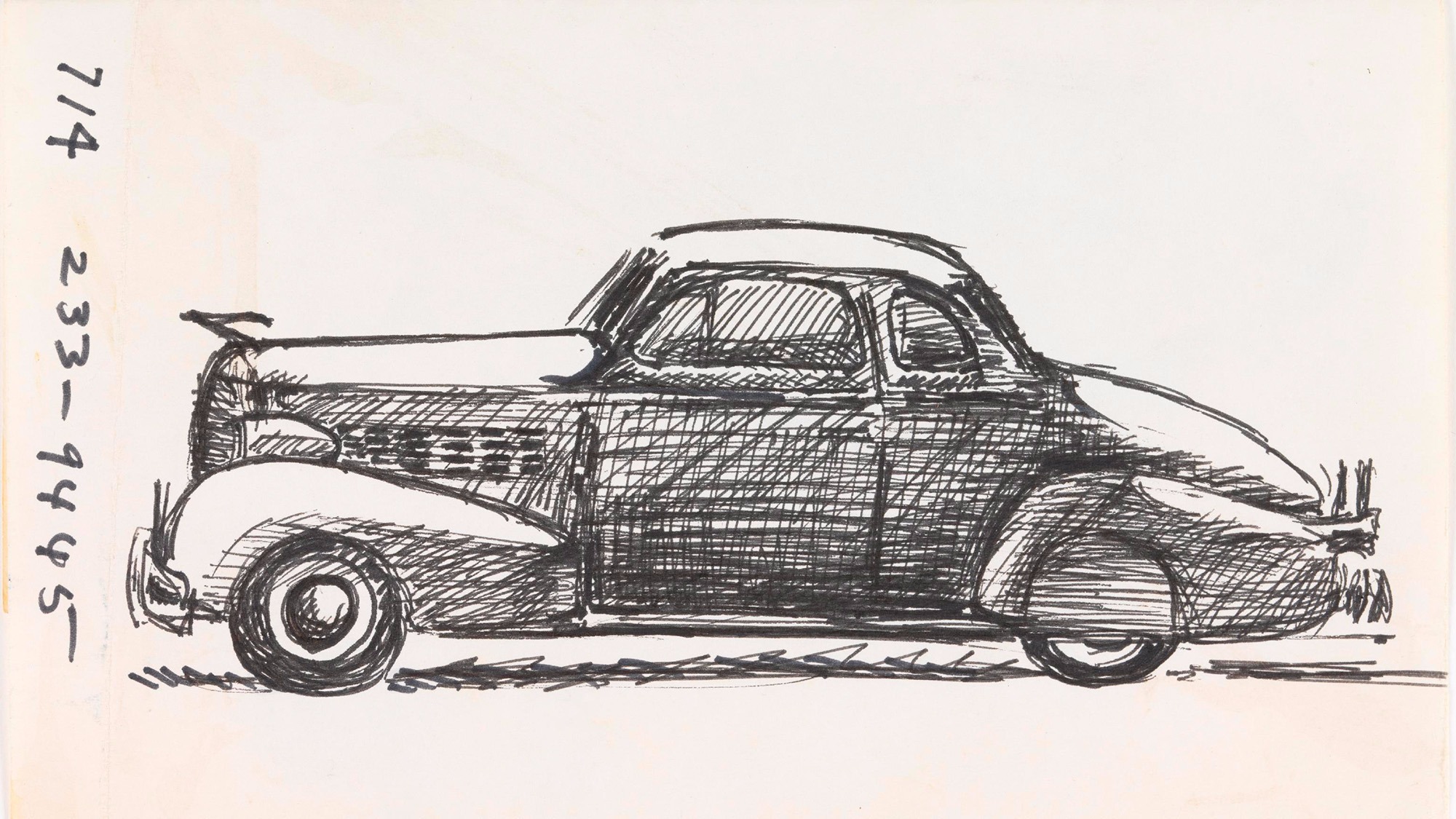
"When Richard Montoya started organizing an exhibition of his father’s art, he was astonished at the sheer number of sketches he found. He and his co-curator, Selene Preciado, eventually chose 1,278 out of 5,000. “When did he do all these drawings?” Montoya wondered.
José Montoya led a full life as a writer, a teacher, a musician, an activist, and a fine artist who worked in painting and sculpture as well as drawing. Born in New Mexico in 1932, his family moved in the 1940s to the San Joaquin Valley, where he picked grapes from the age of nine. After high school he joined the U.S. Navy and fought in the Korean War, then used the GI Bill to study art. He taught at a high school and later, after another degree, at California State University, Sacramento, where he became full professor.
Montoya helped to establish art as a crucial part of the Chicano civil rights movement. With several others, he founded an artists’ collective that created posters, flags, and images for the United Farm Workers. They showed up at rallies and picket lines with silk-screening equipment, got a band together to play various events, and painted murals in Sacramento and elsewhere. They also started a breakfast program for low-income students. At CSU he organized student-teachers to travel to remote communities and teach art."— Zócalo Public Square, July 1, 2016

Read the full article at the Zócalo Public Square website.